
Tips To Prevent Ice From Melting In Coolers
Quick answer
- Pre-chill everything. Your cooler, your drinks, your food. Get it all cold before it goes in.
- Use block ice. It lasts way longer than cubed ice.
- Pack it tight. Fill all the air gaps. Less air means less melting.
- Keep the lid shut. Every time you open it, you let the cold out and the warm in.
- Drain water sparingly. Only drain if it’s absolutely necessary and the ice is floating.
- Cover your cooler. Shade keeps the outside from heating up.
- Consider a second cooler. One for drinks, one for food. Less opening of the food cooler.
What to check first (do this before you drive out)
Before you even think about packing the cooler, do a quick gear check. This is all about setting yourself up for success.
- Land manager / legality: Who owns the land you’re heading to? Is it National Forest, BLM, State Park, or private? This matters for rules, especially fire bans. Check the agency’s website. It’s usually pretty straightforward, but good to know. I learned that the hard way once with a campfire.
- Access/road conditions: How are the roads looking? Are you rolling in a Subaru or a lifted beast? Some forest roads get rough, especially after rain. Check recent reports if you can. Mud, snow, or washouts can ruin a trip before it starts.
- Fire restrictions + weather + wind: This is a big one. Are campfires allowed? What about charcoal? Weather forecasts are crucial too. High winds can whip a campfire into something nasty, and extreme heat will melt your ice faster than you can say “cold beer.”
- Water plan + waste plan (Leave No Trace): How are you getting potable water? Bring enough, or have a reliable filter/purifier. And what about trash? Pack it in, pack it out. No exceptions. Leave your spot cleaner than you found it. That’s the golden rule.
- Safety (wildlife, distance to help, comms): Know the local wildlife. Bears? Coyotes? How do you store food safely? Also, how far are you from the nearest ranger station or town? Cell service is often spotty in the backcountry. Consider a satellite communicator if you’re going deep.
Step-by-step (field workflow)
Here’s how to get your cooler dialed in for maximum ice retention. It’s not rocket science, but these steps make a difference.
1. Pre-chill your cooler:
- What to do: Bring your cooler inside the house a day or two before your trip. Let it shed that “garage cold” and get up to room temperature. Then, pack it with ice packs or sacrificial ice the night before.
- What “good” looks like: The inside walls of the cooler feel cool to the touch before you add your actual trip ice.
- Common mistake: Throwing warm drinks and food into a warm cooler. This is like trying to cool down a hot oven with a single ice cube. Avoid it by giving your cooler a head start.
2. Chill your contents:
- What to do: Make sure all food and drinks are thoroughly chilled in your refrigerator before packing.
- What “good” looks like: Your beverages are already cold, and your food items are fridge-cold.
- Common mistake: Packing room-temperature items. They’ll just soak up the cold from your ice, making it melt faster. Plan ahead and chill everything.
3. Use block ice:
- What to do: Buy or make large blocks of ice. These melt much slower than smaller cubes.
- What “good” looks like: You have at least one large block filling a good portion of your cooler.
- Common mistake: Relying solely on small ice cubes. They have more surface area and melt quickly. Mix block ice with cubes for best results.
4. Layer your ice:
- What to do: Place a layer of block ice at the bottom. Then add your chilled items. Top with more ice (block or cubed).
- What “good” looks like: Ice is in contact with the cooler walls and the contents, creating a cold barrier.
- Common mistake: Burying all the ice on top. This leaves the bottom and sides of your cooler warm. Distribute it evenly.
5. Pack it tight:
- What to do: Fill any empty space in the cooler with more ice, towels, or crumpled newspaper.
- What “good” looks like: There are no significant air pockets. The contents are snug.
- Common mistake: Leaving air gaps. Air is an insulator, but it also circulates and carries warmth. Fill those voids.
6. Minimize lid openings:
- What to do: Plan your meals and snacks so you only open the cooler when absolutely necessary. Consider a separate cooler for drinks, which are opened more frequently.
- What “good” looks like: You can grab what you need quickly and close the lid promptly.
- Common mistake: Leaving the lid open while you rummage for something. Every second counts.
7. Keep it in the shade:
- What to do: Place your cooler in the coolest spot available, ideally under a tarp, tree, or in your vehicle.
- What “good” looks like: The cooler’s exterior is not directly exposed to the sun.
- Common mistake: Leaving the cooler in direct sunlight. It acts like an oven and heats up the ice rapidly.
8. Drain meltwater strategically:
- What to do: If your ice is melting and the water level is rising significantly, drain some of it. However, don’t drain it all if the ice is still floating and keeping things cold. The cold water is still doing its job.
- What “good” looks like: You’ve removed excess water to prevent sogginess but left enough ice to maintain temperature.
- Common mistake: Draining all the meltwater immediately. The cold water actually helps insulate the remaining ice.
A reliable cooler drain plug is essential for strategically managing meltwater without losing all your cold. Make sure yours is in good working order.

9. Consider a cooler with better insulation:
- What to do: If ice retention is a major concern for longer trips, invest in a high-performance cooler.
- What “good” looks like: Your cooler holds ice for multiple days, even in warm weather.
- Common mistake: Using a cheap cooler for extended trips. They simply aren’t built for long-haul cold retention.
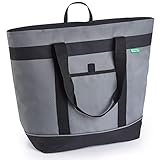
If you’re serious about ice retention for longer trips, consider investing in a high-performance insulated cooler. These coolers are designed to keep your contents cold for days.
10. Add more ice mid-trip if needed:
- What to do: For multi-day trips, plan to replenish your ice supply if possible.
- What “good” looks like: You can add fresh ice to maintain optimal temperatures throughout your outing.
- Common mistake: Not planning for ice replenishment. Expecting ice to last forever is a recipe for warm drinks and spoiled food.
Common mistakes (and what happens if you ignore them)
| Mistake | What it causes | Fix |
|---|---|---|
| Packing warm items into a cold cooler | Rapid ice melt, lukewarm food and drinks | Pre-chill everything. |
| Leaving the cooler lid open | Heat enters, cold escapes, ice melts faster | Minimize openings, grab and close quickly. |
| Not filling empty space | Air circulates, accelerating ice melt | Fill gaps with towels, newspaper, or extra ice. |
| Relying only on cubed ice | Cubes melt quickly due to large surface area | Use block ice as the base and for longer-term cooling. |
| Storing cooler in direct sunlight | Cooler exterior heats up, transferring heat to ice | Keep cooler in shade, under cover, or inside a vehicle. |
| Draining all meltwater immediately | Cold water helps insulate remaining ice | Drain only when necessary, leave some cold water if ice is still floating. |
| Using a cheap cooler for long trips | Poor insulation leads to quick ice melt | Invest in a high-performance cooler for extended use. |
| Not planning for ice replenishment | Ice runs out, contents warm up | Factor in ice purchases or re-icing opportunities. |
| Overpacking a cooler | Can damage the lid seal, making it less effective | Pack snugly but don’t force the lid shut. |
| Not pre-chilling the cooler itself | Cooler absorbs ambient heat, melting ice faster | Bring the cooler inside and let it cool down before packing. |
Decision rules (simple if/then)
- If your trip is longer than two days, then use block ice because it melts significantly slower than cubed ice.
- If you’re camping in hot weather, then double-check your ice supply and plan to add more if needed because heat accelerates melting.
- If you have a separate cooler for drinks, then keep it closed as much as possible because drinks are opened more frequently, and this conserves ice.
- If you see condensation on the outside of your cooler, then it’s likely not as efficient as it could be, and ice is probably melting faster.
- If you are car camping, then you have more options for ice replenishment than backpacking, so plan accordingly.
- If you are using a soft-sided cooler, then expect shorter ice retention times compared to a hard-sided, high-performance cooler.
- If you are going to be away from a reliable water source, then bring all the water you’ll need, including for rinsing and cleaning, because you don’t want to use precious ice-cold water for non-essential tasks.
- If your cooler is full of air gaps, then you’re losing precious cold, so fill those voids.
- If you are packing raw meat, then ensure it is double-bagged to prevent leaks and cross-contamination as it thaws and melts.
- If you can’t keep your cooler in the shade, then at least cover it with a blanket or tarp to provide some insulation from direct sun.
- If you are opening the cooler frequently, then consider a smaller, dedicated cooler for frequently accessed items.
FAQ
How long can I expect ice to last in a cooler?
This varies wildly. A cheap cooler might only keep ice for a day in warm weather, while a high-end cooler can keep ice for 5-7 days under optimal conditions. Pre-chilling and packing density are key.
Is it better to use ice packs or real ice?
Block ice generally lasts longer than cubed ice. Ice packs are convenient and reusable, but they often don’t have the same cooling power as a large block of ice for extended trips. A good strategy is a mix of block ice and reusable packs.
For convenience and reusability, a good set of reusable ice packs can be a great addition to your cooler setup, especially when combined with block ice.

Should I drain the water from my cooler?
Only drain it if the water level is high enough to submerge your food or if the ice is completely gone. The cold meltwater actually helps insulate the remaining ice. Don’t drain it all immediately.
Does the color of the cooler matter?
Yes, lighter colors reflect more sunlight and heat than darker colors, helping to keep the cooler’s exterior cooler. A white or light-colored cooler is generally better for ice retention.
How much ice do I need for a weekend trip?
A good rule of thumb is 1-2 pounds of ice per gallon of cooler capacity for a weekend trip. For longer trips or hotter weather, you’ll need more. It’s always better to have a little extra.
Can I put dry ice in my cooler?
Yes, but be careful. Dry ice is extremely cold and can freeze your food if placed directly on it. Always wrap dry ice in newspaper or cardboard and never seal a cooler with dry ice completely shut, as the sublimation creates gas pressure.
What’s the best way to pack a cooler with different types of food?
Keep raw meats at the bottom, ideally in sealed containers or bags, to prevent any potential leaks from contaminating other foods. Place items you’ll need first on top.
How does the temperature outside affect my cooler?
Significantly. High ambient temperatures will cause your ice to melt much faster. Keeping the cooler in the shade and out of direct sunlight is one of the most effective ways to extend ice life.
What this page does NOT cover (and where to go next)
- Specific cooler models and their performance ratings. (Look for reviews and comparisons.)
- Advanced techniques like vacuum-sealing food for extended storage. (Research food preservation methods.)
- Detailed recipes for camping meals. (Explore camping cookbooks or blogs.)
- The physics of heat transfer and thermodynamics. (Consult science resources.)
- How to build a custom insulated ice chest. (Search DIY forums and woodworking sites.)