
Tips for Keeping Ice Cubes From Melting Quickly
Quick answer
- Use a quality cooler with good insulation.
- Pre-chill your cooler and its contents.
- Pack it full; air is the enemy.
- Use block ice or frozen water bottles.
- Keep it closed as much as possible.
- Store it in the shade.
- Consider a cooler with a drain plug to remove meltwater.
What to check first (do this before you drive out)
Before you even think about packing that cooler, there are a few crucial checks to make. Getting this right saves you a whole lot of hassle and keeps your drinks frosty.
- Land manager / legality: Who actually manages the area where you’re camping? Is it National Forest, BLM, a State Park, or private land? Different agencies have different rules about campfires, dispersed camping, and even what you can bring. Always check the official website for the specific land management agency. Ignorance isn’t a great excuse out there.
- Access/road conditions: Can your rig actually get to your campsite? Some forest service roads are gnarly. Check recent reports if you can. If you’re in a 2WD sedan, a “scenic route” might be a muddy trap. Know your vehicle’s limits and the road’s reputation.
- Fire restrictions + weather + wind: This is huge. Fire bans can pop up with zero notice, especially in dry seasons. Always check the local fire danger level. Also, peek at the weather forecast. Extreme heat melts ice faster, and strong winds can make things miserable and dry out your site.
- Water plan + waste plan (Leave No Trace): Where will you get potable water? Bring enough, or know where to safely filter/treat it. And what about waste? Pack it in, pack it out. That includes food scraps, wrappers, and anything else you brought. Leave No Trace principles are non-negotiable.
- Safety (wildlife, distance to help, comms): What kind of critters are in the area? Know how to store food properly to avoid unwanted visitors. How far is the nearest town or ranger station? Cell service is often a no-go. Let someone know your itinerary and expected return time.
Step-by-step (field workflow)
Alright, let’s get that cooler dialed in for maximum chill. This isn’t rocket science, but doing it right makes a difference.
1. Choose the right cooler: Grab a cooler known for good insulation.
- Good looks like: A sturdy cooler with thick walls and a well-fitting lid.
- Common mistake: Grabbing the cheap, thin-walled one. It’ll be warm before lunch. Avoid it.
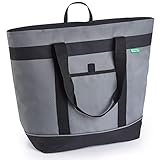
For optimal ice retention, consider investing in a high-quality insulated cooler. A good cooler with thick walls and a well-fitting lid makes a significant difference.
2. Pre-chill the cooler: Bring it inside, toss in some ice packs or sacrificial ice for a few hours.
- Good looks like: The inside of the cooler feels cold to the touch.
- Common mistake: Loading warm food into a warm cooler. It’s like giving your ice a head start on melting.
To pre-chill your cooler effectively, toss in some reusable ice packs a few hours before packing. This helps bring down the internal temperature, giving your ice a head start.

3. Pre-chill your food and drinks: Keep everything in your fridge until the last possible moment.
- Good looks like: Your beverages are frosty and your food is cold from the get-go.
- Common mistake: Packing room-temperature items. You’re essentially using your ice to cool them down instead of keeping them cold.
4. Use block ice or frozen water bottles: These melt slower than cubed ice.
- Good looks like: Large, solid blocks or frozen jugs taking up space.
- Common mistake: Relying solely on bagged ice cubes. They surrender their chill way too fast.
For longer-lasting cold, use block ice or frozen water bottles instead of cubes. You can even make your own with an ice block mold for superior performance.

5. Layer your ice: Put a layer of ice on the bottom, then food, then more ice. Top with ice.
- Good looks like: Ice surrounding and covering everything.
- Common mistake: Just dumping ice on top. The bottom stuff gets neglected.
6. Pack it tight: Fill any empty space with more ice, towels, or even crumpled newspaper.
- Good looks like: A solid, unmoving mass when you jostle it.
- Common mistake: Leaving air pockets. Air transfers heat way too easily.
7. Minimize opening: Plan what you need before you open the lid.
- Good looks like: Quick, efficient access. Know where your sandwich is.
- Common mistake: Constantly peeking inside. Every second it’s open, warm air floods in.
8. Keep it in the shade: Direct sun is a cooler’s worst enemy.
- Good looks like: Tucked under a tree, a tarp, or inside your vehicle (if not in use).
- Common mistake: Leaving it out in the blazing sun. It’s basically an oven.
9. Drain meltwater (sometimes): If you’re not using frozen water bottles, drain off meltwater periodically.
- Good looks like: Using the drain plug to let out water without opening the lid much.
- Common mistake: Letting the ice sit in its own meltwater. Warmer water accelerates melting.
If your cooler has a drain plug, use it to periodically remove meltwater. This prevents your ice from sitting in warmer water, which accelerates melting.

10. Use a second cooler for drinks: If you’re really serious, have one cooler for food (opened less) and one for drinks (opened more).
- Good looks like: Two separate, well-packed coolers.
- Common mistake: Cramming everything into one cooler and opening it constantly for a beer.
Common mistakes (and what happens if you ignore them)
| Mistake | What it causes | Fix |
|---|---|---|
| Using a cheap, uninsulated cooler | Ice melts in hours, not days. Food spoils. | Invest in a quality cooler with thick insulation. |
| Not pre-chilling the cooler | Your ice has to work overtime to cool the cooler itself. | Bring the cooler inside, add ice packs or sacrificial ice for several hours before packing. |
| Packing warm food/drinks | Ice melts rapidly as it cools down your groceries. | Ensure all items are thoroughly chilled in the fridge before packing. |
| Leaving air gaps in the cooler | Air is an insulator, but it’s also a heat conductor. Lots of air = fast melt. | Pack the cooler as full as possible. Use towels, crumpled paper, or extra ice to fill voids. |
| Opening the cooler frequently | Every opening lets warm air in and cold air out. | Plan your needs, grab items quickly, and close the lid immediately. Consider a drink-specific cooler. |
| Leaving the cooler in direct sun | The sun’s rays heat the cooler’s exterior, transferring heat inside. | Keep your cooler in the shade at all times. Under a tree, tarp, or inside a vehicle works. |
| Relying only on cubed ice | Cubes have more surface area and melt much faster than larger blocks. | Use block ice or frozen water bottles as your primary ice source. |
| Not draining meltwater | Ice sitting in meltwater melts faster than ice surrounded by colder ice. | Periodically drain meltwater, especially if not using frozen water bottles. |
| Packing items loosely | Loose items shift, creating air pockets and uneven cooling. | Arrange items snugly. Fill gaps with smaller ice bags or insulating material. |
| Not considering the duration of trip | Underestimating how much ice you’ll need for longer trips. | Pack more ice than you think you’ll need, especially for multi-day excursions. |
Decision rules (simple if/then)
- If your trip is longer than two days, then use block ice because it melts slower than cubes.
- If you’re car camping and have space, then use frozen water bottles because they double as drinking water when they melt.
- If the ambient temperature is above 80°F, then pack extra ice because heat accelerates melting.
- If you’re in bear country, then store your cooler in a bear-resistant container or hang it properly because preventing wildlife encounters is paramount.
- If you plan on opening the cooler frequently for drinks, then consider a separate, smaller cooler for beverages because this minimizes disturbance to your main food cooler.
- If you have a cooler with a drain plug, then use it to periodically remove meltwater because water is warmer than ice and speeds up melting.
- If you’re on a backpacking trip, then skip the ice and use dehydrated food or find a reliable water source for purification because carrying heavy ice is impractical.
- If you can’t keep your cooler in the shade, then cover it with a reflective blanket or tarp because this helps deflect solar radiation.
- If you’re using a very old or cheap cooler, then expect your ice to last less than a day and plan accordingly because its insulation is likely compromised.
- If you’re sharing a campsite, then coordinate ice needs with others to avoid overpacking or underpacking because group planning is efficient.
- If you’re concerned about food safety, then use a thermometer to check the internal temperature of your cooler regularly because below 40°F is the target.
FAQ
How long does ice typically last in a cooler?
It really depends on the cooler quality, how often it’s opened, and the outside temperature. A good cooler in cool weather with minimal opening can last 3-5 days, sometimes longer. A cheap cooler in direct sun might last only a few hours.
Should I put ice directly in my cooler or use bags?
For maximum longevity, block ice or frozen water bottles are best. If you use cubed ice, fill the cooler as much as possible.
What’s the best way to pack a cooler?
Layering is key. Ice on the bottom, then food, then more ice. Keep it packed tight to minimize air space.
Is it okay to leave meltwater in the cooler?
Generally, no. Meltwater is warmer than ice and will cause the remaining ice to melt faster. Drain it periodically if you’re not using frozen water bottles.
How do I keep my cooler cold if I can’t find shade?
If shade isn’t an option, cover your cooler with a reflective blanket or a tarp. This helps bounce sunlight away and reduces heat absorption.
Can I put dry ice in my cooler?
Yes, but be careful. Dry ice is extremely cold and can freeze food solid. It also releases carbon dioxide gas, so ensure good ventilation and don’t seal the cooler completely.
What’s the difference between a “cooler” and a “rotomolded cooler”?
Rotomolded coolers are built using a process that creates a single, seamless piece of thick plastic. This makes them incredibly durable and offers superior insulation, leading to much longer ice retention.
How much ice do I need for a weekend camping trip?
A general rule of thumb is one pound of ice per person per day. For a two-person, two-day trip, that’s about 4 pounds. However, it’s always better to have a little extra, especially in warm weather.
What this page does NOT cover (and where to go next)
- Specific brand reviews of coolers (check outdoor gear sites).
- Detailed recipes for camping meals (look for camp cooking guides).
- Advanced techniques for extreme expeditions (consult expedition planning resources).
- Legal regulations for national parks or specific wilderness areas (always check official park/agency websites).
- How to build a primitive ice chest from natural materials (this is a survival skill, not typical car camping).