
Staying Warm While Tent Camping: Essential Strategies
Quick answer
- Layer up smart. Think base, mid, and outer layers.
- Pick the right sleeping bag and pad. Check the temperature rating.
- Insulate your tent. Use a footprint and maybe a ground cloth.
- Eat and drink right. Warm food and hot drinks are your friends.
- Prevent moisture buildup. Ventilate, vent, vent.
- Use a buddy system. Share body heat.
- Know your gear’s limits. Don’t push it too far.
What to check first (do this before you drive out)
Before you even think about packing, get a lay of the land. This isn’t just about where you’re going, but how you’re going to get there and what the conditions will be.
- Land manager / legality: Who’s in charge of the land? Is it National Forest, BLM, a State Park, or private? Each has its own rules. Some areas might require permits, have specific camping zones, or even prohibit fires. A quick look at the managing agency’s website is your first step. I learned this the hard way once, ending up on private land I didn’t know about. Oops.
- Access/road conditions: Can your rig even make it? Is the road paved, gravel, or just a suggestion? Think about your vehicle’s clearance and if you’ll need 4WD. Heavy rain can turn a simple dirt track into a mud bog. Snow can close roads entirely. Check recent reports if possible.
- Fire restrictions + weather + wind: This is huge for staying warm and safe. Fire bans mean no campfire for heat or cooking. Check the forecast religiously. High winds can make a tent feel like an icebox and are dangerous. Low temperatures are obvious, but don’t forget wind chill.
- Water plan + waste plan (Leave No Trace): Even in the cold, you need water. How will you get it? Will it freeze? How will you melt snow if needed? And where will your waste go? Pack it in, pack it out. Always. This is non-negotiable.
- Safety (wildlife, distance to help, comms): What kind of wildlife is common in the area? Know how to store food properly. How far is the nearest town or ranger station? Cell service is often spotty or non-existent in the backcountry. Let someone know your itinerary and when you expect to be back.
Step-by-step (field workflow)
This is your game plan once you’re at the campsite. It’s about setting yourself up for a comfortable, warm night.
1. Scout your tent spot.
- What to do: Look for a level, sheltered spot. Avoid low-lying areas where cold air settles (frost pockets).
- What “good” looks like: A spot protected from the wind, ideally with some natural cover like trees or a rock face. The ground should be relatively flat.
- Common mistake: Pitching your tent in a hollow or exposed area.
- How to avoid it: Walk around, feel the wind, look for natural windbreaks.
2. Lay down your footprint/ground cloth.
- What to do: Spread out a durable tarp or footprint under your tent.
- What “good” looks like: The footprint is slightly smaller than your tent floor, so it doesn’t collect rain or snow. It adds a layer of insulation and protection.
- Common mistake: Letting the footprint extend beyond the tent walls.
- How to avoid it: Fold or trim the edges so it stays tucked under the tent.
A good tent footprint tarp like this one is essential for adding an extra layer of insulation and protection from the cold, damp ground.

3. Pitch your tent.
- What to do: Set up your tent securely, staking it down well.
- What “good” looks like: The tent is taut, with no sagging fabric. All guy lines are attached and tensioned.
- Common mistake: Not staking down the tent properly or using all the guy lines.
- How to avoid it: Use every stake and guy line, especially if wind is a factor.
4. Set up your sleeping area.
- What to do: Place your sleeping pad and sleeping bag inside the tent.
- What “good” looks like: The sleeping pad is fully inflated and provides good insulation from the ground. The sleeping bag is unrolled and fluffed up.
- Common mistake: Not fully inflating the sleeping pad or leaving the sleeping bag compressed.
- How to avoid it: Take the time to inflate your pad properly. Let your bag loft up before bedtime.
5. Ventilate the tent.
- What to do: Open tent vents or slightly unzip a door flap.
- What “good” looks like: Air can circulate, preventing condensation buildup. You won’t see fogging inside the tent.
- Common mistake: Sealing your tent up tight to keep heat in.
- How to avoid it: Remember that body heat and breathing create moisture. Ventilation is key to staying dry, and dry equals warm.
6. Prepare your warm drinks/food.
- What to do: Make a hot beverage or a warm meal before it gets too cold.
- What “good” looks like: You’re sipping something warm or enjoying a hearty meal. Your body temperature starts to rise.
- Common mistake: Waiting until you’re already freezing to try and make a hot drink.
- How to avoid it: Do this early in the evening while it’s still somewhat light and you have energy.
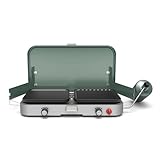
To easily prepare those warm drinks and meals, consider a reliable camping stove. It’s a game-changer for staying warm and energized.
7. Get dressed for bed.
- What to do: Change into clean, dry base layers. Add a warm hat and socks.
- What “good” looks like: You’re wearing insulating layers that wick moisture. Your extremities are covered.
- Common mistake: Sleeping in the same clothes you hiked in all day.
- How to avoid it: Fresh, dry clothes make a huge difference. Don’t wear cotton for sleep layers.
8. Warm up your sleeping bag (optional but effective).
- What to do: Use a Nalgene bottle filled with hot (not boiling) water, sealed tightly, and placed in your sleeping bag. Or, use a hot water bottle.
- What “good” looks like: Your sleeping bag is pre-warmed, making it more inviting when you get in.
- Common mistake: Not having a way to pre-warm your bag.
- How to avoid it: A simple Nalgene bottle is a game-changer.
9. Get in your sleeping bag.
- What to do: Zip up your sleeping bag completely.
- What “good” looks like: You’re snug and the bag is trapping your body heat.
- Common mistake: Leaving the sleeping bag unzipped or not pulling the hood tight.
- How to avoid it: Use the drawcords to seal in warmth.
10. Stay hydrated and fueled.
- What to do: Sip water throughout the evening and before bed. Have a high-calorie snack.
- What “good” looks like: You feel good, not dehydrated or hungry.
- Common mistake: Not drinking enough water because it’s cold.
- How to avoid it: Your body still needs fluids. Keep a water bottle handy.
Common mistakes (and what happens if you ignore them)
| Mistake | What it causes | Fix |
|---|---|---|
| Sleeping in cotton | Moisture retention, feeling cold and clammy | Wear synthetic or wool base layers and sleepwear. |
| Not insulating from the ground | Heat loss to the cold earth | Use a quality sleeping pad with a good R-value. |
| Over-insulating (too many layers) | Sweating, then getting cold when you stop moving | Layer smart, adjust layers as needed, ventilate. |
| Not ventilating the tent | Condensation buildup, damp gear, feeling chilled | Open vents, slightly unzip doors, manage airflow. |
| Relying solely on body heat | Insufficient warmth when temps drop significantly | Use a sleeping bag rated for the expected temperature. |
| Eating/drinking cold food/liquids | Lowering core body temperature | Prepare hot meals and drinks before bed. |
| Pitching in a low-lying area | Cold air settles, making it colder than surroundings | Scout for a higher, sheltered spot. |
| Not letting sleeping bag loft up | Reduced insulation, less effective warmth | Unpack your bag well before you plan to sleep in it. |
| Forgetting a hat/socks for sleeping | Significant heat loss from extremities | Wear a warm hat and dry wool socks to bed. |
| Not letting someone know your plans | Delayed help in an emergency | Share your itinerary and expected return time with a trusted contact. |
Decision rules (simple if/then)
- If the forecast shows below freezing temperatures, then bring a sleeping bag rated at least 10-15 degrees Fahrenheit lower than the lowest expected temperature because you lose heat to the ground and air.
- If the wind is strong, then pitch your tent with the back or lowest profile facing the wind because it reduces wind resistance and makes your shelter more stable.
- If you plan on cooking a hot meal, then do it before you get into your sleeping bag because it warms you up and saves you from having to get out of your cozy spot.
- If you notice condensation forming inside your tent, then open a vent or slightly unzip a door because trapped moisture makes you colder.
- If you’re feeling chilled before bed, then eat a high-calorie snack because your body needs fuel to generate heat.
- If you’re using a non-insulated sleeping pad, then consider adding a closed-cell foam pad underneath for extra insulation because ground contact is a major source of heat loss.
- If you’re car camping and have the space, then bring a small, battery-powered fan set to low to circulate air and help reduce condensation because stagnant air traps moisture.
- If you’re in bear country, then store all food, toiletries, and scented items in a bear-resistant container or hang them properly, even if it’s cold, because animals are still active.
- If you’re on a multi-day trip, then change into dry base layers for sleeping because wearing damp clothes will suck the heat right out of you.
- If you feel yourself getting too warm while hiking or setting up camp, then shed a layer before you start sweating because sweat will make you cold later.
- If you have a water bottle that can handle hot liquids, then fill it with hot water before bed and place it in your sleeping bag because it acts like a personal heater.
FAQ
Q: How cold is too cold for tent camping?
A: This depends entirely on your gear and experience. With the right sleeping bag, pad, and layering system, many people are comfortable camping well below freezing. It’s more about preparation than an absolute temperature limit.
Q: What’s the most important piece of gear for staying warm?
A: It’s a tie between your sleeping bag and your sleeping pad. A good sleeping bag keeps you warm, but if you’re losing heat to the ground, it won’t matter. You need both.
Q: Can I use a regular blanket in my tent?
A: Regular blankets, especially cotton ones, are terrible for camping in the cold. They absorb moisture and don’t insulate well when damp. Stick to synthetic or down sleeping bags.
Q: How can I prevent my water from freezing overnight?
A: Keep water bottles inside your sleeping bag. You can also store them upside down in your boots, as they often freeze from the top down. Some people use insulated carriers.
Q: Is it okay to sleep with my head inside my sleeping bag?
A: Generally, no. Your breath creates a lot of moisture. Sleeping with your head inside can lead to a damp bag and you getting colder. Use the hood and a warm hat instead.
Q: How much insulation do I need from my sleeping pad?
A: Look for the R-value. For cold weather (below freezing), aim for an R-value of 4 or higher. For truly frigid conditions, you might want 5 or more, or even stack pads.
Q: Should I eat a lot before bed to stay warm?
A: Eating a good, calorie-rich meal a few hours before bed is beneficial. A small, high-calorie snack right before sleeping can also help. Your body burns calories to generate heat.
Q: What if I get too cold in my sleeping bag?
A: Put on more dry layers (base layers, hat, socks), do some light exercises like jumping jacks to get your blood flowing, or use a hot water bottle. Ensure your sleeping bag is properly zipped and the hood is snug.
What this page does NOT cover (and where to go next)
- Specific campsite recommendations or reservation systems.
- Detailed gear reviews for individual sleeping bags or tents.
- Advanced winter camping techniques like snow shelters or ice fishing.
- Legal regulations for specific parks or wilderness areas.
To get more specific information, check the official websites of the land management agencies (USFS, BLM, NPS, State Parks), consult dedicated outdoor gear retailers, and read books or blogs focused on winter camping and cold-weather survival.

Camping Bob has spent over 20 years camping across the US — from BLM dispersed sites in the Southwest to KOA campgrounds in the Pacific Northwest. He writes practical, no-nonsense guides to help fellow campers get outdoors with confidence.