
Safely Transporting Eggs For Travel
Quick answer
- Use a sturdy, purpose-built egg carrier.
- Pack them snugly to prevent shifting.
- Keep them cool, especially on longer trips.
- Avoid placing heavy items on top of them.
- Inspect them before you pack and after you arrive.
- Consider pre-boiling for extra durability.
What to check first (do this before you drive out)
Before you even think about packing those eggs, let’s cover the essentials. This isn’t rocket science, but a little prep goes a long way to avoid a breakfast disaster.
- Your packing plan & vehicle space: Where are these eggs going to live in your vehicle? Are they going in a cooler? A dedicated bin? Make sure you have a designated, secure spot. You don’t want them rolling around like a rogue billiard ball.
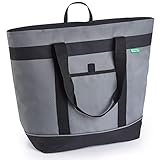
- Cooling strategy: Eggs need to stay cool. If you’re car camping, a good cooler is your best friend. If it’s just a day trip or a short drive, a small insulated bag might do the trick. Think about how long you’ll be on the road and if you’ll have access to ice or ice packs.
If it’s just a day trip or a short drive, a small insulated cooler bag might do the trick to keep your eggs cool.
- Container choice: This is crucial. Are you using the carton they came in? That’s a start, but not ideal for rough travel. A dedicated egg carrier is a game-changer. They’re designed to cradle each egg and prevent them from cracking.
A dedicated egg carrier is a game-changer. Consider investing in a durable portable egg carrier for maximum protection.

- Trip duration & destination: A quick drive to a picnic spot is different from a multi-day road trip to a remote campsite. Longer trips mean more time for things to go wrong. You’ll need a more robust cooling plan and a more secure packing method for extended journeys.
Step-by-step (field workflow)
Here’s how to get those eggs from your kitchen to your campsite without turning them into scrambled souvenirs.
1. Inspect your eggs:
- What to do: Before you even touch them, give each egg a quick once-over. Look for cracks or hairline fractures.
- What “good” looks like: Each egg is intact, with no visible damage.
- Common mistake: Grabbing a carton without checking. You might be packing a dud from the get-go. Avoid this by giving them a visual inspection.
2. Choose your carrier:
- What to do: Select a container that will keep your eggs secure. A plastic egg carrier designed for camping or travel is best. If you don’t have one, a sturdy cardboard carton can work, but you’ll need to reinforce it.
- What “good” looks like: The carrier holds each egg snugly, preventing movement.
- Common mistake: Using a flimsy, original carton. They’re designed for gentle handling, not jostling in transit. Splurge on a proper carrier; it’s worth it.
3. Pack the eggs into the carrier:
- What to do: Carefully place each egg into its designated spot in the carrier. Make sure they are all oriented correctly, usually pointed-end down.
- What “good” looks like: Every egg is seated properly and doesn’t rattle around.
- Common mistake: Forcing an egg into a spot. If it doesn’t fit easily, re-check your carrier or the egg.
4. Reinforce if needed:
- What to do: If using a cardboard carton, you might want to wrap it in a plastic bag or place it inside a larger, rigid container for extra protection. For plastic carriers, ensure the lid latches securely.
- What “good” looks like: The eggs are double-protected and the container is sealed tight.
- Common mistake: Leaving a cardboard carton exposed. It can get crushed or soggy.
5. Pre-chill your eggs (optional but recommended):
- What to do: If you have the time, place your packed eggs in the refrigerator for a few hours before you leave.
- What “good” looks like: The eggs are already cool when they go into your cooler.
- Common mistake: Packing warm eggs into a cooler with ice. This melts the ice faster and doesn’t keep the eggs as cold as they could be.
6. Place eggs in your cooler:
- What to do: Position the egg carrier in your cooler. It’s best to place it in the center, surrounded by other food items and ice packs. Avoid placing them directly on the bottom if it’s prone to collecting water.
- What “good” looks like: The carrier is stable, surrounded by coolant, and not at the very bottom of a potentially wet cooler.
- Common mistake: Sticking them on top of everything else. They’re more likely to get knocked around and aren’t as effectively cooled.
7. Pack the cooler strategically:
- What to do: Fill the rest of your cooler with ice packs or blocks of ice. Pack it full to minimize air space, which helps maintain temperature. Place heavier items below the eggs if they are not in a separate, rigid container.
- What “good” looks like: The cooler is packed tight, with minimal air, and the eggs are protected from crushing.
- Common mistake: Underpacking the cooler. Air is the enemy of cold. Fill it up!
Fill the rest of your cooler with reusable ice packs or blocks of ice. These help maintain temperature and minimize air space.

8. Secure the cooler in your vehicle:
- What to do: Place the cooler in a spot where it won’t slide around during transit. Use a bungee cord or strap if necessary. Avoid placing it where it will be directly exposed to sunlight.
- What “good” looks like: The cooler is stable, out of the sun, and won’t become a projectile on bumpy roads.
- Common mistake: Leaving the cooler loose in the back of a truck or SUV. It can shift and damage its contents, including your precious eggs.
9. Monitor temperature:
- What to do: If on a long trip, check your cooler’s temperature periodically. Add more ice or adjust ice packs as needed.
- What “good” looks like: The inside of the cooler remains consistently cold.
- Common mistake: Forgetting about the cooler until you reach your destination. Ice melts, and temperatures rise.
10. Unpack carefully:
- What to do: When you arrive, remove the egg carrier with care. Inspect the eggs again for any damage that might have occurred during the journey.
- What “good” looks like: The eggs are still intact and ready for your culinary adventures.
- Common mistake: Rushing the unpacking process and dropping the carrier. Patience pays off.
Common mistakes (and what happens if you ignore them)
| Mistake | What it causes | Fix |
|---|---|---|
| Using the original flimsy carton | Cracked eggs, leakage, contamination | Use a dedicated egg carrier or reinforce a cardboard carton. |
| Not checking eggs for cracks before packing | Packing damaged eggs that will break further | Visually inspect each egg for any signs of damage before loading. |
| Packing warm eggs into a cooler | Faster ice melt, less effective cooling | Pre-chill eggs in the fridge before packing them into an already cold cooler. |
| Sticking eggs at the bottom of a wet cooler | Soggy cartons, potential leakage, less stable | Place eggs in a carrier, ideally elevated slightly or surrounded by other items. |
| Underpacking a cooler | Warmer temperatures, faster spoilage | Fill your cooler as much as possible with ice packs, blocks, or even water bottles to minimize air. |
| Leaving the cooler loose in the vehicle | Shifting, damage to eggs, potential spills | Secure the cooler with straps or bungee cords to prevent it from sliding. |
| Packing eggs on top of heavy items | Crushed eggs | Place eggs in a sturdy carrier and position them away from heavy or sharp objects. |
| Exposing the cooler to direct sunlight | Rapid temperature increase, ice melt | Keep your cooler in the shade or cover it with a blanket. |
| Not inspecting eggs upon arrival | Using already damaged eggs, missing potential issues | Do a quick visual check after unpacking to ensure everything is still in good shape. |
| Overfilling the cooler | Difficulty closing lid, potential seal compromise | Pack smart; if it’s too full, you might need a second cooler or leave some items behind. |
Decision rules (simple if/then)
- If your trip is longer than 4 hours, then use a hard-sided egg carrier because it offers the best protection against crushing.
- If you’re going to be without a cooler for more than a few hours, then consider pre-boiling your eggs because they are more durable when cooked.
- If you’re traveling in hot weather (above 70°F), then you absolutely must use a cooler with plenty of ice packs because raw eggs can spoil quickly.
- If your vehicle has a lot of bumps or rough roads, then double-check your egg carrier’s security and consider adding extra padding around it because movement is the enemy.
- If you plan to eat your eggs raw (e.g., in a recipe), then extra care is needed for food safety; ensure they stay consistently cold.
- If you are packing eggs for a short day trip and the weather is cool, then a sturdy carton inside an insulated lunch bag might suffice, but always check.
- If you notice any leakage from the carton upon arrival, then discard those eggs immediately because they may be contaminated.
- If you are using a soft-sided cooler, then be extra cautious about what you place on top of the egg carrier to prevent crushing.
- If you are camping in bear country, then store your eggs (and all food) properly in bear-resistant containers or in your vehicle, and never leave them exposed.
- If you have limited cooler space, then prioritize items that spoil fastest; eggs, while needing coolness, are often less critical than dairy or meat.
FAQ
Q: Can I just use the original carton my eggs came in?
A: It’s better than nothing for a very short trip on smooth roads, but it’s not ideal. The cardboard can get crushed or wet, and the eggs can shift. A dedicated carrier is much safer.
Q: How long do raw eggs last when transported?
A: Properly chilled and protected, raw eggs can last for several weeks. The key is consistent cold temperatures (below 40°F) and avoiding temperature fluctuations.
Q: What’s the best way to keep eggs cold in a cooler?
A: Use a combination of ice packs and blocks of ice. Pack the cooler tightly to minimize air space, and place the egg carrier in the center, surrounded by ice.
Q: Should I wash my eggs before packing them?
A: No, don’t wash them. The natural bloom on the eggshell helps protect it. Washing can remove this protection and potentially introduce bacteria.
Q: What if I crack an egg during transport?
A: If it’s a minor crack and doesn’t leak, it’s probably still usable if cooked immediately. If it leaks or is significantly damaged, it’s best to discard it to prevent contamination.
Q: Is it safe to eat eggs that have been in a cooler that lost its ice?
A: If the cooler has been above 40°F for more than two hours, it’s safest to discard the eggs. This is especially true for raw eggs.
Q: Can I freeze eggs for travel?
A: You can freeze eggs, but you need to crack them first and whisk them. Frozen whole eggs in their shells will crack. It’s a good option for long-term storage if you’re not planning to use them immediately.
Q: What kind of container is best for transporting eggs?
A: A hard-sided plastic egg carrier designed for travel is the most secure. They usually have individual slots that cradle each egg.
What this page does NOT cover (and where to go next)
- Detailed food safety guidelines for specific temperature thresholds. (Check CDC or FDA resources for official guidance.)
- Recipes for cooking eggs at your campsite. (Explore camping cookbooks or online recipe sites.)
- Advanced cooler packing techniques for multi-week expeditions. (Look into specialized outdoor gear guides.)
- Regulations regarding transporting eggs across state lines or international borders. (Consult official government travel advisories.)
- Specific types of coolers and their insulation ratings. (Research outdoor gear reviews.)