
Removing Mold and Mildew From Canvas Items
Quick answer
- Inspect your canvas item for mold and mildew.
- Choose a mild cleaning solution, like diluted vinegar or specialized canvas cleaner.
- Test your solution on an inconspicuous spot first.
- Gently scrub the affected area with a soft brush.
- Rinse thoroughly with clean water.
- Allow the canvas to air dry completely in a well-ventilated area, preferably in the sun.
- For stubborn stains, repeat the process or consider professional cleaning.
What to check first (do this before you drive out)
Before you even think about scrubbing, let’s get a few things straight. This isn’t about getting your tent spotless for Instagram; it’s about making sure your gear is functional and safe.
- Land manager / legality: Who owns this patch of dirt? Is it National Forest, BLM land, a State Park, or private property? Each has its own rules. Ignorance isn’t an excuse, and fines are a buzzkill. Always check the managing agency’s website or contact them directly.
- Access/road conditions: Can your rig actually get there? A Subaru might be fine for a gravel road, but a low-clearance SUV will be crying for mercy on anything rougher. Mud, snow, and water crossings are real. Know your vehicle’s limits and the road’s. Don’t be that person who needs a tow out.
- Fire restrictions + weather + wind: Is it dry enough to start a wildfire with a stray spark? Fire bans are no joke. Check the current restrictions. Also, what’s the weather forecast? High winds can make setting up camp a nightmare, and rain can turn your trip into a soggy mess.
- Water plan + waste plan (Leave No Trace): Where’s your water coming from, and how will you treat it? Don’t assume a stream is potable. And what about your waste? Pack it in, pack it out. This includes human waste. Know the LNT principles for the area.
- Safety (wildlife, distance to help, comms): Are there bears? Mountain lions? What do you do if you see one? Know the local wildlife and how to store food properly. How far is the nearest ranger station or town? Cell service is often spotty, so have a backup plan for emergencies.
Step-by-step (field workflow)
Alright, let’s get down to business. You’ve got some canvas gear that’s seen better days, and it’s not just dirt. This is for those stubborn mold and mildew spots.
1. Inspect the damage:
- What to do: Lay your canvas item out flat in good light. Look closely for fuzzy spots, discoloration (black, green, or gray), and any musty odors.
- What “good” looks like: You can clearly see the extent of the mold and mildew problem.
- Common mistake: Rushing this step and missing small patches. This means you’ll have to do it all over again later.
2. Move to a suitable location:
- What to do: Find an outdoor area with good ventilation, preferably in direct sunlight. A driveway, a sturdy picnic table, or even a clean patch of lawn works. Avoid doing this indoors where mold spores can spread.
- What “good” looks like: A clean, well-lit, and airy space where you can work without making a mess inside your home.
- Common mistake: Trying to clean a moldy tent inside your garage. You’ll just end up with a moldy garage and a moldy tent.
3. Choose your cleaning solution:
- What to do: For light mold, a mixture of equal parts white vinegar and water is often effective. For tougher spots, you can use a specialized canvas cleaner or a very mild soap. Avoid harsh chemicals like bleach, as they can damage the canvas fibers and waterproofing.
- What “good” looks like: You have a mild, effective cleaning agent ready to go.
- Common mistake: Grabbing the strongest bleach you can find. It’ll kill the mold, sure, but it’ll also likely ruin your gear.
4. Test the solution:
- What to do: Apply a small amount of your chosen cleaner to an inconspicuous area of the canvas (like a seam or hem). Let it sit for a few minutes, then rinse and let it dry.
- What “good” looks like: The test spot shows no discoloration, damage, or adverse reaction from the canvas.
- Common mistake: Skipping this and finding out the cleaner fades your entire tent after you’ve cleaned the whole thing.
5. Apply the solution and scrub gently:
- What to do: Dampen the affected areas with your cleaning solution. Use a soft-bristled brush (an old toothbrush or a dedicated scrub brush) to gently work the solution into the moldy spots. Don’t scrub aggressively.
- What “good” looks like: You’re lifting the mold and mildew without damaging the canvas threads.
- Common mistake: Using a stiff wire brush. This will shred your canvas faster than a badger on a hot rock.
6. Rinse thoroughly:
- What to do: Use clean water to rinse away all traces of the cleaning solution and loosened mold. Make sure you get all the soap or vinegar residue out, as it can attract dirt and future mold growth.
- What “good” looks like: The canvas is completely free of suds and the smell of your cleaning agent.
- Common mistake: Leaving soap residue behind. It’s like leaving crumbs out for ants.
7. Air dry completely:
- What to do: Hang the canvas item in a well-ventilated area, preferably in direct sunlight. Turn it periodically to ensure all sides are exposed to air and sun. This is crucial.
- What “good” looks like: The canvas is bone dry, with no damp spots or musty smells. This can take a day or two, depending on the weather.
- Common mistake: Packing up a damp tent or tarp. This is the fastest way to invite mold back for a second helping.
8. Repeat if necessary:
- What to do: If stubborn stains or mold remain after the first attempt, repeat steps 3-7. You might need a slightly stronger solution or more focused scrubbing on persistent spots.
- What “good” looks like: The canvas is clean and free of mold.
- Common mistake: Giving up too soon. Sometimes it takes a couple of rounds to get it truly clean.
9. Waterproof (optional but recommended):
- What to do: Once the canvas is clean and completely dry, consider reapplying a canvas waterproofing treatment. This will help protect it from future moisture and mold.
- What “good” looks like: Your canvas is clean, dry, and protected for its next adventure.
- Common mistake: Forgetting that canvas treatments wear out. A little reapplication goes a long way.
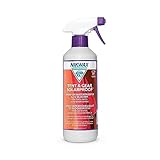
After cleaning and drying, consider reapplying a canvas waterproofing treatment. This tent waterproofing spray can help protect your canvas from future moisture and mold.
Common mistakes (and what happens if you ignore them)
| Mistake | What it causes | Fix |
|---|---|---|
| Using harsh chemicals (like bleach) | Damages canvas fibers, weakens waterproofing, causes discoloration, can irritate skin and lungs. | Stick to mild solutions like diluted vinegar or specialized canvas cleaners. Always test in an inconspicuous spot first. |
| Scrubbing too aggressively | Tears or frays the canvas fabric, creating weak points and potential leaks. | Use a soft-bristled brush and gentle, circular motions. Let the cleaner do the work. |
| Not rinsing thoroughly | Leaves behind residue that attracts dirt, can degrade fabric over time, and may react with future cleaning agents or waterproofing. | Rinse multiple times with clean water until all soap or vinegar smell is gone. |
| Storing damp canvas | Guarantees mold and mildew growth, leading to permanent stains, odors, and fabric degradation. This is the #1 culprit. | Ensure canvas items are completely dry before storing. Air them out in the sun for a day or two if needed. |
| Cleaning indoors | Spreads mold spores throughout your living space, potentially causing health issues and re-contaminating your gear. | Always clean canvas items outdoors in a well-ventilated area, preferably in direct sunlight. |
| Not testing the cleaning solution | Can lead to permanent discoloration, fading, or damage to the canvas fabric across the entire item. | Always test your chosen cleaner on a small, hidden area first. Let it dry to see the full effect. |
| Using a dirty brush or cloth | Re-applies dirt and mold to the canvas, making the cleaning process less effective and potentially spreading the problem. | Use clean brushes and cloths. Rinse them thoroughly between uses. |
| Ignoring stubborn stains | Leaves the mold/mildew weakened but not eliminated, allowing it to return quickly. | Repeat the cleaning process, potentially with a slightly stronger solution or more focused scrubbing on that specific spot. Patience is key here. |
| Not reapplying waterproofing | Reduces the canvas’s ability to shed water, making it more susceptible to moisture absorption and future mold growth. | After cleaning and drying, consider reapplying a suitable canvas waterproofing treatment. |
| Storing in a humid environment | Even clean canvas can develop mold if stored in a damp basement or closet. | Store canvas items in a dry, cool place. Consider using breathable storage bags. |
Not reapplying waterproofing reduces the canvas’s ability to shed water, making it more susceptible to moisture absorption and future mold growth. Consider using a quality tent waterproofing spray to restore protection.
Decision rules (simple if/then)
- If you see fuzzy green or black spots, then you’ve got mold or mildew because moisture and organic material are a perfect breeding ground.
- If the mold is just starting and light, then diluted vinegar is your best bet because it’s a mild, natural disinfectant.
- If the mold is deeply ingrained or has left dark stains, then a specialized canvas cleaner might be necessary because it’s formulated for tougher jobs.
- If you’re unsure about your cleaning solution, then test it on a hidden spot first because you don’t want to ruin your gear.
- If you scrub too hard, then you risk damaging the canvas fibers because canvas isn’t as tough as it looks.
- If you rinse poorly, then residue can attract dirt and lead to future mold problems because you’re leaving behind a food source.
- If you pack up a damp tent, then you are actively inviting mold to grow because you’ve created the perfect humid environment for it.
- If the canvas still smells musty after cleaning and drying, then it’s not truly clean and you should repeat the process because the mold spores are still active.
- If your canvas item has lost its water repellency, then reapply a waterproofing treatment because this will help prevent future moisture issues.
- If you’re dealing with a vintage or valuable canvas item, then consider professional cleaning because they have specialized knowledge and equipment.
- If you’re in doubt about the safety of your cleaning process, then err on the side of caution and use the mildest effective method because your health and gear are important.
If your canvas item has lost its water repellency, then reapply a waterproofing treatment. A good tent waterproofing spray will help prevent future moisture issues.
FAQ
Q: Can I use regular household cleaners on my canvas tent?
A: Generally, no. Harsh chemicals can damage the fabric and its waterproofing. Stick to mild solutions specifically designed for canvas or natural options like diluted vinegar.
Q: How long does it take for mold to grow on canvas?
A: Mold can start growing within 24-48 hours in damp, warm conditions. That’s why drying your gear thoroughly is so critical.
Q: Will sunlight kill mold on canvas?
A: Sunlight, especially UV rays, can help kill mold spores and fade stains, but it’s not a complete solution on its own. It’s best used in conjunction with cleaning.
Q: My canvas tarp has some black spots, but no smell. Is it still mold?
A: Yes, black spots are a common sign of mold or mildew. Even without a smell, it can degrade the fabric over time. It’s best to clean it.
Q: What’s the difference between mold and mildew?
A: They are both types of fungi. Mildew typically appears as a white or grayish powdery growth, while mold can be black, green, or even pink and may have a fuzzy texture. Both need to be removed.
Q: Can mold damage my canvas permanently?
A: Yes, if left untreated, mold can stain canvas permanently and weaken its fibers, making it more prone to tearing. Prompt cleaning is key.
Q: How often should I check my canvas gear for mold?
A: After every trip, especially if you stored it damp or in a humid environment. Regular visual checks are your best defense.
What this page does NOT cover (and where to go next)
- Detailed instructions for specific brands or types of canvas items (e.g., boat covers, awnings).
- Advanced restoration techniques for antique or heavily damaged canvas.
- Commercial-grade cleaning solutions and their application.
- The chemistry of mold and mildew growth in detail.
- Specific recommendations for cleaning synthetic fabrics (these require different methods).

Camping Bob has spent over 20 years camping across the US — from BLM dispersed sites in the Southwest to KOA campgrounds in the Pacific Northwest. He writes practical, no-nonsense guides to help fellow campers get outdoors with confidence.