
Proper Bear Spray Usage for Personal Safety
Quick answer
- Always carry bear spray where bears might be. Keep it accessible, not buried in your pack.
- Know your spray: check the expiration date and practice removing the safety clip.
- Aim for the face. Create a cloud between you and the bear.
- Don’t spray and run. Hold your ground until the bear retreats.
- Understand wind direction. It’s your friend, or your worst enemy.
- Bear spray is for defense, not offense. It’s a last resort.
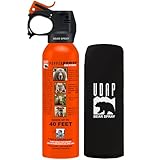
For effective bear deterrence, consider a reliable bear spray like the one found here. Always ensure it’s easily accessible when in bear country.
What to check first (do this before you drive out)
Before you head into bear country, a little prep goes a long way. Don’t be that guy who gets surprised.
- Land manager / legality: Who manages this land? Is it National Forest, BLM, a State Park, or private? Each might have different rules about carrying and using bear spray. Some areas might even have specific recommendations or requirements. Always check the official agency website for the specific area you’re visiting.
- Access/road conditions: Is the road to your trailhead or campsite washed out? Are there any seasonal closures? Knowing if you need 4WD or high clearance can save you a tow truck bill. Mud and snow can make even familiar roads tricky. I learned that the hard way once near the Tetons.
- Fire restrictions + weather + wind: This is huge. Check the local fire restrictions before you even think about a campfire. Weather can change fast in the mountains, so pack layers. And wind? It’s critical for bear spray. Know the forecast. A strong headwind can blow the spray back on you. A strong tailwind can render it useless.
- Water plan + waste plan (Leave No Trace): Where will you get water? Do you need a filter? Pack it out. Same goes for all your trash. Bears are attracted to human food and waste. Follow Leave No Trace principles religiously. Pack it in, pack it out. It’s not just a slogan; it’s how we keep wild places wild and bears wild too.
- Safety (wildlife, distance to help, comms): Be aware of recent bear activity reports. Know what to do if you encounter a bear (it’s not always spray time). How far is the nearest ranger station or town? Do you have cell service? A satellite communicator is a smart investment for remote areas.
Step-by-step (field workflow)
This is your game plan when things get dicey. Stay calm, breathe.
1. Identify the bear and its behavior.
- What to do: Assess the situation. Is it a grizzly or black bear? Is it aware of you? Is it defensive (huffing, ears back, swatting ground) or curious/predatory (stalking, head up, focused on you)?
- What “good” looks like: You can calmly identify the bear species and its general mood from a safe distance.
- Common mistake: Panicking and assuming every bear is a direct threat. Most bears want nothing to do with you.
2. Slowly back away, talking calmly.
- What to do: Do not run. Speak in a low, calm voice. Make yourself look bigger by raising your arms.
- What “good” looks like: The bear acknowledges you but doesn’t advance. You are creating distance.
- Common mistake: Turning and running. This triggers a chase response.
3. If the bear approaches, remove the safety clip.
- What to do: This is your signal to prepare. Get your bear spray ready. Know how to do this without looking.
- What “good” looks like: The clip pops off easily, and you have a firm grip on the canister.
- Common mistake: Fumbling with the safety clip while the bear is closing in. Practice this.
Having a high-quality bear spray ready, such as this recommended option, is crucial for quick deployment.
4. Determine wind direction.
- What to do: Feel the wind on your face or check with a wet finger. Is it blowing towards you or the bear?
- What “good” looks like: You know exactly which way the spray will travel.
- Common mistake: Ignoring the wind and spraying into it.
5. If the bear charges, prepare to spray.
- What to do: Stand your ground if it’s a bluff charge. If it’s a persistent charge, get ready.
- What “good” looks like: You are calm, centered, and ready to deploy.
- Common mistake: Spraying too early or too late.
6. Deploy the spray when the bear is within range (typically 25-30 feet).
- What to do: Aim slightly downward at the bear’s face. Spray in 1-second bursts, creating a cloud.
- What “good” looks like: A dense cloud of irritant is deployed directly in the bear’s path.
- Common mistake: Spraying too far away, where the wind disperses it too much.
7. Continue spraying if the bear persists.
- What to do: If the bear continues to advance, give it another burst. Don’t empty the can unless absolutely necessary.
- What “good” looks like: The bear is deterred by the spray and changes its behavior.
- Common mistake: Stopping after one short burst when the bear is still a threat.
8. Hold your ground and observe.
- What to do: Do not run immediately after spraying. The bear may be disoriented but still dangerous. Wait for it to leave the area.
- What “good” looks like: The bear turns and retreats, or shows signs of distress and leaves.
- Common mistake: Turning and running as soon as you spray, potentially re-engaging the bear.
9. Once the bear is gone, leave the area.
- What to do: Slowly and calmly move away from the spot where the encounter occurred.
- What “good” looks like: You are safely moving towards your intended destination or back to safety.
- Common mistake: Staying in the immediate area, which might still be perceived as a threat zone by the bear.
10. Report the incident.
- What to do: Contact the local land management agency (USFS, NPS, BLM, etc.) as soon as possible.
- What “good” looks like: Officials have accurate information to warn others and monitor wildlife behavior.
- Common mistake: Not reporting the encounter, leaving others unaware of potential danger.
Common mistakes (and what happens if you ignore them)
| Mistake | What it causes | Fix |
|---|---|---|
| Carrying spray in your backpack | Inability to access it quickly during a surprise encounter. You might end up in a dangerous situation before you can even reach it. | Always carry bear spray in a readily accessible holster on your hip or chest strap. Know how to draw it without looking. |
| Not checking the expiration date | The propellant may have leaked, reducing pressure and spray distance. You might have a canister that doesn’t work when you need it most. | Check the expiry date on your bear spray can <em>before</em> each trip. Replace it if it’s expired. |
| Not practicing drawing the spray | Fumbling with the safety clip or grip under stress. This wastes precious seconds when a bear is close. | Practice drawing your bear spray regularly. Get used to the feel of the canister and how to remove the safety clip quickly and smoothly. |
| Spraying too early or too far away | The wind disperses the spray before it reaches the bear, making it ineffective. The bear might not even notice it. | Wait until the bear is within the effective range (usually 25-30 feet) and aim for the face, considering wind direction. |
| Spraying directly at a charging bear | The bear might run through the cloud, or it might just get annoyed. You need a barrier. | Aim slightly downward to create a cloud of irritant between you and the bear’s face. It’s about creating an impenetrable barrier. |
| Running after spraying | This can re-trigger a chase response from the bear. You’re still in its territory. | Hold your ground until the bear leaves the area. The spray disorients them; don’t give them a new reason to pursue you. |
| Not reporting an encounter | Other people in the area might not be aware of bear activity. Wildlife managers can’t track bear behavior or potential human-bear conflicts. | Always report bear encounters to the local land management agency (USFS, NPS, BLM, State Parks) as soon as possible. |
| Relying solely on bear spray | Bear spray is a last resort. It doesn’t replace good bear awareness and avoidance techniques. | Combine bear spray with other safety practices: make noise, travel in groups, store food properly, and know how to react to different bear behaviors. |
| Using spray in windy conditions | The wind can blow the spray back into your face, incapacitating you. Or it can blow it away from the bear, rendering it useless. | Always check wind direction. If it’s too windy (especially a strong headwind), you might need to rethink your approach or be extra cautious. |
| Not understanding bear behavior | You might escalate a situation unnecessarily or fail to react appropriately to a genuine threat. | Educate yourself on the difference between defensive and predatory bear behavior and how to respond to each. Not all charges are the same. |
To avoid common mistakes, ensure you’re using a fresh, unexpired bear spray. This product is a great choice for reliable protection.
Decision rules (simple if/then)
- If you are hiking in known bear country, then carry bear spray because it’s your best defense against an aggressive bear.
- If you hear a bear before you see it, then stop and assess the situation before moving forward because you don’t want to surprise it.
- If a bear is aware of you and not showing aggression, then talk calmly and slowly back away because you want to show you are not a threat.
- If a bear is bluff charging (ears back, huffing, swatting ground, but not running directly at you), then stand your ground and prepare to spray because these charges often end before contact.
- If a bear is running directly at you with its head up and focused, then deploy your bear spray because this indicates a predatory or defensive attack.
- If the wind is blowing towards you, then hold your ground and wait for the wind to shift or move to a different position because spraying into the wind is dangerous for you.
- If the bear spray hits the bear and it continues to advance, then spray again because you need to create a persistent barrier.
- If the bear retreats after you spray, then slowly back away and leave the area because you don’t want to re-engage.
- If you are camping, then store all food and scented items in a bear-resistant container or hang them properly because you don’t want to attract bears to your campsite.
- If you see bear scat or tracks, then be extra vigilant and make noise because you are in an area where bears are active.
- If you are unsure of the bear’s intentions, then treat it with caution and give it space because it’s better to be safe than sorry.
- If you are traveling with a group, then stay together and make noise because groups are less likely to be attacked than individuals.
When hiking in bear country, carrying a dependable bear spray like this one is a non-negotiable safety measure.
FAQ
Q: How close do I need to be to spray a bear?
A: Generally, you want to deploy bear spray when the bear is between 25 and 30 feet away. This maximizes the effectiveness of the spray cloud.
Q: What if I accidentally spray myself?
A: Bear spray is a potent irritant. If you get it on yourself, move to fresh air immediately, flush your eyes and skin with water if possible, and try to stay calm. It’s painful but temporary.
Q: Can I use bear spray on a dog?
A: Bear spray is designed for bears. While it might deter a dog, it’s not its intended use and could be overkill or ineffective depending on the situation. Focus on bear safety.
Q: What’s the difference between bear spray and pepper spray for self-defense?
A: Bear spray is formulated with a higher concentration of capsaicin and a larger dispersal pattern, designed to stop a large animal like a bear. Self-defense pepper spray is typically less potent and has a smaller spray radius.
Q: How do I store bear spray?
A: Store it in a cool, dry place away from direct sunlight. Check the expiration date regularly. Don’t leave it in a hot car for extended periods.
Q: What if the bear is already attacking me?
A: If a bear makes contact, fight back aggressively. Use anything you have as a weapon. Aim for the eyes and nose. This is a last-ditch effort when all else fails.
Q: Does bear spray work on all bears?
A: Yes, bear spray is effective against both grizzly and black bears. It’s a deterrent for any bear species.
Q: How long does the spray last?
A: A typical canister sprays for about 6-9 seconds, depending on the brand and model. Use it in short bursts.
What this page does NOT cover (and where to go next)
- Detailed bear identification guides (learn to tell grizzlies from black bears).
- Advanced wilderness survival techniques beyond bear encounters.
- Specific regulations for national parks or national forests (always check local rules).
- First aid for bear attacks (know basic first aid and have a plan).
- How to store food properly in bear country (bear canisters, bear hangs).

Camping Bob has spent over 20 years camping across the US — from BLM dispersed sites in the Southwest to KOA campgrounds in the Pacific Northwest. He writes practical, no-nonsense guides to help fellow campers get outdoors with confidence.