
Perfect Campfire S’mores: A Step-by-Step Guide
Quick answer
- Gather your ingredients: graham crackers, marshmallows, and chocolate.
- Build a solid campfire and let it burn down to coals.
- Skewer your marshmallow securely.
- Roast the marshmallow to golden brown perfection.
- Assemble your s’more quickly before it cools.
- Enjoy that gooey, chocolatey goodness.
What to check first (do this before you drive out)
Before you even think about toasting marshmallows, there are a few crucial things to get dialed in. This isn’t just about s’mores; it’s about camping smart.
- Fire restrictions + weather + wind: This is non-negotiable. Check the local land manager’s website (like the US Forest Service, BLM, or state park) for current fire bans. Seriously, don’t be that person. A rogue spark can ruin a lot more than just your s’mores. Also, check the weather forecast. Rain puts a damper on things, and high winds can make a campfire dangerous.
- Water plan + waste plan (Leave No Trace): Always have water nearby for emergencies. A bucket of water or a shovel with sand is your friend. Pack out everything you pack in, including food scraps. Leave your campsite cleaner than you found it. It’s just good karma.
- Safety (wildlife, distance to help, comms): Know what critters are in the area and how to store your food properly. Keep a first-aid kit handy. Let someone know where you’re going and when you expect to be back. Cell service can be spotty out there.
Always keep a reliable camping first aid kit nearby, especially when enjoying activities like s’mores around a fire. It’s essential for handling minor burns or scrapes.

Step-by-step (field workflow)
Alright, the fire’s ready, the ingredients are prepped. Let’s make some magic.
1. Build a good campfire: Start with dry tinder and kindling, gradually adding larger pieces of wood. Get it going strong.
- What “good” looks like: A healthy flame that’s starting to produce a bed of glowing coals.
- Common mistake: Trying to cook over roaring flames. You’ll scorch your marshmallow instantly. Let it burn down.
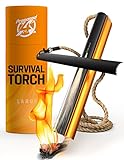
To ensure your campfire gets off to a strong start for perfect s’mores, consider using a camping fire starter kit. It makes building a good fire much easier and safer.
2. Prepare your s’more station: Lay out your graham crackers, break them in half, and place a piece of chocolate on one half. Have them ready to go.
- What “good” looks like: Everything organized and within arm’s reach. No fumbling when the marshmallow is perfect.
- Common mistake: Not having your crackers and chocolate ready. The marshmallow will fall or burn while you’re searching for your chocolate.
3. Select your marshmallow stick: A long, sturdy stick is best. Metal skewers work too, but be careful; they get hot.
- What “good” looks like: A stick long enough to keep your hands a safe distance from the heat.
- Common mistake: Using a flimsy stick that snaps or a short stick that puts your hand too close to the flames.
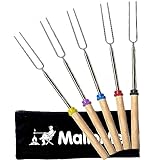
For the best s’mores experience, we highly recommend using a set of long, sturdy marshmallow roasting sticks. They keep your hands safe from the heat and allow for even toasting.
4. Skewer the marshmallow: Push the marshmallow onto the stick, ensuring it’s secure but not so deep it’s about to fall off.
- What “good” looks like: The marshmallow is firmly on the stick, centered, and ready for roasting.
- Common mistake: Not pushing it on far enough. It’ll slide off into the fire before you even get a good toast.
5. Find the sweet spot: Move your marshmallow to the edge of the coals or where the heat is radiating, not directly in the flames.
- What “good” looks like: Gentle, consistent heat that will toast the marshmallow evenly.
- Common mistake: Sticking it straight into a bright flame. Instant char, zero goo.
6. Roast with patience: Rotate the marshmallow slowly and consistently. Watch for it to puff up and turn golden brown.
- What “good” looks like: A perfectly toasted, slightly browned exterior with a molten interior.
- Common mistake: Getting impatient and holding it too close, or not rotating it. This leads to one side being burnt and the other raw.
7. The “perfect” toast (optional but recommended): For a truly molten center, some campers like to get the outside just right, then briefly hold it closer to the coals or flame to get a little char. This is an advanced move.
- What “good” looks like: A slightly charred exterior with a gooey, liquid center.
- Common mistake: Holding it too long in this phase and incinerating the whole thing.
8. Assemble the s’more: Carefully slide the hot marshmallow off the stick onto the chocolate-covered graham cracker half.
- What “good” looks like: The marshmallow lands perfectly, ready to be squished.
- Common mistake: Dropping the marshmallow or letting it stick to the stick. A gentle nudge usually does the trick.
9. Squish and enjoy: Top with the other graham cracker half and gently press down. The chocolate will start to melt.
- What “good” looks like: A unified s’more, warm and gooey.
- Common mistake: Pressing too hard and squeezing all the goo out the sides.
10. Eat immediately: This is not a dessert to be saved for later. It’s best when it’s hot and messy.
- What “good” looks like: Pure bliss.
- Common mistake: Waiting too long. It hardens up and loses its magic.
Common mistakes (and what happens if you ignore them)
| Mistake | What it causes | Fix |
|---|---|---|
| Not checking fire restrictions | Fines, wildfire, serious legal trouble, and a ruined camping trip. | Always check the local land manager’s website <em>before</em> you leave home. |
| Roasting directly in flames | Burnt, sooty marshmallow, no melted chocolate, disappointment. | Roast over glowing coals or radiant heat. Patience is key. |
| Not preparing ingredients beforehand | Burnt marshmallow, dropped ingredients, frantic searching, lost s’more joy. | Set up your s’more station before you start roasting. Have crackers and chocolate ready. |
| Using a flimsy or short stick | Dropped marshmallow, burned hands, frustration. | Use a long, sturdy stick or metal skewer. Test its strength before you commit. |
| Not securing the marshmallow on the stick | Marshmallow slides off into the fire, wasted ingredients. | Push the marshmallow firmly onto the stick, but not so far it rips. |
| Forgetting Leave No Trace principles | Littered campsites, harm to wildlife, negative impact on future campers. | Pack out all trash, including food scraps. Leave the site clean. |
| Ignoring wind conditions | Embers blowing around, difficult to control fire, potential for wildfire. | If it’s too windy, reconsider the campfire or use extreme caution. Have water and shovel ready. |
| Not having water for emergencies | Inability to quickly extinguish a small flare-up or accidental spark. | Always keep a bucket of water or sand nearby when the fire is active. |
| Over-pressing the s’more | Goo squeezes out, sticky mess, less internal melt. | Gently press just enough to combine the layers. Let the heat do the work. |
| Trying to eat a s’more too fast | Burns your mouth, sticky fingers everywhere, less enjoyment. | Let it cool for a few seconds. Embrace the mess. |
Decision rules (simple if/then)
- If the fire is actively flaming with tall, unpredictable flames, then wait for it to burn down to coals because cooking over flames will just incinerate your marshmallow.
- If you see “No Fires Permitted” signs or have read about a burn ban online, then do not start a campfire because you risk fines and causing a wildfire.
- If the wind is gusting strongly, then consider skipping the campfire or being extra vigilant with water and a shovel nearby because embers can travel far.
- If your marshmallow is starting to brown too quickly on one side, then rotate it more frequently because even heat is the goal.
- If your marshmallow is collapsing or looking like it might fall, then pull it away from the heat and re-secure it on the stick if possible because a dropped marshmallow is a tragedy.
- If you’re camping in bear country, then store all food, including s’more ingredients, in a bear-resistant container or hang it properly because bears love sweet treats too.
- If you don’t have a long enough stick, then find a longer one or use a metal skewer because safety first, always.
- If you’re unsure about the legality of campfires, then check the official USFS, BLM, or state park website for the specific area because rules change.
- If your first s’more attempt is a burnt disaster, then don’t despair; just grab another marshmallow and try again because practice makes perfect.
- If you’re sharing s’mores, then make sure everyone knows the basic safety rules before they start roasting because happy campers are safe campers.
- If you’re packing out your trash, then bring a dedicated bag for s’more wrappers and sticky bits because leaving no trace is crucial.
FAQ
How do you get a perfectly toasted marshmallow?
Roast it slowly over glowing coals, rotating it constantly. Aim for a golden-brown color all around. It takes patience.
Can I make s’mores without a campfire?
You sure can. A gas stove, grill, or even a broiler in your oven can work in a pinch. Just watch them closely; they cook fast.
What kind of chocolate is best for s’mores?
Classic milk chocolate bars are traditional for a reason. Dark chocolate or even peanut butter cups can be fun variations.
What if my marshmallow catches fire?
Gently blow it out or pull it away from the heat source. Don’t panic. A little char is okay, but a full inferno means starting over.
How do I avoid sticky fingers?
You probably won’t. Embrace the mess; it’s part of the experience! A wet wipe or bandana is your best friend afterward.
Is there a specific order for building a s’more?
Most people put the chocolate on one graham cracker, then the toasted marshmallow, then the other graham cracker on top.
What’s the best way to clean up after making s’mores?
Pack out all wrappers and any dropped bits. Extinguish your campfire completely if you made one. Leave no trace.
Can kids make s’mores safely?
With adult supervision, absolutely. Ensure they understand fire safety and how to handle hot marshmallows.
What this page does NOT cover (and where to go next)
- Advanced campfire building techniques for different wood types.
- Detailed information on bear safety protocols.
- Specifics on local regulations for backcountry fires.
- Recipes for gourmet s’more variations.
- How to choose the best camping gear for cooking.