
Mastering Campfire Starting: Essential Techniques for Campers
Quick answer
- Know your fire pit: Use designated spots or build safely away from hazards.
- Gather three types of fuel: Tinder, kindling, and fuelwood.
- Dry is king: Everything needs to be bone dry for a good burn.
- Build a structure: Teepee or log cabin works well to get air.
- Light low: Hit the tinder at the base.
- Shield from wind: Use your body or a natural barrier.
- Never leave it unattended: Keep an eye on it until it’s cold.
- Douse completely: Water and stir until no heat remains.
What to check first (do this before you drive out)
Before you even think about striking a match, a few things need your attention. This isn’t just about comfort; it’s about safety and legality.
- Land manager / legality: Who owns this patch of dirt? Is it National Forest, BLM, a State Park, or private land? Each has its own rules. A quick check on their official website or a call can save you a headache. Sometimes, permits are needed. Always check.
- Access/road conditions: Can your rig actually get there? Some spots are paved all the way. Others are rough dirt tracks that demand high clearance and 4WD. Don’t get stuck miles from nowhere because you didn’t check the road report. Mud, snow, or washouts can change everything.
- Fire restrictions + weather + wind: This is a big one. During dry spells, fire bans are common. Violating them can mean hefty fines and, worse, starting a wildfire. Check the local fire danger rating and any specific burn bans. Also, look at the forecast. High winds are a wildfire’s best friend. A gentle breeze is one thing; a gale is another.
- Water plan + waste plan (Leave No Trace): Got water to put out your fire? You’ll need plenty. And what about trash? Pack it in, pack it out. This applies to your fire too – leave the site cleaner than you found it.
- Safety (wildlife, distance to help, comms): Are there bears or other critters around? Keep your food secure and your campsite clean. How far is the nearest ranger station or town? Cell service is often spotty. Let someone know where you’re going and when you expect to be back.
Step-by-step (field workflow)
Okay, you’ve done your homework. The conditions are good. Now, let’s get that fire going.
1. Choose your spot.
- What to do: Find an existing fire ring or a clear, bare spot at least 10 feet from trees, bushes, and your tent. If building a new one, scrape down to mineral soil.
- What “good” looks like: A safe, designated area that won’t spread fire.
- Common mistake: Using a spot with dry leaves or overhanging branches nearby. Avoid this by looking up and around.
If you’re in an area without a designated fire ring or want to minimize your impact, a portable campfire pit can be an excellent solution. They provide a safe, contained space for your fire and are easy to set up and pack away.

2. Gather your fuel.
- What to do: Collect three distinct types:
- Tinder: Catches the spark. Think dry grass, birch bark shavings, cotton balls soaked in petroleum jelly, or commercial fire starters.
- Kindling: Small twigs, pencil-lead to pencil-thick.
- Fuelwood: Larger pieces, from thumb-thick up to wrist-thick.
- What “good” looks like: A substantial pile of each, all bone dry.
- Common mistake: Not gathering enough tinder or kindling. You need more than you think.
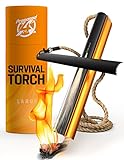
For reliable ignition, consider carrying a dedicated camping fire starter kit. These kits often include waterproof tinder and robust igniters, making fire starting easier in challenging conditions.
3. Prepare the tinder.
- What to do: Fluff up your tinder so air can get to it. If using natural materials like dry grass, make a loose nest.
- What “good” looks like: A fluffy, airy bundle ready to ignite.
- Common mistake: Packing the tinder too tightly. It needs to breathe to catch a flame.
4. Build your structure.
- What to do: Arrange your kindling around the tinder. Two common methods:
- Teepee: Lean kindling against the tinder bundle like a cone.
- Log Cabin: Criss-cross kindling around the tinder, building a small box.
- What “good” looks like: A structure that allows airflow and directs the flame upwards.
- Common mistake: Blocking airflow by packing kindling too close to the tinder.
5. Add small fuelwood.
- What to do: Place a few of your smallest fuelwood pieces (thumb-thick) around the kindling structure, leaving space for air.
- What “good” looks like: A gradual increase in fuel size, still with good airflow.
- Common mistake: Adding too much wood too soon, smothering the initial flame.
6. Light the tinder.
- What to do: Use a lighter, waterproof matches, or a ferro rod. Aim for the base of the tinder bundle. Shield it from the wind with your body or a cupped hand.
- What “good” looks like: The tinder catches and begins to burn steadily.
- Common mistake: Not shielding the flame from wind, causing it to blow out before igniting the tinder.
7. Feed the flame.
- What to do: As the kindling catches, gently blow on the base of the flame to give it oxygen. Add more kindling as needed. Once the kindling is burning well, start adding your smaller fuelwood pieces.
- What “good” looks like: A sustained flame that grows stronger and starts to char the fuelwood.
- Common mistake: Adding larger wood too early, before the smaller pieces are burning hot enough.
8. Build the fire.
- What to do: Once the smaller fuelwood is burning well, gradually add larger pieces. Maintain the structure, allowing air to circulate. Don’t overload it.
- What “good” looks like: A robust fire that provides heat and light without excessive smoke.
- Common mistake: Piling on too much wood at once, turning a good fire into a smoky mess or extinguishing it.
9. Maintain the fire.
- What to do: Add fuelwood as needed to keep it going. Keep the fire contained within the ring.
- What “good” looks like: A controlled, steady fire.
- Common mistake: Letting the fire spread outside the designated area or leaving it to burn unattended.
10. Extinguish the fire.
- What to do: Start this process well before you plan to leave or sleep. Pour water on the embers and ashes. Stir thoroughly with a shovel or stick. Repeat until everything is cool to the touch.
- What “good” looks like: Cold ashes, no glowing embers, no steam. You should be able to run your hand through it (carefully!).
- Common mistake: Not dousing thoroughly. A fire can reignite hours later from a single ember.
Common mistakes (and what happens if you ignore them)
| Mistake | What it causes | Fix |
|---|---|---|
| Not checking fire restrictions | Fines, wildfire, jail time | Always check the local fire danger rating and burn bans. |
| Using wet or damp materials | Difficulty starting, excessive smoke, poor burn | Gather wood from dead, downed trees. Test for dryness. |
| Not gathering enough tinder/kindling | Fire dies out before it gets going, frustration | Over-gather. It’s better to have too much than too little. |
| Building fire too close to hazards | Spreading fire to vegetation, tents, or vehicles | Maintain at least 10 feet clearance from anything flammable. |
| Piling on wood too fast | Smothering the flame, creating smoke instead of fire | Add wood gradually, allowing each stage to catch and burn well. |
| Not providing airflow | Fire smolders, produces smoke, doesn’t burn efficiently | Use structures like teepees or log cabins; don’t pack wood too tight. |
| Leaving fire unattended | Uncontrolled spread, potential wildfire | Never leave a fire burning without direct supervision. |
| Not extinguishing fire completely | Rekindling hours later, wildfire, danger to others | Douse, stir, feel for heat. Repeat until completely cold. |
| Using accelerants like gasoline | Uncontrolled flare-ups, explosions, burns | Stick to natural tinder and kindling; use matches or lighters. |
| Not having water/shovel readily available | Inability to control or extinguish a spreading fire | Always keep a bucket of water and a shovel nearby. |
| Building a fire in high winds | Fire spreads rapidly, difficult to control | Avoid building fires in windy conditions; postpone if necessary. |
| Not clearing the area around the fire pit | Fire spreading underground through roots or duff | Scrape down to bare mineral soil in a 10-foot radius. |
Decision rules (simple if/then)
- If fire restrictions are in place, then do not start a fire because it’s illegal and dangerous.
- If the wood you find is damp, then try to find drier pieces or use a fire starter because wet wood won’t burn well.
- If you only have large logs, then you won’t be able to start a fire because you need small tinder and kindling first.
- If the wind picks up significantly, then consider letting the fire die down or extinguishing it because high winds can spread embers rapidly.
- If you are in an area with dry grass and brush, then be extra cautious about embers and ensure your fire pit is well-cleared because stray sparks can start wildfires.
- If you are unsure about the legality of fires in the area, then check with the land manager before you go because ignorance is not an excuse.
- If you are camping in a designated campground with fire rings, then use them because they are built for safety.
- If you can’t find any dry natural tinder, then use a commercial fire starter or prepare your own with cotton balls and petroleum jelly because a good tinder bundle is crucial.
- If you are struggling to get your fire going, then add more airflow by gently blowing on the base of the flame because oxygen is key.
- If you are packing up to leave, then start the extinguishing process at least 30 minutes beforehand because it takes time to do it right.
- If you see any glowing embers or feel any heat, then add more water and stir again because the fire is not out yet.
- If you are in a very remote area with no water source nearby, then carry extra water specifically for fire extinguishing because you are responsible for your fire’s safety.
FAQ
How do I know if my wood is dry enough?
Tap two pieces together; dry wood makes a sharp “clack” sound. Damp wood makes a dull thud. Also, look for cracks at the ends of larger pieces.
What’s the best way to start a fire without matches?
A ferrocerium rod (ferro rod) and striker are reliable. Practice using it with your tinder beforehand. It works even when wet.
Can I use pinecones as tinder?
Yes, dry pinecones can work, especially the smaller, fluffier ones. They catch a spark well and burn hot, helping to ignite kindling.
Is it okay to burn trash in the campfire?
Generally, no. Most trash, especially plastics and treated materials, releases toxic fumes and leaves harmful residue. Pack it out.
How much wood should I gather?
Gather more than you think you’ll need for a typical evening. It’s easier to have extra and leave it than to run out and have a cold night.
What if it starts raining while I’m trying to build a fire?
Look for dead, standing wood, as it’s often drier than wood on the ground. Also, seek out dry tinder under overhangs or in sheltered spots.
Should I dig a pit for my fire?
Only if there isn’t an existing fire ring and the land manager permits it. Always scrape down to mineral soil and clear a wide radius.
How do I deal with smoke blowing in my face?
Fires tend to produce smoke that drifts with the wind. Try to position your seating area downwind of the main smoke plume, or adjust the fire’s structure slightly.
What’s the deal with “Leave No Trace” and campfires?
It means minimizing your impact. Use existing fire rings, keep fires small, burn all wood to ash, and pack out any unburned trash.
Can I use lighter fluid or other accelerants?
It’s generally discouraged. Accelerants can cause dangerous flare-ups and leave chemical residues. Stick to matches, lighters, and natural or prepared tinder.
What this page does NOT cover (and where to go next)
- Specific fire pit construction techniques for various terrains. (Look into building a safe, permanent fire ring.)
- Advanced fire starting with friction methods like bow drills. (Explore primitive skills resources.)
- Detailed guides on identifying edible or medicinal plants often found near campsites. (Consult local foraging guides.)
- Legal regulations for campfires in specific national parks or wilderness areas. (Visit the official NPS or USFS website for your intended location.)
- Campfire cooking recipes and techniques. (Search for “campfire cooking” or “Dutch oven recipes.”)