
Keeping Your Campfire Burning Brightly And Safely
Quick answer
- Always check fire restrictions before you go. Seriously.
- Know your fire ring or pit. Use it. Don’t make a new one.
- Gather wood responsibly. Dead and down, no more than wrist-thick.
- Keep water and a shovel close. Always.
- Never leave a fire unattended. Not even for a minute.
- Douse it completely. Drown, stir, feel. Repeat.
- Pack out all your trash. Leave it better than you found it.
What to check first (do this before you drive out)
Before you even think about packing the s’mores stuff, get your ducks in a row. This isn’t just about a good campfire; it’s about not starting a wildfire.
- Land manager / legality: Who’s in charge? Is it the US Forest Service, BLM, a state park, or private land? Each has its own rules. A quick look at their website or a phone call can save you a hefty fine or worse. I once showed up to a spot only to find it was closed for elk calving season. Good to know ahead of time.
- Access/road conditions: Can your rig even get there? A sweet, secluded spot might require 4WD and high clearance. Mud, snow, or washouts can turn a fun drive into a tow-truck situation. Check recent reports if you can.
- Fire restrictions + weather + wind: This is huge. Burn bans are common, especially in dry seasons. Check the relevant fire danger level and any specific restrictions. Also, look at the forecast. High winds are a fire’s best friend. If it’s gusty, maybe skip the fire.
- Water plan + waste plan (Leave No Trace): Do you have enough water to put out the fire? Seriously, bring more than you think you need. And what about trash? Pack it all out. Ashes can be scattered after they are cold, but all other garbage goes home with you.
- Safety (wildlife, distance to help, comms): Know what critters are in the area. Keep food stored properly. How far is the nearest ranger station or town? Do you have cell service? A satellite communicator is a good idea for remote areas.
Step-by-step (field workflow)
Alright, you’ve checked the boxes. Now it’s time to set up camp and get that fire going right.
1. Choose your spot: Look for an established fire ring or pit. If there isn’t one, find a spot on bare mineral soil, away from overhanging branches, dry grass, and tents.
- Good looks like: A designated ring, or a clear, safe area.
- Common mistake: Making a new fire pit in a grassy area. This is how wildfires start. Use what’s there or pack it out.
2. Clear the area: Around your chosen spot, clear a 10-foot diameter down to bare dirt. Remove all leaves, pine needles, grass, and other flammable materials.
- Good looks like: A clean circle of bare earth.
- Common mistake: Leaving dry leaves or pine needles too close to the fire. They’re fuel.
3. Gather firewood: Collect only dead and downed wood. Look for pieces no thicker than your wrist. Avoid green wood or wood from standing dead trees.
- Good looks like: A modest pile of dry, broken branches.
- Common mistake: Cutting live branches or knocking down dead trees. This damages the forest and the wood won’t burn well anyway.
4. Prepare your fire-starting kit: Have your tinder (dry leaves, pine needles, birch bark shavings), kindling (small twigs), and larger fuel wood ready.
- Good looks like: Everything within easy reach.
- Common mistake: Realizing you forgot your lighter or matches after you’ve already built the fire structure.
To ensure you’re always prepared, consider bringing a reliable camping fire starter kit. It can make all the difference in getting your fire going quickly and safely.
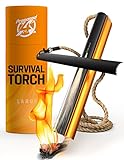
5. Build the fire structure: For a basic fire, place a small bundle of tinder in the center. Lean kindling over it in a teepee or log cabin shape. Leave space for air.
- Good looks like: A structure that can catch a spark and grow.
- Common mistake: Packing the kindling too tightly, smothering the initial flame.
6. Light the tinder: Use a match or lighter to ignite the tinder. Shield it from wind.
- Good looks like: A small flame that begins to lick the kindling.
- Common mistake: Blowing out the initial flicker of tinder because you’re impatient.
For lighting your tinder, especially in less-than-ideal conditions, a set of stormproof matches can be incredibly useful. They’re designed to ignite even when wet or windy.
7. Feed the flames: As the kindling catches, gradually add larger pieces of wood. Don’t overload it. Let the fire establish itself.
- Good looks like: A steady, growing flame.
- Common mistake: Throwing on big logs too soon, which can smother the young fire.
8. Maintain the fire: Keep the fire contained within the ring. Add wood as needed to keep it burning at a manageable size.
- Good looks like: A controlled fire, not a bonfire.
- Common mistake: Letting the fire get too big or letting logs roll out of the ring.
9. Keep water and shovel nearby: Always have a bucket of water and a shovel within arm’s reach.
- Good looks like: Tools ready for immediate action.
- Common mistake: Thinking you won’t need them because “it’s just a small fire.”
Always keep a folding camp shovel handy, not just for clearing your fire area but also for safely managing and extinguishing your fire. It’s an essential tool for fire safety.

10. Never leave unattended: This is non-negotiable. Even for a bathroom break or a quick walk.
- Good looks like: Someone is always watching the fire.
- Common mistake: Stepping away for “just a minute” and coming back to a spreading ember.
11. Extinguish completely: When you’re done, or leaving camp, put the fire out. Drown it with water. Stir the ashes and embers with a shovel. Douse again.
- Good looks like: Cold to the touch. No smoke, no glowing embers.
- Common mistake: Thinking it’s out when it’s just “mostly” out. Embers can smolder for hours.
12. Feel the ashes: Stir and douse until you can run your hand through the ashes without feeling any heat. If it’s too hot to touch, it’s too hot to leave.
- Good looks like: Cold, wet ash.
- Common mistake: Not stirring enough to reach all the buried embers.
Common mistakes (and what happens if you ignore them)
| Mistake | What it causes | Fix |
|---|---|---|
| Ignoring fire restrictions | Fines, jail time, and starting a wildfire that destroys homes and habitats. | Always check official sources for current fire danger and restrictions. |
| Building a fire in an undesignated area | Scarring the landscape, potential wildfire, and damaging ecosystems. | Use existing fire rings. If none exist, find a safe spot on bare mineral soil, away from fuel. |
| Gathering green or live wood | Unnecessary forest damage, smoke, and poor burning quality. | Collect only dead, downed wood no thicker than your wrist. |
| Not clearing enough space around the fire pit | Fire spreading to surrounding vegetation, leading to a wildfire. | Clear a 10-foot diameter circle down to bare dirt. |
| Leaving a fire unattended | Escaped embers igniting dry grass or leaves, causing a wildfire. | Never leave your fire. Assign someone to watch it if you must step away briefly. |
| Not having enough water/tools | Inability to control or extinguish a fire quickly if it starts to spread. | Keep a full bucket of water and a shovel within immediate reach at all times. |
| Not extinguishing the fire completely | Smoldering embers reigniting hours later, potentially starting a wildfire. | Drown, stir, feel. Repeat until cold to the touch. |
| Burning trash in the fire | Releasing toxic fumes, attracting animals, and leaving non-burnable debris. | Pack out all trash. Leave no trace. |
| Using accelerants like gasoline | Explosions, severe burns, and uncontrolled fire spread. | Use proper tinder and kindling. Never use flammable liquids. |
| Building a fire during high winds | Rapid and unpredictable fire spread, making it impossible to control. | Check wind conditions. If it’s gusty, skip the fire or use a camp stove. |
Decision rules (simple if/then)
- If fire restrictions are in place, then do not build a fire because it’s illegal and dangerous.
- If the wind is gusting over 15-20 mph, then consider skipping the campfire because embers can travel far.
- If you are in a red flag warning or high fire danger area, then do not build a fire because the risk is too great.
- If you don’t have a designated fire ring, then find a safe spot on bare mineral soil because you need a clean base.
- If you only have green wood available, then don’t build a fire because it will smoke badly and won’t burn well.
- If you are unsure about the land manager’s rules, then check their website or call ahead because ignorance isn’t an excuse.
- If you are camping in a drought-prone area, then always have a plan for water to extinguish the fire because water sources might be scarce.
- If you see any signs of the fire spreading, then immediately use your water and shovel to suppress it because prompt action is critical.
- If you cannot keep the fire contained to the ring, then put it out immediately because an uncontrolled fire is a disaster.
- If you are packing up to leave, then the fire must be completely out, cold to the touch, because it’s your responsibility.
- If you are camping with kids, then ensure they understand fire safety rules and keep them at a safe distance because their safety is paramount.
- If you are in doubt about any aspect of fire safety, then err on the side of caution and do not build a fire because safety always comes first.
FAQ
Q: How do I know if campfires are allowed?
A: Check the website of the land management agency (USFS, BLM, NPS, state park) or call their local office. Fire restrictions change frequently.
Q: What’s the best wood to use for a campfire?
A: Dry, dead, and downed wood is best. Aim for pieces no thicker than your wrist. Avoid green wood or anything still attached to a living tree.
Q: How big should my campfire be?
A: Keep it manageable. A good campfire is for cooking or warmth, not a giant blaze. Aim for flames no higher than your shins.
Q: What if I can’t find a fire ring?
A: Look for a spot on bare mineral soil, at least 10 feet away from any vegetation, overhanging branches, or your tent. Clear the area down to dirt.
Q: How do I make sure my fire is completely out?
A: Drown it with water, stir the ashes and embers with a shovel, and then drown it again. Repeat until everything is cold to the touch.
Q: Can I burn trash in my campfire?
A: No. Burning trash releases toxic fumes, attracts wildlife, and leaves non-burnable residue. Pack all your trash out.
Q: What are “fire restrictions”?
A: These are regulations put in place by land managers to prevent wildfires. They can range from bans on campfires to complete closures of areas.
Q: What’s the difference between tinder, kindling, and fuel wood?
A: Tinder is material that catches a spark easily (like dry leaves or birch bark). Kindling is small twigs that catch from the tinder. Fuel wood is larger pieces that sustain the fire.
Q: Is it okay to leave my campfire for a few minutes to go to the bathroom?
A: Absolutely not. Never leave a fire unattended, not even for a moment. Assign someone to watch it if you must step away.
What this page does NOT cover (and where to go next)
- Specific regulations for individual national parks or forests.
- Advanced fire-starting techniques (e.g., friction fires).
- Detailed information on using camp stoves.
- Recipes for campfire cooking.
- How to deal with specific wildlife encounters.
- Emergency medical procedures.