
Keeping Food Cold While Camping for an Entire Week
Quick answer
- Pack your cooler strategically: frozen items on the bottom, fresh on top.
- Use block ice or frozen water bottles for longer-lasting cold.
- Pre-chill everything: your cooler, your food, your drinks.
- Minimize cooler opening: plan meals and grab what you need in one go.
- Consider a second, smaller cooler for drinks you access more often.
- Dry ice is an option for serious cold, but handle with care.
- Supplement with non-perishable items for variety and backup.
What to check first (do this before you drive out)
Before you even think about loading the car, do a quick rundown. It saves headaches later.
- Land manager / legality: Who’s in charge out there? Is it National Forest, BLM land, a State Park? Their websites are gold. They’ll tell you about any specific rules, like dispersed camping guidelines or fire bans.
- Access/road conditions: Can your rig actually get there? A standard SUV might be fine for a paved road, but a forest service road can be rough. Check recent reports if you can. Don’t want to get stuck miles from anywhere.
- Fire restrictions + weather + wind: This is crucial. Fire bans mean no campfire cooking, which affects meal planning. Weather dictates clothing, but also how hard your cooler has to work. Strong winds can also impact fire safety.
- Water plan + waste plan (Leave No Trace): How will you get water? Are there potable sources, or are you packing it all in? And where does your trash go? Pack it out, always. Leave it better than you found it.
- Safety (wildlife, distance to help, comms): What critters are common? Bear spray? How far is the nearest ranger station or town? Cell service is usually spotty. Let someone know your itinerary.
Step-by-step (field workflow)
This is how you keep that grub frosty for days. It’s a system.
1. Pre-chill the cooler: This is non-negotiable. Get your cooler inside your house, plugged in if it’s electric, or stuffed with ice packs for a day or two beforehand.
- Good looks like: The cooler walls are already cold to the touch.
- Common mistake: Sticking a warm cooler full of room-temp food out in the sun. It’s fighting an uphill battle from the start. Avoid it by planning ahead.
For an even better start, consider using high-quality reusable ice packs to pre-chill your cooler. They maintain a consistent cold without the mess of melting ice.

2. Freeze your food: Anything that can be frozen, freeze it. Meats, soups, casseroles, even water bottles. They act as extra ice packs.
- Good looks like: Solid blocks of frozen goodness.
- Common mistake: Freezing something that needs to be thawed gradually, like delicate veggies. Plan those meals for later in the trip.
3. Pack dense, frozen items on the bottom: Block ice, frozen water bottles, frozen meals. These will melt slower and keep the cooler cold from below.
- Good looks like: A solid, cold foundation.
- Common mistake: Burying a few ice packs under a bunch of fresh stuff. The cold needs to sink.
4. Layer in cold, fresh items: Pack your perishables tightly on top of the frozen layer. Fill empty spaces.
- Good looks like: Minimal air pockets. Everything is snug.
- Common mistake: Leaving huge gaps. Air is the enemy of cold. Fill ’em up.
5. Add a top layer of ice: Use cubed ice or smaller ice packs to fill any remaining gaps and keep the top layer cold.
- Good looks like: A nice, even layer of cold.
- Common mistake: Not having enough ice to fill the top. It’s like leaving the lid half-open.
6. Minimize cooler opening: Plan your meals and snacks. Think about what you’ll need for breakfast, lunch, and dinner before you open the cooler.
- Good looks like: Quick, efficient grabs. One opening per mealtime, ideally.
- Common mistake: Constantly digging around for a snack or a drink. Every time you open it, cold air escapes.
7. Use a separate drink cooler (optional but recommended): If you drink a lot of beverages, a smaller, dedicated drink cooler that you can access more frequently makes sense. Keep the food cooler closed.
- Good looks like: A dedicated spot for the cold ones.
- Common mistake: Using your main food cooler for every single drink. It gets opened way too often.
For your dedicated drink cooler, an insulated cooler bag can be a lightweight and effective option, keeping beverages cold without taking up too much space.
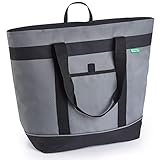
8. Replenish ice as needed: If you’re out for a long haul, you might need to add more ice. Plan for this. You can buy block ice in many towns.
- Good looks like: Adding ice before the food starts to warm up.
- Common mistake: Waiting until the ice is completely gone and everything is lukewarm. Then it’s too late.
9. Store in the shade: Always keep your cooler out of direct sunlight. Under a tree, under a tarp, inside your vehicle (if it’s not a solar oven).
- Good looks like: A cool, shaded spot.
- Common mistake: Leaving it on the picnic table in the blazing sun. It’s basically a heater.
10. Consider dry ice for extreme cold (use caution): For week-long trips in hot weather, dry ice can be a game-changer. It’s super cold but needs ventilation and careful handling.
- Good looks like: Using gloves and ensuring some airflow.
- Common mistake: Sealing a cooler with dry ice completely. It can build up pressure. Also, don’t touch it directly.
Common mistakes (and what happens if you ignore them)
| Mistake | What it causes | Fix |
|---|---|---|
| Not pre-chilling the cooler | Food spoils faster, ice melts too quickly | Chill the cooler for 24-48 hours before packing. |
| Using only cubed ice | Melts too fast, doesn’t provide sustained cold | Use block ice or frozen water bottles as your base. |
| Packing a warm cooler | Massive temperature loss from the start | Ensure cooler and contents are cold before packing. |
| Frequent, prolonged cooler opening | Cold air escapes, warm air enters | Plan meals, grab items in one go, use a separate drink cooler. |
| Leaving the cooler in direct sunlight | Absorbs heat, melts ice rapidly | Always store the cooler in the shade. |
| Not filling empty spaces | Air circulates, warming the contents | Pack tightly, use extra ice or crumpled newspaper to fill gaps. |
| Not planning for ice replenishment | Running out of ice mid-trip | Buy block ice ahead of time or research where to get it on the way. |
| Packing raw meat directly with other food | Cross-contamination risk if leaks occur | Double-bag raw meats, store them at the bottom. |
| Not accounting for ambient temperature | Underestimating how much ice you’ll need | Pack more ice than you think you’ll need, especially in hot weather. |
| Ignoring food safety signs (smell, texture) | Foodborne illness | When in doubt, throw it out. Trust your senses. |
Decision rules (simple if/then)
- If the trip is longer than 3 days, then consider block ice because it melts slower.
- If you’re camping in hot weather (80°F+), then pack extra ice because the heat will work against you.
- If you’re car camping, then a hard-sided cooler is usually better than a soft-sided one because it offers better insulation.
- If you plan to drink a lot of cold beverages, then a separate drink cooler is a good idea because it reduces how often you open your main food cooler.
- If you have a lot of frozen meals, then pack them at the bottom because they’ll act as a solid ice block.
- If you’re dispersed camping with no services, then plan your water and ice needs meticulously because you can’t just pop to the store.
- If you’re using dry ice, then ensure ventilation because it releases carbon dioxide.
- If you’re unsure about a food item’s safety, then err on the side of caution and discard it because food poisoning is a miserable way to end a trip.
- If you’re going to be near bears, then store your cooler properly in a bear-resistant container or hang it, even if it’s locked.
- If your cooler is old and the seals are cracked, then it might be time for a new one because it’s losing its insulating power.
- If you want to keep things organized, then use clear bins inside your cooler because you can see what’s what without digging.
FAQ
How long can I realistically keep food cold in a cooler?
With good packing, a quality cooler can keep ice for 3-5 days. For a full week, you’ll need smart strategies like block ice, pre-chilling, and minimizing openings.
What’s the best type of ice to use?
Block ice and frozen water bottles last the longest. Cubed ice is good for filling gaps and chilling drinks quickly, but it melts faster.
While block ice is great, durable reusable ice packs are also an excellent choice for sustained cold, especially when paired with frozen water bottles.
Should I drain the water from my cooler?
Generally, no. The cold water helps keep things cold longer. Only drain if the water level gets too high or if you’re worried about soggy food.
How do I pack meat to prevent spoilage?
Double-bag raw meats in leak-proof containers or heavy-duty freezer bags. Store them at the bottom of the cooler, ideally on top of your block ice.
What about electric coolers? Are they worth it?
Electric coolers (thermoelectric or compressor-driven) can be great if you have a reliable power source (vehicle, generator). They actively cool and don’t rely solely on ice, extending cold times significantly.
Can I use a regular cooler for a week-long trip?
Yes, but it requires careful planning. You’ll need to be very disciplined about opening it and likely need to replenish ice. Supplementing with non-perishables is key.
What are the biggest enemies of a cold cooler?
Warm temperatures, direct sunlight, frequent opening, and air pockets inside the cooler.
How can I keep my drinks cold without warming up my food?
Use a separate, smaller cooler for drinks that you’ll access more often. This keeps your main food cooler sealed and colder for longer.
What this page does NOT cover (and where to go next)
- Detailed meal planning for a week of camping.
- Specific bear-proof food storage regulations.
- Reviews of specific cooler brands or models.
- Recipes for campfire cooking.
- Advanced techniques like using dry ice safely.