
Keeping Bears Away From Your Campsite: Safety Tips
Quick answer
- Store food and scented items properly. Use bear-resistant containers or hang a bear bag.
- Cook and eat away from your tent. Clean up all food scraps immediately.
- Make noise while hiking. Bears generally want to avoid you.
- Know bear behavior. Understand when to back away or make yourself appear larger.
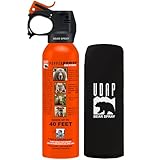
- Carry bear spray and know how to use it. It’s your best defense if an encounter happens.
- Keep a clean campsite. Trash is a major attractant.
Always carry bear spray and know how to use it; it’s your best defense if an encounter happens.
What to check first (do this before you drive out)
Before you even load the car, get the intel. This is non-negotiable.
- Land manager / legality: Who runs the show? Is it the US Forest Service, BLM, National Park Service, or a state park? They set the rules. Some areas require specific bear-resistant food storage. Check their website. It’s the law, and it keeps you and the bears safe.
- Access/road conditions: How rough is the road in? A standard sedan might be fine for a paved park road, but a forest service road might demand AWD or high clearance. Don’t get stuck miles from nowhere with a hungry bear wandering by. Check recent reports if possible.
- Fire restrictions + weather + wind: Bears are often more active when it’s hot and dry. Fire restrictions mean no campfires, so you need a solid cooking plan. Wind can carry scents far, so be extra vigilant with food storage on breezy days. Check the forecast for the specific area you’re heading to.
- Water plan + waste plan (Leave No Trace): You need potable water and a plan for human waste. Pack it in, pack it out. This applies to all trash, including food scraps and wrappers. A clean camp is a safe camp.
- Safety (wildlife, distance to help, comms): Know what wildlife is common in the area. Bears are one, but so are rattlesnakes or moose. How far is the nearest ranger station or town? Do you have cell service? A satellite communicator is a good idea for remote trips.
Step-by-step (field workflow)
Here’s how you set up camp right, bear-wise.
1. Arrive and scout: Arrive at your campsite. Look for signs of bear activity – scat, tracks, dug-up areas.
- Good looks like: You’ve chosen a spot that feels secure, away from obvious game trails or berry patches.
- Common mistake: Picking the first flat spot you see without checking the surroundings. This might put you right in a bear’s usual path.
2. Set up sleeping area: Pitch your tent on a clear, flat spot, ideally at least 100 yards (or more) from your cooking and food storage area.
- Good looks like: Your tent is a sanctuary, separate from any food odors.
- Common mistake: Setting up your tent right next to where you plan to cook or store food. Bears have an incredible sense of smell.
3. Establish cooking zone: Designate a cooking and eating area, again, well away from your tent.
- Good looks like: This area is clearly defined and where all food-related activities happen.
- Common mistake: Wandering around eating snacks, leaving a trail of scent.
4. Store food and scented items: This is the big one. Use a bear-resistant canister, hang a bear bag properly, or utilize a bear box if provided. Store everything scented: food, toiletries, garbage, even your clothes if you cooked in them.
- Good looks like: Your food is inaccessible to a bear, hung at least 10-15 feet off the ground and 4 feet away from the trunk.
- Common mistake: Leaving food in your car, or not storing toiletries. Bears will chew through car doors for a granola bar.
5. Cook and eat: Prepare and consume your meals in your designated cooking zone.
- Good looks like: You’re focused on cooking and eating, minimizing the chance of spills.
- Common mistake: Multitasking while cooking, leading to dropped food or uncleaned pots.
6. Clean up immediately: Wash dishes, wipe down surfaces, and pack all food scraps and trash into your bear-resistant container or bag.
- Good looks like: Your cooking area is spotless, with no lingering food smells.
- Common mistake: Leaving dirty dishes to soak overnight, or tossing food scraps “just over there.”
7. Secure trash: Ensure your trash is in the bear-resistant container. Don’t leave it sitting out.
- Good looks like: The trash is fully contained and inaccessible.
- Common mistake: Leaving a trash bag tied to a tree, thinking it’s secure.
8. Make noise while hiking: When moving around the campsite or hiking, make noise. Talk, sing, clap.
- Good looks like: You’re creating enough sound to alert wildlife to your presence.
- Common mistake: Hiking in silence, especially in dense brush or near noisy streams, where bears might not hear you coming.
9. Keep pets secure: If you have a dog, keep it leashed at all times and fed away from your main food storage. A dog can provoke a bear or attract one.
- Good looks like: Your pet is under control and not adding to potential bear attractants.
- Common mistake: Letting your dog roam free, which can lead to trouble for both the dog and you.
10. Sleep soundly: Go to bed knowing your campsite is clean and food is secured.
- Good looks like: You feel confident in your food storage and campsite management.
- Common mistake: Doubting your storage methods and bringing a snack into your tent “just in case.”
Common mistakes (and what happens if you ignore them)
| Mistake | What it causes | Fix |
|---|---|---|
| Leaving food in tent | Bears attracted to tent, potential damage, injury to camper. | Store all food and scented items in bear-resistant containers or hang them properly. |
| Not cleaning up cooking mess | Lingering food odors attract bears to camp. | Wash dishes and clean up all food scraps immediately after eating. |
| Improper bear bag hang | Bear can reach food, tear bag, and eat contents. | Hang food at least 10-15 feet high and 4 feet away from the trunk and 4 feet from any branches. |
| Storing food in car | Bears can break into cars for food, causing expensive damage and potential danger. | Use approved bear-resistant storage methods; cars are not bear-proof. |
| Cooking and sleeping in the same area | Odors from cooking and eating will migrate to your sleeping area. | Keep sleeping area at least 100 yards away from cooking and food storage areas. |
| Not making noise while hiking | Surprising a bear can lead to a defensive reaction. | Talk, sing, or clap to announce your presence while moving through bear country. |
| Leaving garbage unattended | Bears will scavenge garbage, associating your campsite with easy food. | Store all garbage in your bear-resistant container or bag. |
| Using scented toiletries in camp | Toothpaste, deodorant, and even some sunscreens can attract bears. | Store all scented items with your food. Use unscented products if possible. |
| Not knowing bear behavior | Misinterpreting a bear’s actions can lead to a dangerous situation. | Educate yourself on common bear behaviors and how to react appropriately. |
| Not carrying or knowing how to use bear spray | Lack of effective defense if an encounter escalates. | Carry bear spray and practice deploying it. Keep it accessible. |
Not carrying or knowing how to use bear spray can lead to a lack of effective defense if an encounter escalates. Always carry bear spray and practice deploying it.
Decision rules (simple if/then)
- If you see bear scat, then back away slowly and find a different spot because you’re too close to their territory.
- If the wind is strong, then double-check your food storage because scents travel further.
- If you plan to cook meat, then do it in your designated cooking zone and clean up thoroughly because strong smells are a big attractant.
- If you hear a noise at night, then stay in your tent and assess the situation calmly because startling a bear can be dangerous.
- If you encounter a bear on the trail, then stop, speak calmly, and back away slowly without running because running can trigger a chase response.
- If you are in grizzly country, then always carry bear spray and know how to use it because grizzlies are more unpredictable and dangerous.
- If you are camping in a designated campground with bear boxes, then use them because they are designed for your safety.
- If you are packing out all your trash, then ensure it’s sealed in a bear-resistant container or bag because bears can smell food through regular trash bags.
- If you are hiking with a dog, then keep it on a leash and close to you because a loose dog can provoke a bear.
- If you are unsure about food storage regulations, then check the land manager’s website before you go because rules vary by location.
- If you are going to be in bear country for an extended period, then consider bringing a bear-resistant cooler because they offer an extra layer of security.
If you are in grizzly country, then always carry bear spray and know how to use it because grizzlies are more unpredictable and dangerous.
FAQ
Q: How far away should my tent be from my cooking area?
A: Aim for at least 100 yards, or about the length of a football field. This separation helps keep food odors away from where you sleep.
Q: What if I don’t have a bear canister or a good tree for hanging?
A: Some areas require specific storage. Check with the land manager. If not, you might need to improvise a secure storage method, but it’s always best to use approved gear.
Q: Can bears smell food through my car?
A: Yes, they absolutely can. Bears have an incredible sense of smell and can often break into vehicles for food. Never leave scented items in your car.
Q: What’s the best way to make noise when hiking?
A: Talk, sing, or clap your hands periodically, especially when rounding blind corners or walking through dense vegetation. You want to give wildlife a heads-up you’re coming.
Q: What should I do if a bear approaches my campsite?
A: Don’t panic. Speak in a calm voice, make yourself look big, and slowly back away. Never run. If it’s a black bear, try to scare it off by shouting and making noise. For grizzlies, try to appear non-threatening and back away.
Q: Is it okay to leave my camp for a few hours if my food is secured?
A: Yes, as long as your food and all scented items are properly stored and secured. The key is that your entire camp remains clean and odor-free when you’re not actively using it.
Q: Do I need bear spray in all bear country?
A: It’s highly recommended in any area where black bears or grizzly bears are present. It’s your most effective defense if an encounter becomes dangerous.
It’s highly recommended to carry bear spray in any area where black bears or grizzly bears are present, as it’s your most effective defense if an encounter becomes dangerous.
Q: What if I accidentally drop food while cooking?
A: Clean it up immediately. Don’t leave any crumbs or scraps behind. This is part of maintaining a clean camp.
What this page does NOT cover (and where to go next)
- Specific bear identification and behavior: This guide offers general advice. Learn to identify the difference between black bears and grizzlies, as their behavior and your response can differ.
- Detailed first aid for bear encounters: While unlikely, knowing basic first aid for injuries is always smart for any outdoor activity.
- Advanced camping skills: This focuses on bear safety. For general camping, explore topics like shelter building, navigation, and water purification.
- Legal regulations for specific parks/forests: Always check the official website for the specific area you’re visiting for the most up-to-date rules and regulations.

Camping Bob has spent over 20 years camping across the US — from BLM dispersed sites in the Southwest to KOA campgrounds in the Pacific Northwest. He writes practical, no-nonsense guides to help fellow campers get outdoors with confidence.