
How to Turn On Your Fire Pit Safely
Quick answer
- Always check current fire restrictions before you even think about lighting a fire.
- Know your fire pit type: propane, wood-burning, or portable.
- Clear a 10-foot radius around your fire pit of anything flammable.
- Have water and a shovel or extinguisher ready, no excuses.
- Never leave a fire unattended, not even for a minute.
- Ensure your fire is completely out and cold before leaving the area.
What to check first (do this before you drive out)
Before you even pack the s’mores supplies, hit the brakes and do some homework. This isn’t just about convenience; it’s about not becoming a wildfire statistic.
- Land manager / legality: Who’s in charge of the land where you plan to camp or park your fire pit? Is it National Forest, BLM, a state park, or private land? Each has its own set of rules. A quick look at the managing agency’s website is usually all it takes. Don’t assume anything. I learned that the hard way once with a “dispersed camping” spot that had a surprise ban.
- Access/road conditions: Can your rig actually get to your chosen spot? Is it a paved road, a gravel track, or a full-on rocky trail? Check recent reports or call the ranger station if you’re unsure. A 2WD sedan isn’t going to make it up a muddy logging road after a rain. Know your vehicle’s limits.
- Fire restrictions + weather + wind: This is non-negotiable. Fire bans are common, especially in dry seasons. Check the official alerts for the area. Also, look at the forecast. High winds are a fire’s best friend – and your worst enemy. If it’s gusty, pack the fire pit away and enjoy a cold beverage instead. Seriously.
- Water plan + waste plan (Leave No Trace): You need a reliable way to extinguish your fire completely. That means a good supply of water, not just a half-empty Nalgene. And what about trash? Pack it in, pack it out. Your fire pit area should look as good, if not better, when you leave.
- Safety (wildlife, distance to help, comms): Be aware of your surroundings. Are there bears or other critters around? Keep food secured. How far are you from a ranger station or town? Cell service is often spotty. Let someone know your general plans and when you expect to be back.
Step-by-step (field workflow)
Alright, you’ve done your checks. Now, let’s get that fire going safely.
1. Choose your spot.
- What to do: Select a level, clear area, away from trees, bushes, dry grass, and overhanging branches. Ideally, use an established fire ring if available.
- What “good” looks like: A designated fire pit or a wide-open space with no flammable materials within 10 feet.
- Common mistake: Setting up too close to trees or dry vegetation. This is how small fires become big problems, fast. Always err on the side of more space.
2. Clear the area.
- What to do: Use a shovel or your hands to remove all leaves, pine needles, grass, and other debris within a 10-foot radius around the fire pit. Dig down to bare dirt if necessary.
- What “good” looks like: A clean circle of bare earth, at least 10 feet across, surrounding your fire pit.
- Common mistake: Thinking a quick sweep is enough. Those tiny embers can travel and ignite hidden fuel. Be thorough.
3. Prepare your fire pit.
- What to do: For portable pits, ensure it’s on a stable, level surface. For in-ground fires, ensure the pit is dug to a reasonable depth. For propane, make sure the tank is securely connected.
- What “good” looks like: A secure, stable fire containment.
- Common mistake: Placing a portable fire pit on uneven ground or too close to the vehicle. It’s a tip-over waiting to happen.
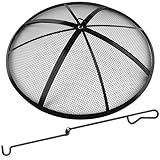
Consider adding a fire pit spark screen to your setup for an extra layer of safety, especially in windy conditions.
4. Gather your fuel (for wood fires).
- What to do: Collect only dead and downed wood. Small twigs for kindling, slightly larger pieces for fuel. Don’t cut live trees or branches.
- What “good” looks like: A neat pile of dry, dead wood of various sizes, ready to go.
- Common mistake: Burning green wood or carrying in firewood from another region (which can spread invasive pests). Stick to local, dead, downed.
5. Have extinguishing materials ready.
- What to do: Keep a bucket of water and a shovel or a fire extinguisher within arm’s reach.
- What “good” looks like: Tools for immediate fire suppression are right next to you.
- Common mistake: “I’ll grab the water later.” No. Have it ready before you light anything.
6. Light the fire.
- What to do: For wood fires, place kindling in the center, light it, and gradually add larger pieces as the flames catch. For propane, follow the manufacturer’s instructions (usually turning on the gas and then igniting).
- What “good” looks like: A controlled flame that stays within the pit.
- Common mistake: Using too much accelerant (like gasoline) on a wood fire. This is incredibly dangerous and unpredictable. Stick to matches or a lighter.
7. Tend the fire.
- What to do: Keep the fire manageable. Don’t let it get too big. Add wood gradually.
- What “good” looks like: A pleasant, contained fire that provides warmth or ambiance without getting out of control.
- Common mistake: Throwing on a ton of wood at once, creating a bonfire. Smaller, hotter fires are more efficient and safer.
When tending to your fire, a good pair of heat resistant gloves can protect your hands from stray sparks and heat.

8. Never leave it unattended.
- What to do: Stay with your fire at all times. If you need to step away, even for a moment, put the fire out first.
- What “good” looks like: Eyes on the fire, or the fire is safely extinguished.
- Common mistake: Stepping into the tent “just for a minute” or walking to the car. Embers can fly.
9. Extinguish the fire properly.
- What to do: Pour water on the embers and ashes, stirring them with a shovel. Repeat until everything is cool to the touch. For propane, turn off the gas valve completely.
- What “good” looks like: Cold ashes. No heat, no smoke, no glowing embers. You should be able to run your hand through it without getting burned.
- Common mistake: Thinking a little water is enough or just kicking dirt over it. This is the most common cause of escaped campfires. Drown, stir, and feel.
10. Pack out.
- What to do: Pack out all trash. If you built an in-ground fire, scatter the cold ashes and try to naturalize the area if regulations allow.
- What “good” looks like: The site looks like you were never there, or even better.
- Common mistake: Leaving trash behind or making a mess of the fire pit area. Leave No Trace is the law of the land.
Common mistakes (and what happens if you ignore them)
| Mistake | What it causes | Fix |
|---|---|---|
| Not checking fire restrictions | Fines, and potentially starting a wildfire that destroys homes and habitats. | Always check the land manager’s official website for current fire bans before you leave home. |
| Setting up too close to flammable items | A small spark can quickly become a large, uncontrollable wildfire. | Clear a minimum 10-foot radius around your fire pit down to bare dirt. More is always better. |
| Leaving a fire unattended | Embers can blow away and ignite dry grass or brush, starting a wildfire. | Never leave a fire burning, even for a minute. If you must leave, extinguish it completely first. |
| Inadequate water/extinguishing supply | Inability to put out a fire if it starts to spread or gets too big. | Have a full bucket of water and a shovel or extinguisher readily accessible <em>before</em> lighting the fire. |
| Using accelerants like gasoline | Unpredictable flare-ups, burns, and potential explosions. | Use matches or a lighter for wood fires. For propane, follow manufacturer instructions. |
| Not fully extinguishing the fire | Hot embers can reignite hours later, especially in windy conditions. | Drown the fire with water, stir the ashes with a shovel, and feel for heat until completely cold. |
| Burning green wood or live branches | Creates excessive smoke, burns poorly, and is often illegal and damaging. | Use only dead, downed wood found on-site (where permitted) or properly sourced firewood. |
| Building a fire in high winds | Sparks travel further and faster, drastically increasing wildfire risk. | If winds are strong, postpone your fire or use a portable pit with a lid and wind guards. |
| Not securing a portable fire pit | The pit can tip over, spilling burning coals and starting a fire. | Always place portable fire pits on level, stable ground away from anything flammable. |
| Assuming a fire is out because it looks dead | Hidden embers can smolder underground or in ash piles and reignite. | Drown, stir, and feel. Repeat until the ashes are stone cold. |
If you’re concerned about sparks, a fire pit spark screen can help contain them effectively.
Decision rules (simple if/then)
- If fire restrictions are in place, then do not build a fire because it’s illegal and dangerous.
- If the wind is gusting over 15-20 mph, then postpone building a fire because embers can travel unpredictably.
- If you’re in a dense forest with lots of dry underbrush, then ensure your clear zone is extra large because fire spreads rapidly in such environments.
- If you are using a portable fire pit, then check its stability before lighting because a tipped pit is a major hazard.
- If you brought firewood, then ensure it’s certified heat-treated or from a local source because transporting firewood can spread invasive species.
- If you see any signs of wildlife near your fire area, then secure your food and be extra vigilant because animals can be attracted to the warmth or food scraps.
- If you are unsure about the land ownership or rules, then err on the side of caution and skip the fire because ignorance is not a defense.
- If your fire starts to get too big, then use your water and shovel immediately to bring it back under control because a moment’s hesitation can lead to disaster.
- If you are camping with children or pets, then maintain extra distance between them and the fire because their curiosity can lead to accidents.
- If you plan to leave your campsite for more than a few minutes, then extinguish the fire completely because it’s the only way to guarantee safety.
- If you are in a high-risk fire zone (e.g., drought conditions), then consider skipping the fire altogether and enjoy a no-fire meal because safety always comes first.
FAQ
Q: What’s the difference between a campfire and a fire pit?
A: A campfire is typically a fire built directly on the ground, often in a designated ring. A fire pit is a portable or built-in structure designed to contain a fire, offering more control.
Q: Can I use accelerants like lighter fluid or gasoline to start my wood fire?
A: It’s strongly advised against. These can cause dangerous flare-ups and explosions. Stick to matches or a lighter for kindling.
Q: How do I know if the ashes are truly cold?
A: You need to feel them. Drown with water, stir with a shovel, and then carefully touch the ashes. If you feel any warmth, add more water and stir again.
Q: What if I can’t find a designated fire ring?
A: If regulations allow campfires and you can’t find a ring, use a portable fire pit on bare ground, or dig a pit down to mineral soil, ensuring a 10-foot clearance. Always check local rules first.
Q: Is it okay to burn trash in my fire pit?
A: Generally, no. Burning trash can release toxic fumes and leave behind harmful residues. Pack out all your trash.
Q: How far away from my tent should my fire pit be?
A: A minimum of 15-25 feet is a good rule of thumb, but always aim for more if possible, and ensure there are no overhanging branches.
Q: My portable fire pit has a lid. Can I just close it to put out the fire?
A: No. Closing the lid can trap heat and embers. Always extinguish the fire with water and stirring until cold before packing up.
Q: What if I accidentally start a small grass fire?
A: Act immediately. Use your water and shovel to smother the flames. If it starts to spread beyond your control, evacuate to a safe distance and call for help immediately.
What this page does NOT cover (and where to go next)
- Specific regulations for individual national parks, forests, or BLM lands. (Check the official land manager’s website for the area you plan to visit.)
- Detailed instructions for every type of propane fire pit or stove. (Refer to your product’s owner’s manual.)
- Advanced fire-starting techniques or building elaborate fire structures. (Look for wilderness survival guides.)
- Legal ramifications and fines for fire violations. (Consult local law enforcement or land management agencies.)
- How to forage for and identify safe firewood species. (Seek out local foraging experts or guides.)