
How to Stop Poison Oak from Spreading
Quick answer
- Identify poison oak correctly: “Leaves of three, let it be.”
- Wear protective clothing when in or near it.
- Wash yourself, your gear, and your pets thoroughly after potential exposure.
- Remove it from your yard or campsite using proper methods.
- Understand its growth habits to prevent regrowth.
- Be patient; it can be a persistent plant.
What to check first (do this before you drive out)
Before you even think about hiking or camping in an area known for poison oak, or if you’re dealing with it at home, a little prep goes a long way. It’s not just about avoiding a rash; it’s about preventing the spread.
- Land manager / legality: Who owns this patch of dirt? Is it public land managed by the US Forest Service, BLM, or a state park? Or is it your backyard? Knowing this tells you what rules might apply, especially if you plan on removing plants. For public lands, always check their specific regulations regarding vegetation removal. You don’t want to get a ticket for trying to be proactive.
- Access/road conditions: Is the area you’re heading to accessible without driving through dense brush? Poison oak loves to hide along trails and roadsides. If you’re driving to a trailhead, know if it’s a paved road or a bumpy dirt track. A standard sedan might be fine, or you might need that AWD and a bit of clearance. Getting stuck because you underestimated the road is a bad start.
- Fire restrictions + weather + wind: Poison oak can be burned, but burning it is a big no-no. The smoke carries the urushiol oil, the stuff that causes the rash, and it can get into your lungs. Always check current fire restrictions. Also, consider the weather. A windy day means the oil can travel further on dust or debris. Rain can wash oils around, but it can also make the ground slick.
- Water plan + waste plan (Leave No Trace): If you’re out in the backcountry, you need water. If you’re dealing with poison oak, you’ll need water to wash yourself and your gear. Plan for enough potable water, or a reliable purification method. For waste, pack it in, pack it out. This includes any plant material you might remove. Don’t just leave cuttings lying around where others (or you) might brush against them.
- Safety (wildlife, distance to help, comms): Poison oak isn’t the only hazard. Be aware of local wildlife. Know how far you are from medical help. Cell service can be spotty in the wilderness. Let someone know where you’re going and when you expect to be back. For poison oak specifically, carry a first-aid kit that includes something for skin irritation, just in case.
Step-by-step (field workflow)
Dealing with poison oak, whether you’re trying to avoid it on a hike or tackle it at home, follows a clear process. Stick to it, and you’ll be ahead of the game.
1. Identify the enemy:
- What to do: Learn to recognize poison oak. The classic saying is “Leaves of three, let it be.” Look for three leaflets, often with notched or toothed edges, growing on a single stem. It can grow as a vine, a shrub, or a ground cover.
- What “good” looks like: You can confidently point out poison oak and distinguish it from other plants.
- Common mistake: Mistaking it for a harmless plant, like Virginia creeper (which has five leaflets). This leads to exposure.
2. Gear up:
- What to do: If you know you’ll be in or near poison oak, wear long sleeves, long pants, closed-toe shoes, and gloves. Tuck your pants into your socks.
- What “good” looks like: Your skin is fully covered, and you feel protected from accidental contact.
- Common mistake: Wearing shorts and short sleeves, thinking it won’t be a problem. This is a direct invitation for a rash.
3. Minimize contact:
- What to do: Stick to trails. Avoid bushwhacking. If you’re working in your yard, plan your movements to avoid brushing against the plant.
- What “good” looks like: You navigate through the area without touching any part of the poison oak plant.
- Common mistake: Wandering off-trail or cutting through dense vegetation without awareness. This increases your chances of contact.
4. Wash immediately after exposure:
- What to do: As soon as possible after potential contact, wash your skin with soap and cool water. Scrub gently. A specific poison oak cleanser can be more effective.
- What “good” looks like: You’ve thoroughly washed all exposed skin, reducing the oil’s ability to bind.
- Common mistake: Waiting too long to wash, or just rinsing with water. The urushiol oil needs soap to be removed effectively.
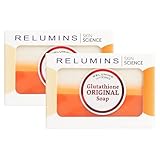
When washing immediately after exposure, consider using a specialized urushiol removal soap for more effective cleansing.
5. Clean your gear:
- What to do: Wash clothing, tools, shoes, and anything else that might have touched the plant in hot, soapy water. Use a separate wash cycle for these items.
- What “good” looks like: All your equipment is free of urushiol oil, preventing secondary exposure.
- Common mistake: Throwing contaminated clothes in with other laundry or not cleaning tools properly. The oil can linger and transfer.
6. Wash your pets:
- What to do: If your pet has been in contact with poison oak, wash them with pet-safe shampoo. Wear gloves while doing this.
- What “good” looks like: Your pet is clean, and you haven’t transferred oil from them to yourself.
- Common mistake: Assuming pets are immune. They can carry the oil on their fur and transfer it to you.
7. Remove the plant (if on your property):
- What to do: For small infestations, wear gloves and pull the plants up by the roots. For larger areas, or if you’re not comfortable, consider professional removal or careful cutting and treating the stumps. Never burn poison oak.
- What “good” looks like: The plant is removed, and you’ve taken steps to prevent regrowth.
- Common mistake: Cutting the plant and leaving the cuttings, or not getting the roots. This allows it to regrow or spread.
8. Prevent regrowth:
- What to do: Monitor the area where you removed poison oak. Pull any new sprouts as soon as you see them. Consider planting ground cover that will outcompete it.
- What “good” looks like: The area is clear of poison oak, and you’re actively managing it to keep it that way.
- Common mistake: Thinking the job is done after the initial removal. Poison oak is tenacious.
Common mistakes (and what happens if you ignore them)
| Mistake | What it causes | Fix |
|---|---|---|
| Not identifying poison oak correctly | Accidental contact and exposure to urushiol oil. | Learn to identify it by its “leaves of three” and growth habits. |
| Wearing inadequate clothing | Direct skin contact with urushiol oil, leading to a rash. | Always wear long sleeves, pants, gloves, and closed-toe shoes when in potential areas. |
| Walking through poison oak patches | Transferring urushiol oil to clothing, skin, or gear. | Stay on marked trails and avoid bushwhacking through dense vegetation. |
| Delaying washing after contact | Urushiol oil binds to skin, causing a more severe and widespread rash. | Wash exposed skin thoroughly with soap and cool water as soon as possible. |
| Not cleaning contaminated gear | Lingering urushiol oil can cause secondary exposure days or weeks later. | Wash all clothing, tools, and footwear in hot, soapy water separately. |
| Burning poison oak | Inhaling urushiol oil in smoke, causing severe respiratory irritation. | Never burn poison oak. Dispose of removed plant material by bagging and disposing of it properly. |
| Not cleaning pets | Pets can carry urushiol oil on their fur, transferring it to humans. | Wash pets with a pet-safe shampoo if they’ve been in contact with poison oak. |
| Cutting poison oak without removing roots | The plant will likely regrow from the remaining root system. | Pull by the roots for small plants; for larger ones, treat the stump or consider professional help. |
| Ignoring new sprouts after removal | Poison oak will re-establish itself, undoing your hard work. | Regularly monitor treated areas and remove any new growth promptly. |
| Relying solely on over-the-counter creams | These treat symptoms but don’t remove the oil or prevent spread. | Focus on prevention and thorough washing first; use creams for symptom relief afterward. |
To effectively remove urushiol oil after contact, always wash thoroughly with a dedicated urushiol removal soap.
Decision rules (simple if/then)
- If you see “leaves of three,” then stop and assess before proceeding because that’s the most common indicator of poison oak.
- If you are hiking in a wooded or overgrown area, then wear long sleeves and pants because it’s better to be overprepared than itchy.
- If you’ve brushed against plants you can’t identify, then wash your skin immediately with soap and water because the urushiol oil is easier to remove before it binds.
- If your dog has been running off-leash in a brushy area, then give them a good bath (with gloves!) because they can carry the oil on their fur.
- If you are planning to clear poison oak from your yard, then wear disposable gloves and long sleeves because you don’t want the oil on your reusable gear.
- If you are removing poison oak, then do NOT burn it because the smoke can cause serious lung damage.
- If you find a small patch of poison oak on a trail, then try to step over or around it rather than cutting through it because you don’t want to spread it further.
- If you are camping and notice poison oak near your tent site, then clear the immediate area cautiously or choose a different spot because you don’t want to be exposed all night.
- If you’ve been exposed, then wash your tools and boots separately because urushiol oil can remain active for a long time.
- If you are unsure about identifying the plant, then err on the side of caution and treat it as poison oak because a false alarm is better than a rash.
- If you plan on removing a large infestation, then consider hiring a professional because they have the right equipment and knowledge to do it safely and effectively.
If you’ve brushed against plants you can’t identify, wash your skin immediately with a good urushiol removal soap and water.
FAQ
What exactly is urushiol?
Urushiol is an oily resin found in poison oak, poison ivy, and poison sumac. It’s what causes the allergic reaction and the itchy rash on your skin.
How long does poison oak rash last?
The rash typically lasts one to three weeks. The severity depends on your individual sensitivity and the amount of urushiol you were exposed to.
Can poison oak spread through the air?
No, the oil itself doesn’t become airborne. However, burning poison oak releases urushiol into the smoke, which can then be inhaled and cause severe respiratory problems.
Is poison oak contagious?
The rash itself is not contagious. You cannot catch it from touching someone’s rash. However, you can get a rash if you touch something that still has the urushiol oil on it.
What’s the best way to remove poison oak from my yard?
For small plants, carefully pull them up by the roots, wearing protective gear. For larger infestations, consider cutting the plant and treating the stump with an herbicide, or hire a professional.
Can I get poison oak from dead plants?
Yes, the urushiol oil can remain active on dead plants for months or even years, so always treat dead plants with the same caution as live ones.
Are some people immune to poison oak?
While some people may have a milder reaction, it’s rare to be completely immune. Sensitivity can also change over time, so even if you haven’t reacted before, you might in the future.
What if I get poison oak on my clothing and wash it? Is it safe?
Yes, washing clothes thoroughly in hot, soapy water should remove the urushiol oil. It’s best to wash contaminated items separately from other laundry.
What this page does NOT cover (and where to go next)
- Detailed medical treatment protocols for severe reactions.
- Specific chemical herbicides and their application methods.
- Identification of poison ivy and poison sumac.
- Advanced landscaping techniques for reclaiming heavily infested areas.
- Legal ramifications of plant removal on protected lands.

Camping Bob has spent over 20 years camping across the US — from BLM dispersed sites in the Southwest to KOA campgrounds in the Pacific Northwest. He writes practical, no-nonsense guides to help fellow campers get outdoors with confidence.