
How to Repel Daddy Long Leg Spiders: Step-by-Step Guide
Quick answer
- Daddy long legs (cellar spiders) are mostly harmless and eat other bugs.
- Seal up cracks and entry points around your home.
- Keep your yard tidy to reduce hiding spots.
- Use natural repellents like peppermint oil or vinegar.
- Address moisture issues, as they like damp areas.
- Vacuum up webs and spiders regularly.
- Consider professional pest control if the problem is severe.
What to check first (do this before you drive out)
Before you even think about tackling a daddy long leg spider situation, let’s get the lay of the land. This isn’t about setting up camp, but it’s about understanding your environment.
- Identify the “spider”: First off, are we talking about the actual cellar spider (Pholcidae family), or the harvestman (Opiliones order)? They look similar, but harvestmen aren’t spiders at all and have one body segment instead of two. Cellar spiders are the ones with the long, thin legs and small bodies. The good news is, neither are venomous to humans. But knowing what you’re dealing with helps.
- Assess the infestation: How many are we talking? A stray one in the garage is one thing. A dozen in the living room? That’s a different ballgame. A quick sweep with your eyes can tell you if this is a minor nuisance or a full-blown invasion.
- Check for food sources: Spiders are there because there’s food. Are you seeing other small insects around? Gnat issues? Ants? These are the snacks that are attracting your long-legged guests.
- Look for entry points: Where are they coming in? Cracks in the foundation, gaps around windows and doors, vents, utility penetrations – these are all prime real estate for spiders looking for a cozy home.
- Moisture levels: Spiders, especially cellar spiders, like it damp. Basements, crawl spaces, bathrooms, and areas with leaky pipes are favorite hangouts. Is there a musty smell? Are surfaces consistently wet?
Step-by-step (field workflow)
Alright, let’s get down to business. This is how you reclaim your space from those spindly critters.
1. Seal the perimeter:
- What to do: Go around the outside of your house and seal up any cracks or holes you find in the foundation, walls, and around window and door frames. Use caulk or expanding foam.
- What “good” looks like: A solid, unbroken seal that prevents anything from crawling or squeezing inside. No gaps, no holes.
- Common mistake: Rushing the job and missing small openings. A tiny crack is all a spider needs. Take your time and be thorough.
2. Tidy up the exterior:
- What to do: Clear away leaf litter, woodpiles, and debris from the foundation of your house. Trim back bushes and trees so they aren’t touching the walls.
- What “good” looks like: A clean, clear buffer zone around your home. This removes hiding places and makes your house less appealing.
- Common mistake: Leaving piles of wood or junk right against the house. That’s a spider hotel, plain and simple.
3. Address indoor moisture:
- What to do: Fix any leaky pipes or faucets. Ensure good ventilation in damp areas like bathrooms and basements. Consider a dehumidifier if needed.
- What “good” looks like: Dry, well-ventilated spaces. No standing water or persistent dampness.
- Common mistake: Ignoring a leaky basement pipe, thinking it’s “just a little drip.” That drip is a spider spa.
4. Declutter indoors:
- What to do: Go through storage areas, basements, and attics. Get rid of old boxes, newspapers, and general clutter where spiders like to hide and build webs.
- What “good” looks like: Open, accessible spaces with minimal piles of stuff. You can easily see if anything is lurking.
- Common mistake: Storing things in dark, dusty corners without checking them. Those forgotten boxes are prime real estate.
5. Regular vacuuming:
- What to do: Use a vacuum cleaner with a hose attachment to suck up webs, egg sacs, and any spiders you see. Pay attention to corners, ceilings, and behind furniture.
- What “good” looks like: A spider-web-free zone. You’re actively removing them and their nurseries.
- Common mistake: Only vacuuming the visible webs. You need to get the spiders and their eggs too.
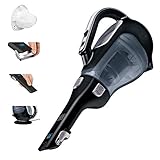
For effective web and spider removal, consider using a powerful handheld vacuum cleaner with a crevice tool to reach tight spots.
6. Natural repellent application:
- What to do: Mix peppermint oil, tea tree oil, or white vinegar with water in a spray bottle. Lightly spray around windows, doors, and known entry points.
- What “good” looks like: A fresh scent that spiders dislike, creating a deterrent zone.
- Common mistake: Using too much, making surfaces sticky or discolored. A light mist is usually enough.
7. Seal vents and openings:
- What to do: Install fine mesh screens over vents and any other openings that allow small creatures in.
- What “good” looks like: Protected entry points that still allow airflow but block pests.
- Common mistake: Leaving attic or crawl space vents open and unprotected. They’re basically welcome mats for bugs.
8. Inspect items brought inside:
- What to do: Before bringing firewood, plants, or boxes into your home, give them a good shake and inspection.
- What “good” looks like: No hitchhikers making the journey indoors with your stuff.
- Common mistake: Unloading firewood directly into the house without checking it. That’s an express ticket for spiders.
Common mistakes (and what happens if you ignore them)
| Mistake | What it causes | Fix |
|---|---|---|
| Not sealing entry points | Spiders and other pests continue to enter your home freely. | Thoroughly caulk all cracks and gaps around windows, doors, and foundations. |
| Leaving clutter indoors/outdoors | Provides ample hiding and nesting spots for spiders, making them harder to find. | Declutter regularly and keep the area around your home clear of debris and excess vegetation. |
| Ignoring moisture issues | Creates attractive, damp environments where spiders and their prey thrive. | Fix leaks, improve ventilation, and use dehumidifiers in damp areas like basements and crawl spaces. |
| Relying solely on chemical sprays | Can be ineffective long-term, may harm beneficial insects, and doesn’t address the root cause. | Combine targeted natural repellents with habitat modification and exclusion. |
| Not vacuuming regularly | Allows webs and egg sacs to accumulate, leading to more spiders over time. | Make vacuuming corners, ceilings, and hidden areas a routine part of your cleaning schedule. |
| Bringing in firewood without inspection | Introduces spiders and their eggs directly into your living space. | Inspect and shake out firewood outdoors before bringing it inside. |
| Over-spraying natural repellents | Can leave sticky residue, discolor surfaces, and be overwhelming. | Use a light mist and test in an inconspicuous area first. |
| Assuming all “daddy long legs” are the same | Using the wrong approach for a harvestman versus a cellar spider. | Learn to distinguish between them; focus on exclusion and habitat control for both. |
| Not checking items brought from outside | Unknowingly transporting spiders and their eggs into your home. | Inspect plants, boxes, and outdoor gear before bringing them indoors. |
Decision rules (simple if/then)
- If you see more than five daddy long legs in a single room, then consider a more aggressive approach because it indicates a potential breeding or entry point issue.
- If you have a persistent damp smell in your basement, then investigate for leaks or poor drainage because moisture attracts spiders and their food.
- If you’re using peppermint oil and don’t smell it anymore, then reapply because the scent fades and its repellent effect diminishes.
- If you find egg sacs, then vacuum them up immediately because they contain multiple spiderlings ready to hatch.
- If you’re trying to seal a large crack, then use expanding foam because caulk might not be sufficient for bigger openings.
- If your yard has overgrown bushes touching the house, then trim them back because they act as bridges for spiders to climb onto your home.
- If you’re hesitant about DIY pest control, then consider calling a professional because they have tools and knowledge for tougher infestations.
- If you find spiders near a specific window, then focus your sealing and repellent efforts on that area because it’s a likely entry point.
- If you have pets or small children, then use natural repellents cautiously and ensure they don’t ingest them because safety first.
- If you’re seeing other small insects frequently, then address that pest problem first because removing their food source will naturally reduce spider populations.
FAQ
Are daddy long leg spiders dangerous?
No, daddy long leg spiders (cellar spiders) are not considered dangerous to humans. They are venomous but their fangs are too small to penetrate human skin effectively, and they are not aggressive.
What do daddy long legs eat?
They primarily eat other insects and spiders. This includes common household pests like flies, gnats, mosquitoes, and even other spiders.
Why are there so many daddy long legs in my house?
An abundance of daddy long legs usually means there’s a good food source (other insects) and suitable living conditions, like damp or dark areas, and plenty of places to hide and build webs.
Can I use essential oils to repel them?
Yes, many people find success using essential oils like peppermint, tea tree, or eucalyptus. Mix a few drops with water in a spray bottle and apply around entry points.
How often should I vacuum for spiders?
Regular vacuuming, at least weekly, especially in corners, behind furniture, and in basements or attics, is recommended to remove webs, egg sacs, and spiders.
What’s the difference between a daddy long legs spider and a harvestman?
While both have long legs, daddy long legs are true spiders with two body segments and silk-producing spinnerets. Harvestmen (or “granddaddy long legs”) are arachnids but not spiders; they have one fused body segment and no silk.
Should I be worried about daddy long legs in my garden?
Generally, no. In the garden, they are beneficial predators that help control other insect populations. It’s usually when they move inside that people want them gone.
What if natural methods aren’t working?
If you’ve tried sealing, cleaning, and natural repellents without success, it might be time to consider professional pest control services for a more targeted approach.
What this page does NOT cover (and where to go next)
- Detailed chemical pest control products and their application.
- Identification guides for specific spider species beyond the common “daddy long legs.”
- Advanced home sealing techniques for severe structural issues.
- Information on controlling other types of household pests that may attract spiders.
- The ecological role of spiders in outdoor environments.

Camping Bob has spent over 20 years camping across the US — from BLM dispersed sites in the Southwest to KOA campgrounds in the Pacific Northwest. He writes practical, no-nonsense guides to help fellow campers get outdoors with confidence.