
How to Properly Clean Your Sleeping Bags
Quick answer
- Spot clean when you can. It’s easier and better for the bag.
- Check the care tag. Seriously, don’t skip this.
- Use a front-loading washer. Top-loaders can wreck your bag.
- Gentle soap is key. No harsh chemicals or bleach.
- Air dry is best. Tumble dry on low with tennis balls if needed.
- Store it loose. Stuff sacks are for transport, not long-term.
What to check first (do this before you drive out)
Before you even think about stuffing that bag into its sack, give it a good once-over. A little prep goes a long way to keeping your bag in top shape for all those chilly nights.
- Land manager / legality: Who’s in charge of the patch of dirt you’re camping on? Is it National Forest, BLM land, a State Park, or private property? Each has its own set of rules, especially around campfires and waste disposal. A quick check of the managing agency’s website is usually all it takes. I learned that lesson the hard way once, nearly getting a ticket for setting up camp in the wrong spot.
- Access/road conditions: Is that “road” to your campsite actually passable? Check recent reports if you can. A sturdy 4WD with good clearance is different from a car you’d take to the grocery store. Mud, snow, or even just deep ruts can turn a fun drive into a tow-truck situation.
- Fire restrictions + weather + wind: This is non-negotiable. Are campfires allowed? What about stoves? Check the local fire restrictions. Then, look at the weather forecast. High winds can make a cozy campsite miserable and dangerous. And always pack layers.
- Water plan + waste plan (Leave No Trace): Where will you get water? Is it potable, or do you need to filter/treat it? And what about waste? Pack it in, pack it out. This includes food scraps, trash, and human waste. Following Leave No Trace principles keeps these wild places wild.
- Safety (wildlife, distance to help, comms): Know what critters might be around and how to store your food properly. How far are you from the nearest ranger station or town? Do you have cell service? A satellite messenger is a good backup for remote trips.
Step-by-step (field workflow)
This is about keeping your bag clean on the trail, not a deep clean. Think of it as maintenance.
1. Inspect for obvious dirt/debris.
- What to do: Lay your bag out flat in good light. Look for mud, leaves, twigs, or anything stuck to the fabric.
- What “good” looks like: You can see the bag’s fabric clearly, no obvious foreign objects clinging to it.
- Common mistake: Just stuffing it back in the sack without a quick look. You end up grinding dirt into the fabric over time.
2. Brush off loose debris.
- What to do: Use a soft brush (an old toothbrush works great) or a dry cloth to gently brush away any loose dirt, sand, or pine needles.
- What “good” looks like: All the superficial bits are gone. The fabric feels clean to the touch.
- Common mistake: Using a stiff brush that could snag or damage the fabric. Be gentle.
3. Address small stains with a damp cloth.
- What to do: Dampen a clean cloth with plain water. Gently blot at any small, fresh stains.
- What “good” looks like: The stain is lightened or gone without rubbing the fabric excessively.
- Common mistake: Rubbing a stain hard, which can spread it or damage the waterproof coating.
4. Use a dedicated sleeping bag cleaner for tougher spots.
- What to do: If you have a small, stubborn spot, use a tiny amount of specialized sleeping bag cleaner or a very mild, down-safe soap on your damp cloth.
- What “good” looks like: The spot is effectively removed with minimal product and gentle blotting.
- Common mistake: Using regular laundry detergent or dish soap, which can strip natural oils from down or damage synthetic insulation.
For those tougher spots, consider using a dedicated sleeping bag cleaner like this one to protect your bag’s delicate materials.

5. Rinse the spot gently.
- What to do: Use a clean, damp cloth (just water) to blot away any soap residue from the cleaned spot.
- What “good” looks like: No soap is visible or feels soapy.
- Common mistake: Leaving soap residue, which can attract dirt and reduce the bag’s loft.
6. Air out the bag.
- What to do: Whenever you have a chance (like at a sunny campsite during the day), hang your bag up to let it air out.
- What “good” looks like: The bag smells fresh and feels dry.
- Common mistake: Storing a damp or slightly musty bag. This leads to mildew and smells that are hard to get rid of.
7. Dry thoroughly if it gets truly wet.
- What to do: If your bag gets soaked, the best bet is to dry it completely at home. Lay it flat or hang it in a well-ventilated area.
- What “good” looks like: The bag is completely dry, with no damp spots, especially in the seams or thicker areas.
- Common mistake: Trying to use a damp bag. This is uncomfortable and can lead to mildew.
8. Fluff the insulation.
- What to do: Once dry, gently shake and fluff the insulation to restore its loft.
- What “good” looks like: The bag feels puffy and full, not clumpy.
- Common mistake: Not fluffing, which leaves the insulation compressed and less effective.
Common mistakes (and what happens if you ignore them)
| Mistake | What it causes | Fix |
|---|---|---|
| Washing in a top-loading machine | Agitator can tear seams, snag fabric, and compress insulation. | Use a front-loading machine or a large-capacity commercial one. |
| Using harsh detergents or bleach | Strips natural oils from down, degrades synthetic insulation, fades color. | Use specialized down wash or mild, non-detergent soap. |
| Not rinsing thoroughly | Soap residue attracts dirt, reduces loft, and can irritate skin. | Rinse multiple times until water runs clear and no suds are visible. |
| Machine drying on high heat | Can melt synthetic insulation, damage fabric, and shrink the bag. | Use low heat or air fluff setting. |
| Not drying completely | Mildew, mold, and a persistent musty smell that’s hard to remove. | Ensure bag is bone dry before storing; can take days. |
| Storing the bag stuffed in its compression sack | Compresses insulation permanently, reducing loft and warmth over time. | Store loosely in a large cotton sack or hang it in a closet. |
| Spot cleaning with the wrong product | Can leave residue, damage coatings, or be ineffective. | Use water first, then specialized cleaners if needed. |
| Over-washing | Reduces the lifespan of the bag by wearing out insulation and fabric. | Wash only when necessary; spot clean and air out more frequently. |
| Ignoring the care tag | Using the wrong method can ruin the bag. | Always read and follow the manufacturer’s specific instructions. |
| Not drying down bags properly | Down clumps, loses loft, and can become permanently damaged and smelly. | Use a dryer on low heat with tennis balls to break up clumps. |
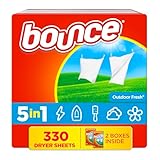
When machine drying, especially for down bags, using dryer balls can help fluff the insulation and prevent clumping.
Decision rules (simple if/then)
- If you see mud, then spot clean it now because it’s easier to get out when fresh.
- If the care tag says “Dry Clean Only,” then take it to a professional cleaner experienced with outdoor gear because home washing can ruin it.
- If you’re washing a down bag, then use a specialized down wash because regular detergents strip the natural oils.
- If you’re washing a synthetic bag, then a mild, non-detergent soap is okay, but still gentle.
- If your bag smells a little funky after a trip, then air it out thoroughly before storing because a damp bag breeds mildew.
- If you spilled coffee on your bag, then blot it immediately with a damp cloth because it prevents a stain from setting.
- If you’re unsure about your washing machine, then use a large-capacity commercial front-loader because they’re gentler.
- If you’re drying a down bag in the dryer, then add clean tennis balls because they help break up clumps of down and restore loft.
- If the bag is truly soaked, then plan for a long drying time, possibly several days, because trapped moisture is the enemy.
- If you are washing a bag with a water-repellent finish, then avoid fabric softeners because they can ruin that finish.
FAQ
How often should I wash my sleeping bag?
Wash it only when it’s noticeably dirty, smells bad, or its loft has decreased significantly. Over-washing can damage the insulation and fabric.
Can I use my regular laundry detergent?
No, most regular detergents are too harsh. They can strip natural oils from down insulation and degrade synthetic materials. Use specialized down wash or a mild, non-detergent soap.
What’s the deal with using tennis balls in the dryer?
When drying down bags, clean tennis balls (or dryer balls) help to fluff up the insulation and prevent it from clumping together. This restores the bag’s loft and warmth.
To help restore loft and prevent clumping, using clean dryer balls in the dryer is a great trick for down sleeping bags.
My down bag smells musty. What do I do?
A musty smell usually means it wasn’t dried completely or has been stored damp. Wash it with a down wash, rinse thoroughly, and dry it on low heat with tennis balls until absolutely bone dry. Airing it out in the sun can also help.
How should I store my sleeping bag long-term?
Never store it stuffed in its compression sack. This permanently compresses the insulation, reducing its loft and warmth. Store it loosely in a large cotton bag or hang it in a closet.
What if my bag has a waterproof coating?
Be careful with cleaning products. Avoid fabric softeners and harsh detergents, as they can degrade the waterproof/water-repellent finish. Specialized cleaners are best.
My synthetic bag feels lumpy after washing. What happened?
This can happen if the insulation shifted or didn’t dry evenly. Try to gently fluff it by hand. If it’s severe, a low-heat tumble dry with tennis balls might help redistribute the fill.
Is it okay to spot clean small spills?
Yes, absolutely. Spot cleaning is the best way to handle minor dirt and spills. Use a damp cloth with water, and if needed, a tiny bit of specialized cleaner, then rinse the area well.
What this page does NOT cover (and where to go next)
- Specific repair techniques for tears or broken zippers.
- Detailed guides on choosing the right sleeping bag for specific climates.
- In-depth reviews of different sleeping bag brands and models.
- Advanced insulation technologies and their performance characteristics.
- How to pack your sleeping bag for specific types of trips (e.g., backpacking vs. car camping).