
Folding Your Pop-Up Play Tent Made Simple
Quick answer
- Pop-up play tents are designed for quick setup and takedown.
- Most fold by compressing the frame and twisting.
- Always refer to the specific instructions for your tent model.
- Practice folding it once before you head to the campsite.
- Ensure the tent is dry and clean before packing.
- A carrying bag is usually included for easy storage and transport.
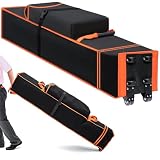
A good carrying bag is essential for protecting your tent and making transport easy. Consider upgrading to a durable pop up tent carrying bag if yours is worn.
What to check first (do this before you drive out)
Before you even think about packing up your pop-up play tent, a few crucial checks will save you headaches. This isn’t just about the tent; it’s about the whole outdoor experience.
- Land manager / legality: Who manages the land? Is it a National Park, National Forest, BLM land, or a state park? Each has its own rules about where you can camp and what you can bring. Always check the official website for the specific area you’re visiting. Some places might have specific requirements for temporary structures like play tents.
- Access/road conditions: Can your rig actually get there? A pop-up tent might be easy to fold, but getting to your campsite might be the real challenge. Check if the roads are paved, gravel, or just dirt tracks. Is high clearance or 4WD needed? Don’t get stuck miles from anywhere because you didn’t check the road report.
- Fire restrictions + weather + wind: This is huge. Are campfires allowed? Are there any burn bans in effect? Check the local fire danger levels and weather forecast. High winds can make setting up and taking down any tent a chore, and a sudden storm can ruin your day. Be prepared for what Mother Nature throws at you.
- Water plan + waste plan (Leave No Trace): Where will you get water, and how will you treat it? And what about waste? Pack it in, pack it out. This applies to everything, including food scraps and trash. Knowing your water and waste plan ensures you leave your campsite better than you found it. That’s the golden rule of camping.
- Safety (wildlife, distance to help, comms): What wildlife is common in the area? Know how to store food properly and what to do if you encounter animals. How far is the nearest ranger station or town? Do you have cell service, or do you need a satellite communicator? Better safe than sorry out there.
Step-by-step (field workflow)
Folding up a pop-up play tent is usually a breeze, but a little technique makes it even smoother. Here’s the general rundown.
1. Clear the area: Make sure the ground around the tent is clear of toys, rocks, or anything that could snag the fabric or get in the way.
- What “good” looks like: A clean, flat space with plenty of room to maneuver.
- Common mistake: Leaving toys inside or too close. This can scratch the tent material or make folding awkward. Always do a quick sweep.
2. Remove all contents: Take out any toys, blankets, or personal items from inside the tent.
- What “good” looks like: An empty, airy tent.
- Common mistake: Forgetting a small toy or a favorite stuffed animal. You don’t want to discover it later in your gear bag.
3. Locate the folding points: Most pop-up tents have a natural way they want to fold. Look for seams or reinforced areas that suggest where the frame will collapse.
- What “good” looks like: You can see the tent’s intended folding lines.
- Common mistake: Forcing the tent. These tents are designed to bend and twist easily. If it feels like you’re fighting it, you’re probably doing it wrong.
4. Compress the frame: Gently push the sides of the tent inwards, bringing opposite points of the frame closer together.
- What “good” looks like: The tent starts to naturally bow inwards, forming a more compact shape.
- Common mistake: Pushing too hard or unevenly. This can kink the poles or make the fabric bunch up. Be deliberate.
5. Twist and fold: With the frame compressed, you’ll typically twist your wrists in opposite directions. This action collapses the tent into a flat disc shape.
- What “good” looks like: The tent forms a neat, flat circle or oval.
- Common mistake: Not getting a good grip or twisting at the wrong angle. This can result in a messy, half-folded mess. Hold it firmly.
6. Secure the shape: Once it’s a flat disc, you’ll often find a strap or elastic band on the tent to hold it in this folded position.
- What “good” looks like: The tent is securely held in its compact disc form.
- Common mistake: Not using the strap. The tent will try to spring back open, making it difficult to pack.
7. Place in the carrying bag: Most pop-up tents come with a round carrying bag. Slide the folded tent disc into the bag.
- What “good” looks like: The tent fits easily into its designated bag.
- Common mistake: Trying to stuff a poorly folded tent into the bag. This can damage the bag and the tent.
If your original bag is damaged or lost, a replacement pop up tent carrying bag can keep your tent protected.
8. Zip up and go: Zip the carrying bag closed. You’re ready to store it or move it.
- What “good” looks like: A neatly packed tent, ready for transport.
- Common mistake: Leaving the bag unzipped. This can lead to items falling out or the tent shifting around.
Common mistakes (and what happens if you ignore them)
| Mistake | What it causes | Fix |
|---|---|---|
| Not reading the instructions | Frustration, potential damage to the tent or poles | Always check the specific instructions that came with your tent. They’re there for a reason. |
| Forcing the fold | Bent poles, torn fabric, a tent that won’t fold correctly again | Gently guide the tent; don’t manhandle it. It’s designed to collapse easily with the right twist. |
| Folding a wet or dirty tent | Mold, mildew, unpleasant smells, damaged fabric, dirt transfer to gear | Let the tent air dry completely and brush off any dirt before folding. |
| Not securing the folded shape | Tent springs open, making it hard to pack and potentially damaging it | Use the attached strap or elastic band to keep the tent in its folded disc shape. |
| Trying to fold it in a tight space | Difficulty maneuvering, snagging fabric, potential damage to tent or surroundings | Find an open area, preferably flat, to give yourself plenty of room to work. |
| Ignoring the natural folding lines | Awkward folding, potential for damage, difficulty achieving a compact shape | Observe the tent; it usually has natural creases where it wants to fold. Work with those. |
| Not removing all items from inside | Tangled items, torn fabric, lost toys | Do a thorough sweep of the interior before you start folding. |
| Packing a damaged tent | Further damage, potential for it to fail completely when needed | Inspect for tears or broken poles before packing. Make repairs if possible, or replace it. |
| Not using the carrying bag | Tent gets dirty, snagged, or lost; takes up more space | The bag is designed to protect and contain the folded tent. Use it! |
| Folding it in extreme weather (wind) | Tent blows away, fabric flaps violently, difficult to control | Wait for calmer conditions if possible. Secure the tent to the ground if you must fold in wind. |
If your existing pop up tent carrying bag is showing wear and tear, investing in a new, sturdy one can prevent further damage to your tent.
Decision rules (simple if/then)
- If the tent is wet, then let it air dry completely before folding because moisture can lead to mold and mildew.
- If you can’t find the folding points, then look for natural creases in the fabric because that’s where the frame is designed to collapse.
- If the tent springs open after folding, then make sure you’ve used the securing strap because it’s designed to hold the folded shape.
- If you’re in a windy spot, then weigh down the tent edges before folding because it can otherwise blow away or become difficult to manage.
- If you hear a “snap” or feel significant resistance, then stop folding because you might be about to break a pole or tear the fabric.
- If you’re unsure about the specific folding method, then check the manufacturer’s instructions because each model can have slight variations.
- If the tent is dirty, then brush off as much debris as possible before folding because you don’t want to pack dirt into your gear.
- If the tent doesn’t seem to be collapsing into a disc, then try a slightly different twisting motion because the angle is key.
- If you’re in a hurry, then still take a moment to fold it properly because a rushed job often leads to a messy pack or damage.
- If the carrying bag is ripped, then consider repairing it or finding a suitable replacement because a good bag protects your tent.
- If you’re packing multiple pop-up items, then keep their instructions together because you might forget how one folds.
- If you’re teaching kids how to fold it, then supervise closely because they might not grasp the technique right away.
Should your current carrying bag be ripped or no longer functional, consider a durable pop up tent carrying bag to ensure your tent remains protected during storage and transport.
FAQ
How long does it typically take to fold a pop-up play tent?
Usually, it takes just a minute or two once you get the hang of it. The design is all about speed and simplicity.
Do I need special tools to fold it?
Nope. Your hands are all you need. The tent is designed to be manipulated by twisting and compressing.
What if my tent doesn’t come with instructions?
Most manufacturers have their instructions available online. A quick search for your tent’s brand and model should help you find them.
Can I leave a pop-up tent set up overnight at a campsite?
Check the campsite rules. Some places allow it, while others might have restrictions, especially if it’s not your designated sleeping tent.
My tent is a bit stiff. Is that normal?
A little stiffness is okay, especially if it’s new. However, it should still be flexible enough to twist and fold without excessive force.
What if the poles get bent?
Minor bends can sometimes be straightened carefully. For severe bends or breaks, you might need to contact the manufacturer for replacement parts or consider a new tent.
How should I store it when I’m not camping?
Store it in its carrying bag in a dry, cool place. Avoid extreme temperatures or placing heavy objects on top of it.
Is it okay to fold it when it’s damp?
It’s best to avoid it. If you must, try to air it out as soon as possible to prevent mildew.
What this page does NOT cover (and where to go next)
- Specific campsite reservation procedures. (Check the relevant park or land management agency website.)
- Detailed reviews of individual pop-up tent brands. (Look for gear reviews from outdoor publications or trusted camping forums.)
- Advanced tent repair techniques for major damage. (Consult a professional gear repair service or consider purchasing a new tent.)
- In-depth guides to wilderness survival. (Seek out specialized survival training courses or books.)
- Permitting requirements for backcountry camping. (Contact the land management agency for the area you plan to visit.)

Camping Bob has spent over 20 years camping across the US — from BLM dispersed sites in the Southwest to KOA campgrounds in the Pacific Northwest. He writes practical, no-nonsense guides to help fellow campers get outdoors with confidence.