
Essential Safety: How to Properly Use Bear Spray
Quick answer
- Always carry bear spray where bears roam. Keep it accessible, not buried in your pack.
- Know how to deploy it before you need it. Practice drawing it.
- Aim for the bear’s face, not its body. Create a cloud.
- Use it only when a bear is charging or acting aggressively within 30 feet.
- Never spray yourself or your gear.
- Check expiration dates and maintenance requirements.
- Be aware of wind direction.
Before heading out, ensure you have a reliable bear spray. This essential tool can be a lifesaver in bear country.
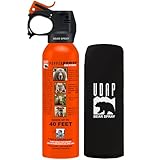
What to check first (do this before you drive out)
Before you even think about hitting the trail, let’s get a few things straight. This is about staying safe out there.
- Land manager / legality: Who’s in charge of this patch of dirt? Is it National Forest, BLM, a State Park? They set the rules. Some places might have specific regulations about bear spray, though it’s generally allowed where bears are present. Always a good idea to check the agency’s website for the area you’re heading to.
- Access/road conditions: How are you getting there? Is the road paved, gravel, or just a suggestion? If you’re in a standard sedan, you might need to park a lot sooner than you’d like. High-clearance or 4WD might be needed for some spots. Don’t get stuck miles from nowhere.
- Fire restrictions + weather + wind: This is crucial. Check the fire danger level. If it’s high, you might not be able to have a campfire, and sometimes fire restrictions extend to camp stoves. Weather can change fast. Rain can make trails slick. Wind? Big factor for bear spray. You don’t want that cloud blowing back in your face.
- Water plan + waste plan (Leave No Trace): Where will you get water? Filter or treat it. Pack out everything you pack in, including food scraps and toilet paper. Bears are attracted to smells, so proper waste disposal is key to avoiding encounters in the first place.
- Safety (wildlife, distance to help, comms): Know what wildlife is in the area. Bears are obvious, but think about snakes, moose, etc. How far are you from a ranger station or cell service? If something goes wrong, can you call for help? Carry a satellite communicator if you’re going deep.
Step-by-step (field workflow)
Alright, you’re in bear country. Here’s how to handle that spray.
1. Carry it correctly.
- What to do: Keep your bear spray in a holster on your hip or chest strap. Never in your backpack.
- What “good” looks like: You can draw it in under two seconds without looking. It’s immediately accessible.
- Common mistake: Storing it in your pack. You’ll waste precious seconds digging if a bear appears.
For easy access, consider a holster for your bear spray. This ensures it’s always within reach when you need it most.
2. Familiarize yourself with the can.
- What to do: Read the instructions on the can. Know where the safety clip is and how to remove it.
- What “good” looks like: You can identify the nozzle and the safety mechanism by feel.
- Common mistake: Not reading the label. You might fumble with the safety in a panic.
3. Practice drawing.
- What to do: With the safety on, practice drawing the canister from its holster repeatedly. Get a feel for the motion.
- What “good” looks like: The draw is smooth and practiced, almost automatic.
- Common mistake: Never practicing the draw. You’ll be awkward and slow when it counts.
4. Assess the situation.
- What to do: If you see a bear, stop. Don’t run. Assess its behavior. Is it aware of you? Is it curious, agitated, or defensive?
- What “good” looks like: You’re calm, observing the bear’s body language.
- Common mistake: Panicking and immediately deploying the spray. You might waste it or use it unnecessarily.
5. Identify the bear’s intent.
- What to do: If the bear is not aware of you and is moving away, give it space. If it’s aware but not aggressive, speak calmly and back away slowly.
- What “good” looks like: You’re de-escalating the situation through slow, non-threatening movements and sounds.
- Common mistake: Making sudden movements or loud noises that might provoke the bear.
6. Prepare to deploy.
- What to do: If the bear approaches within charging distance (typically 30-60 feet, but check your spray’s range), remove the safety clip.
- What “good” looks like: The safety clip is off, and you’re holding the can with your finger near the trigger.
- Common mistake: Forgetting to remove the safety clip. It’s a common panic-induced error.
7. Aim and spray.
- What to do: Aim slightly down towards the bear’s face. You want to create a cloud of irritant that the bear will run into.
- What “good” looks like: You’re spraying a continuous burst, creating a cloud between you and the bear.
- Common mistake: Aiming at the bear’s body. You want to hit its eyes and nose.
8. Spray duration and distance.
- What to do: Spray for short bursts (1-2 seconds) as the bear advances. Continue until the bear retreats or you’ve used a significant portion of the can.
- What “good” looks like: You’re using the spray effectively to deter the bear without emptying the can too soon.
- Common mistake: Spraying too little or for too short a time. The bear might just push through.
9. Retreat after deployment.
- What to do: Once the bear turns away, slowly back away. Do not turn your back on the bear.
- What “good” looks like: You’re creating distance safely, still monitoring the bear.
- Common mistake: Standing your ground or trying to get closer.
10. Clean up and report.
- What to do: If you used your spray, check yourself for any residue. Report the incident to the land manager.
- What “good” looks like: You’re safe, and authorities are aware of the bear encounter for public safety.
- Common mistake: Not reporting the incident. This information helps manage wildlife and protect others.
Common mistakes (and what happens if you ignore them)
| Mistake | What it causes | Fix |
|---|---|---|
| Carrying spray in backpack | Delayed deployment, missed opportunity to deter | Use a chest or hip holster. Practice drawing it. |
| Not reading instructions | Fumbling with safety, improper aim, wasted spray | Read the can’s label <em>before</em> your trip. Practice the draw. |
| Spraying too early or unnecessarily | Wastes precious defense, can run out | Assess bear behavior. Only spray when a charge is imminent. |
| Aiming at the bear’s body | Ineffective deterrent, bear might not be stopped | Aim for the face/eyes to create an irritant cloud. |
| Spraying in high winds (wrong direction) | Spray blows back on you, ineffective deterrent | Check wind direction. Wait for a lull or change position if possible. |
| Not checking expiration date | Can may be ineffective or not deploy properly | Check the date on the can. Replace expired canisters. |
| Running from a bear | Triggers predatory chase instinct | Stand your ground, speak calmly, back away slowly. |
| Not reporting an encounter | Prevents authorities from managing wildlife/safety | Report all significant bear encounters to the land manager. |
| Not cleaning spray off gear/self | Lingering irritant can cause discomfort or worse | Follow can instructions for cleaning. Wash skin with soap and water. |
| Forgetting the safety clip | Inability to deploy spray when needed | Practice drawing with and without the safety clip engaged. |
Decision rules (simple if/then)
- If you are hiking in known bear habitat, then carry bear spray because it’s your best defense against aggressive bears.
- If your bear spray is expired, then replace it because old spray may not work effectively.
- If you see a bear but it hasn’t seen you, then quietly back away and give it a wide berth because you want to avoid an encounter.
- If a bear is bluff charging (ears back, huffing, swatting ground), then stand your ground and prepare to deploy spray because it’s often a warning.
- If a bear is making direct contact (biting, swiping), then deploy your bear spray because it’s now an active attack.
- If the wind is blowing towards you, then try to reposition yourself or wait for calmer conditions before spraying because you don’t want the spray to hit you.
- If you are in a group and encounter a bear, then stay together and make yourselves look large because a group is more intimidating than an individual.
- If you have used bear spray, then report the incident to the land management agency because they need this information for wildlife management.
- If you are unsure about the bear’s intent, then speak in a calm, firm voice and back away slowly because you are trying to de-escalate the situation.
- If you are camping, then store your food and scented items properly in bear-resistant containers or hung high in a tree because you don’t want to attract bears to your camp.
If you’re in bear habitat, carrying bear spray is crucial. Always check the expiration date and replace your bear spray if it’s old.
FAQ
Q: How close do I need to be to use bear spray?
A: Most bear sprays are effective up to about 30 feet. Always check your specific can’s range. You want to deploy it when the bear is within that effective distance and actively approaching or charging.
Q: What if the bear keeps coming after I spray it?
A: Continue spraying in short bursts until the bear stops its advance or leaves the area. It might take multiple applications or a significant cloud to deter an aggressive animal.
Q: Can I use bear spray on other animals?
A: Bear spray is designed for bears. While it might deter other animals, its effectiveness and legality for other species can vary. Stick to using it for its intended purpose.
Q: How do I clean bear spray off myself or my gear?
A: Wash any affected skin thoroughly with soap and cool water. For gear, follow the manufacturer’s instructions, but generally, soap and water are your best bet. Avoid harsh chemicals.
Q: Does bear spray expire?
A: Yes, bear spray has an expiration date, usually printed on the can. The propellant can degrade over time, reducing its effectiveness and range. Always check the date and replace it as needed.
Q: What’s the difference between bear spray and pepper spray for self-defense?
A: Bear spray contains a higher concentration of capsaicinoids and is formulated for larger animals. It has a wider spray pattern and greater range than personal pepper spray.
Q: Can I bring bear spray on an airplane?
A: No, bear spray is considered a hazardous material and is not allowed in checked or carry-on baggage on airplanes. You’ll need to buy it at your destination.
Q: What should I do if I accidentally spray myself?
A: Immediately flush your eyes and skin with copious amounts of cool water. Seek medical attention if symptoms are severe or persistent. Avoid touching your eyes or face.
What this page does NOT cover (and where to go next)
- Specific bear identification and behavior for every region. (Research local wildlife guides.)
- Detailed campsite selection and food storage techniques. (Look for Leave No Trace camping resources.)
- Advanced wilderness first aid for animal encounters. (Consider wilderness first responder training.)
- Legal regulations for carrying or using bear spray in specific states or parks. (Check official park or state agency websites.)
- How to hike or camp without encountering bears. (Focus on prevention and awareness.)

Camping Bob has spent over 20 years camping across the US — from BLM dispersed sites in the Southwest to KOA campgrounds in the Pacific Northwest. He writes practical, no-nonsense guides to help fellow campers get outdoors with confidence.