
Effective Ways to Get Rid of Flies on Your Dog
Quick answer
- Identify the source: Flies are usually drawn to something specific. Find it and deal with it.
- Cleanliness is key: Keep your dog and their living area spotless.
- Physical barriers: Use screens or netting to keep flies out of their space.
- Natural repellents: Some essential oils can help, but use them carefully.
- Fly traps: Set these up away from your dog’s immediate area.
- Veterinary consult: If it’s a serious infestation or wound, see your vet.
What to check first (do this before you drive out)
Before you even think about hitting the trail with your furry friend, you gotta make sure they’re not a walking buffet for bugs. Flies can be more than just annoying; they can spread disease and cause real harm.
- The Dog’s Health: Is your dog actively scratching or seem bothered? Are there any open wounds or hot spots? This is ground zero. Flies love anything damp, smelly, or injured. A quick once-over can tell you if you’ve got a minor nuisance or a serious problem.
- The Dog’s Environment: Where does your dog hang out? Is their bedding clean? Is there any spilled food or water that’s attracting pests? If you’re camping, is there standing water nearby, or animal droppings? Flies need resources, so if you remove those, you remove the attraction. I always check around the picnic table and trash bin area.
- The Specific Fly Problem: What kind of flies are you dealing with? Are they biting flies, house flies, or something else? Different flies have different triggers. House flies are usually after food or waste. Biting flies, like stable flies or horse flies, are out for blood. Knowing this helps you target the solution.
- Potential Attractants: This is huge. What is drawing the flies to your dog? It could be:
- Wounds or irritations: Even a small scratch can be a beacon.
- Damp fur: Especially after swimming or rain.
- Food residue: Around the mouth or on the coat.
- Waste: Urine or feces on the fur.
- General body odor: Some dogs just attract more attention.
- Your Gear: If you’re camping, check your dog’s gear. Is their water bowl clean? Is their food stored properly? Sometimes the problem isn’t the dog, but what’s around the dog.
Step-by-step (field workflow)
Alright, let’s get down to business. Your dog’s got flies buzzing around. Here’s how you tackle it, step by step.
1. Initial Assessment:
- What to do: Take a good look at your dog. Are flies landing on them? Are they biting? Are there any visible wounds or irritations?
- What “good” looks like: You can clearly see the situation – how many flies, where they’re focused, and if your dog is distressed.
- Common mistake: Panicking and just swatting wildly. This usually just makes the dog more anxious and doesn’t solve the root cause.
2. Secure the Dog:
- What to do: Bring your dog to a calmer, more controlled area. Indoors, a shaded spot, or even just a quiet corner of your campsite.
- What “good” looks like: Your dog is leashed or contained, and you have a moment to work without them darting off.
- Common mistake: Trying to treat the dog while they’re in a high-traffic, distracting area where they feel exposed.
3. Inspect for Wounds/Irritations:
- What to do: Gently part the fur and check the skin. Look for bites, cuts, scrapes, or any damp, matted areas. Pay close attention to ears, eyes, tail base, and any areas where the fur is thin.
- What “good” looks like: You’ve identified any physical issues that might be attracting flies.
- Common mistake: Missing small, hidden wounds under thick fur, which become prime real estate for flies.
4. Clean the Dog:
- What to do: If there’s no open wound, a gentle wipe-down with a damp cloth can remove attractants like sweat or minor debris. If it’s more serious or you have a dog-specific pet wipe, use that. For a full bath, only do it if necessary and if you can dry them thoroughly.
- What “good” looks like: The dog’s coat is clean and free of obvious smells or residue that flies might hone in on.
- Common mistake: Soaking a dog with a wound or leaving them damp, which can worsen the fly problem.
5. Treat Wounds (If Any):
- What to do: Clean any wounds with an antiseptic solution recommended by your vet. Apply a pet-safe fly repellent or a wound dressing that discourages flies. Always consult your vet for serious wounds.
- What “good” looks like: The wound is clean, protected, and less attractive to flies.
- Common mistake: Using human products not safe for dogs or leaving wounds exposed.
6. Apply Dog-Safe Repellent:
- What to do: Use a commercial dog-safe fly spray or a diluted, pet-safe essential oil blend (like citronella or lavender, heavily diluted and tested on a small patch first). Apply according to product instructions, avoiding eyes and mouth. Focus on areas where flies are landing.
- What “good” looks like: Your dog has a protective barrier that makes them less appealing to flies.
- Common mistake: Using essential oils undiluted or using products known to be toxic to dogs.
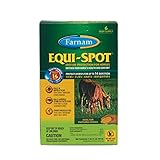
For an effective solution, consider using a dog fly repellent spray. Always apply according to product instructions, focusing on areas where flies are landing.
7. Manage the Environment:
- What to do: If you’re camping, clean up any food spills immediately. Secure trash tightly. Keep your dog’s bedding clean and dry. Consider setting up fly traps away from your dog’s immediate resting area.
- What “good” looks like: The surrounding area is less attractive to flies, reducing the overall population.
- Common mistake: Leaving food scraps or open garbage around, which acts like an all-you-can-eat buffet for flies.
8. Monitor and Reapply:
- What to do: Keep an eye on your dog. Reapply repellent as needed, especially after they’ve been in water or if you see flies returning. Continue to keep their living area clean.
- What “good” looks like: The fly situation is under control, and your dog is comfortable.
- Common mistake: Assuming one application is enough and not observing the ongoing situation.
Common mistakes (and what happens if you ignore them)
| Mistake | What it causes | Fix |
|---|---|---|
| Not identifying the fly attractant | Flies keep coming back, your efforts are temporary. | Thoroughly inspect your dog and their surroundings for wounds, food, moisture, or waste. |
| Using human-grade repellents/sprays | Skin irritation, allergic reactions, or even poisoning for your dog. | Always use products specifically labeled as safe for dogs. Test on a small area first. |
| Leaving wounds untreated or exposed | Infection, fly eggs laid in the wound, maggot infestation, severe pain, and potential for serious disease. | Clean wounds with vet-approved antiseptic and apply a protective dressing or dog-safe fly repellent designed for wounds. Seek vet care. |
| Not cleaning up food/waste around campsite | Creates a fly magnet, drawing more flies to the general area, which then find your dog. | Secure trash, clean spills immediately, pick up feces promptly. |
| Leaving the dog’s bedding damp or dirty | Dampness and odors attract flies and can lead to skin issues or infections for the dog. | Ensure bedding is dry and clean. Wash or replace it regularly. |
| Applying essential oils undiluted | Can cause severe skin burns, irritation, or toxic reactions in dogs. | Always dilute essential oils heavily with a carrier oil (like coconut oil) and use only pet-safe varieties in very small amounts. |
| Ignoring signs of fly strike or infestation | Significant pain, tissue damage, secondary infections, and potential for the dog to become seriously ill. | If you suspect fly strike (maggots), contact your veterinarian immediately. |
| Not monitoring the situation | Flies can quickly overwhelm a dog, especially if conditions change or repellents wear off. | Regularly check your dog and their environment throughout the day. |
| Relying solely on topical repellents | Repellents wear off; if the attractant isn’t removed, flies will return. | Combine repellents with environmental management and good hygiene. |
| Assuming all flies are harmless | Biting flies can cause significant pain and stress. Some flies carry diseases like tapeworms or eye infections. | Understand the different types of flies and their behaviors to implement the right strategies. |
Decision rules (simple if/then)
- If your dog has an open wound, then clean it immediately because flies are highly attracted to blood and bodily fluids.
- If you notice flies congregating around your dog’s ears or eyes, then check for irritation or infection because these areas are sensitive and prone to problems.
- If you are camping and have food scraps, then secure them in a sealed container or trash bag because food waste is a primary fly attractant.
- If your dog is constantly shaking its head or pawing at its ears, then check for ear mites or an ear infection, which can attract flies.
- If you see flies landing on your dog’s hindquarters, then check for any fecal matter or urinary residue because these are strong attractants.
- If the weather is hot and humid, then be extra vigilant about fly control because these conditions favor fly breeding and activity.
- If your dog has long or thick fur, then consider a trim around sensitive areas like the ears and tail base because this can reduce places for flies to hide and breed.
- If you are using essential oils as a repellent, then ensure they are heavily diluted and specifically safe for dogs because undiluted oils can be toxic.
- If flies are a persistent problem even after cleaning and applying repellent, then consider setting up fly traps away from your dog’s immediate area because this helps reduce the overall fly population.
- If your dog seems unusually agitated or distressed by flies, then consult your veterinarian because there might be an underlying medical issue.
- If you are in an area known for biting flies, then use a stronger, dog-specific repellent and keep your dog in a screened area if possible because biting flies can cause significant pain and stress.
- If you notice fly eggs on your dog’s fur or in a wound, then remove them carefully and contact your veterinarian immediately because this indicates a fly strike and requires professional attention.
If you are in an area known for biting flies, consider a dog fly mask to provide an extra layer of protection for your dog’s face and eyes.

FAQ
Q: How do I know if my dog is actually being bothered by flies, or if they’re just there?
A: Look for signs of distress: excessive scratching, head shaking, biting at their skin, or restlessness. If flies are constantly landing and staying, it’s a problem.
Q: Can I use human bug spray on my dog?
A: Absolutely not. Many ingredients in human bug sprays are toxic to dogs and can cause severe health issues. Stick to products specifically made for pets.
Q: What’s the best way to clean my dog’s fur if it’s attracting flies?
A: For minor issues, a damp cloth can work. If it’s more significant, a gentle dog shampoo bath is best, but ensure you dry them completely afterward.
Q: Are there natural ways to repel flies from my dog?
A: Yes, diluted pet-safe essential oils like citronella or lavender can help. You can also try commercial natural repellents. Always test on a small area first.
Q: What if my dog has a wound that flies are getting into?
A: This is serious. Clean the wound with a vet-approved antiseptic and use a pet-safe wound dressing or fly repellent designed for wounds. See your vet if it’s a significant wound.
If your dog has a wound that flies are getting into, having a dog first aid kit on hand can be invaluable for immediate cleaning and protection.

Q: How can I prevent flies from bothering my dog when camping?
A: Keep your campsite clean, manage food waste, use dog-safe repellents, and consider a screened dog tent or enclosure for your dog to relax in.
Q: My dog has a lot of flies on him. Is this a sign of illness?
A: It can be. Flies are attracted to wounds, infections, and poor hygiene. If the problem is severe or persistent, it’s a good idea to have your vet check your dog.
Q: What are fly traps and where should I put them?
A: Fly traps use scent or other attractants to lure flies. Place them away from your dog’s living and sleeping areas, so they draw flies away from your pet.
Q: How often should I reapply fly repellent to my dog?
A: Follow the product instructions. Generally, reapply every few hours, or more often if your dog gets wet, swims, or you see flies returning.
What this page does NOT cover (and where to go next)
- Specific veterinary diagnoses and treatments for fly-related illnesses. (See your veterinarian.)
- Identification of specific fly species and their life cycles. (Consult entomology resources.)
- Detailed recipes for DIY fly repellents or traps. (Research pet-safe formulations carefully.)
- Regulations regarding pest control or animal welfare in specific jurisdictions. (Check local animal control or agricultural extensions.)