
Dispersed Camping: A Complete Guide to Free Camping on BLM & National Forest Land
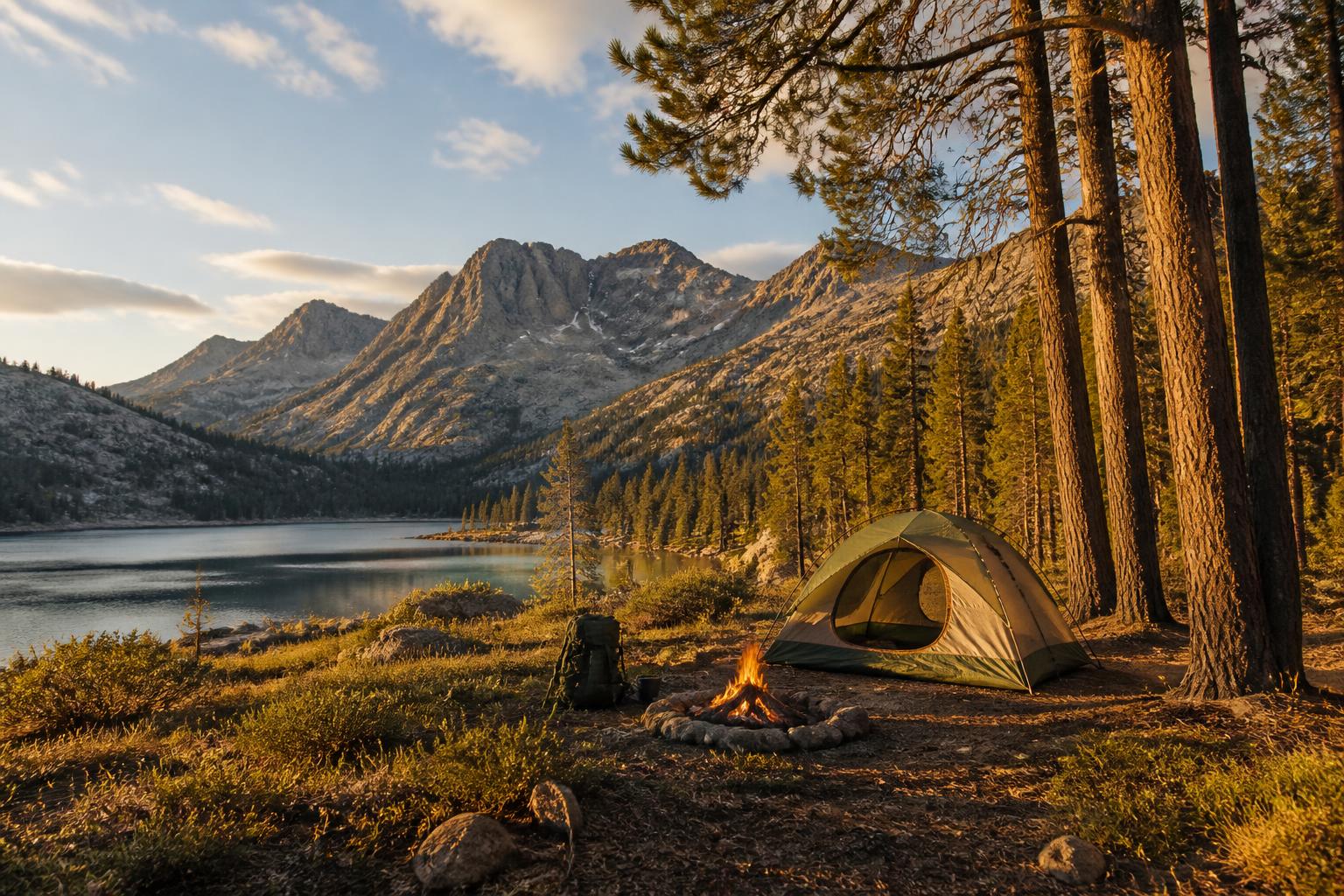
Dispersed camping means setting up camp anywhere outside a designated campground—no hookups, no reservations, no fees. You can do it on most Bureau of Land Management (BLM) and National Forest land across the United States. The key requirement: follow land-specific rules and Leave No Trace principles. If you want to camp for free in a remote spot, check the local district’s regulations first, then find a suitable site using maps or on-the-ground scouting.


BLM vs. National Forest: What Changes for Your Trip
Both agencies allow dispersed camping, but the boundaries and rules differ. Knowing which land you’re on affects how long you can stay, where you can pull off, and what restrictions apply.
| Factor | BLM | National Forest |
|---|---|---|
| Typical stay limit | 14 consecutive days, then must move ~5 miles | 14 consecutive days, then move at least 5 miles or to another district |
| Permit needed | No for most short stays; some high-use areas require a free permit | No for most short stays; wilderness areas may require a permit |
| Fire restrictions | Varies by district; often seasonal bans | Same—check local alerts |
| Road condition | Many two-track roads; high-clearance vehicles recommended | Similar; improved roads more common but still narrow |
| Group size | Usually no limit unless posted | Often limited to 10–15 people in one location |


Decision criterion: If you plan a large group (more than 10 people) or want a longer stay (more than 14 days), BLM land often has fewer group-size restrictions and some districts allow extensions with a free permit. For solo or small-group trips with easy access, National Forest land tends to have more pull-off spots and established primitive sites.
Find a Legal Dispersed Campsite in 4 Steps
You won’t find marked sites on a map. You need to identify legal camping zones and then scout a spot that’s at least 100–200 feet from streams, trails, and roads (unless posted otherwise).
Step 1: Confirm the Land Is Open to Dispersed Camping
Use the agency’s online map or the “Motor Vehicle Use Map” (MVUM) for National Forests. BLM uses “Surface Management Agency” maps. Look for the term “dispersed camping allowed” in the district’s recreation page. Avoid areas marked “camping prohibited” (often near developed recreation sites, water sources, or sensitive habitats).
Verification checkpoint: Before you drive out, call the local ranger station (number on the website) and ask: “Is dispersed camping currently allowed in [specific area]?” Rangers can also tell you about active closures that may not be on the map yet.
Step 2: Pick a Specific Zone
- National Forests: Focus on “non-motorized” or “roaded” areas. Check if the forest has “camping corridors” (e.g., along designated forest roads). Example: San Juan National Forest in Colorado allows dispersed camping along many forest roads except in developed recreation sites.
- BLM: Many BLM districts have “open camping” designations on large tracts. Look for maps showing “no camping” buffers around towns, reservoirs, or mining claims.
Step 3: Drive and Scout
- Look for existing fire rings or flat clearings—these indicate previous use and lower impact.
- Avoid creating new spots. Park on durable surfaces (dirt, gravel, rock) to avoid damaging vegetation.
- Ensure you can access the site with your vehicle (turnaround space, clearance).
- Follow the “200-foot rule”: set up camp at least 200 feet from any water source (streams, lakes) to protect riparian areas. Some forests use 100 feet—check the local MVUM notes.
Verification checkpoint after scouting: Before unpacking, walk the perimeter. Confirm there are no “No Camping” or “Closed Area” signs within 50 yards. If you see a sign, don’t camp there—move on. Also check that your spot is on durable ground, not a meadow or cryptobiotic soil (common in desert BLM areas).
Step 4: Check for Active Restrictions
Before you drive out, check the local BLM field office or National Forest ranger station website for emergency closures, fire bans, seasonal road closures, or “Stage 2” fire restrictions that may ban campfires or stoves. On the day of arrival, call the ranger station again: restrictions can change overnight after a lightning storm.
When to Turn Around: A Clear Threshold
Even with good planning, conditions can go sideways. Stop and turn back (or call for help) if any of these happen:
- You can’t find a legal spot within 1 hour of scouting. Driving deeper on poor roads increases risk. Abort and try another zone or return on a different day.
- Road conditions become unsafe for your vehicle. If you encounter deep mud, rocks that bottom out your car, or a washed-out crossing, do not push through. Back out slowly and report the hazard to the ranger station.


- You see a closure sign that contradicts your map. The land may have been temporarily closed (e.g., wildfire, flood). Obey the sign—don’t go around it.
- Emergency escalates. If someone is injured, lost, or your vehicle is stuck beyond self-recovery, use a satellite communicator (Garmin inReach, Zoleo) or cell phone if you have a bar. Do not wait until dark. Stay put, signal, and wait for help.
Stop signal for mechanical issues: If your engine overheats or you get stuck and can’t self-recover within 30 minutes, call for roadside assistance (if you have cell) or use your satellite messenger. Never attempt a risky extraction alone.
What to Pack for a Dispersed Camping Trip
Since you’re fully self-contained, your gear needs to cover water, waste, and comfort with no backup from a campground. Use this short collection of essentials:
| Category | Must-Have |
|---|---|
| Water | At least 1 gallon per person per day; carry enough for cooking, drinking, and basic washing |
| Sanitation | Portable toilet or wag bags; trowel for digging cat holes 6–8 inches deep at least 200 feet from water |
| Shelter | Tent or vehicle setup; bring extra stakes and a ground cloth for uneven terrain |
| Cooking | Stove with enough fuel for all meals (fires often banned or unreliable); a fire pan if campfires are allowed but restricted |
| Navigation | Paper map of the area (cell service is rare); GPS or phone with downloaded maps as backup |
| Emergency | First-aid kit, extra layers, and a way to signal (whistle, satellite communicator if heading deep) |
Pro tip: Bring a printed copy of the local MVUM or BLM map. Digital maps fail when batteries die. Mark your campsite on the paper map so rescuers (or you) can locate it if needed.
Dispersed Camping Rules You Must Follow
Staying free doesn’t mean you can do anything. These rules are consistent across BLM and National Forests nationwide:
- Pack it in, pack it out. No trash disposal facilities. Bring bags for all waste, including food scraps.
- No permanent structures. Don’t dig trenches, build furniture, or move rocks.
- Camp on durable surfaces. Avoid meadows, soft soil, and cryptobiotic soil crusts (common in the desert).
- Keep fires safe. Only build fires in existing fire rings (if permitted). Douse completely and scatter cool ashes.
- Respect wildlife. Store food in a hard-sided container or bear canister in bear country. Never approach or feed animals.
If you violate these rules, you risk a citation or being asked to leave. More importantly, disrespecting the land leads to more closures for everyone.
Ready-to-Camp Checklist
Use this quick pass/fail list to decide if you’re ready to head out:
- [ ] You have confirmed the land unit (BLM or National Forest) allows dispersed camping and checked for any seasonal closures by calling the ranger station.
- [ ] You have at least 1 gallon of water per person per day for the entire trip (plus an extra day’s worth).
- [ ] You know where you will legally park or set up camp (MVUM or BLM map downloaded and printed).
- [ ] You have a plan for human waste (portable toilet, wag bags, or trowel + Leave No Trace knowledge) and enough bags for the whole trip.
- [ ] You have checked the local fire restrictions and are prepared to cook without a campfire.
If you can check all five, you’re ready to go. If any item is a “no,” postpone until you have a solution.
FAQ
Do I need a permit for dispersed camping on BLM or National Forest land?
Generally no, unless you are camping in a designated wilderness area (some require a free permit) or during a high-use season when certain zones require a reservation. Check with the local ranger station.
How long can I stay in one spot?
Both BLM and National Forests typically allow 14 consecutive days, then you must move at least 5–10 miles away. Some BLM districts offer a longer stay with a free permit.
Can I have a campfire?
Only if there is no fire ban in effect. Even when allowed, use an existing fire ring and keep the fire small. In high-fire-danger areas, a camp stove is a better choice.
What’s the difference between dispersed camping and boondocking?
Boondocking usually refers to RV camping without hookups, often on public land. Dispersed camping is the same concept but can be done with any shelter—tent, van, truck camper, or RV. The rules are identical.
Is it safe to camp alone in a remote spot?
It can be, if you tell someone your exact location and return date, carry a first-aid kit and a way to call for help (satellite messenger if no cell signal), and trust your instincts about road conditions and weather. Avoid dispersed camping alone in extreme weather or very high wildfire-risk areas without a solid exit plan.

Camping Bob has spent over 20 years camping across the US — from BLM dispersed sites in the Southwest to KOA campgrounds in the Pacific Northwest. He writes practical, no-nonsense guides to help fellow campers get outdoors with confidence.