
Cooling Power: How Long Dry Ice Lasts in a Cooler
Quick answer
- Dry ice can keep your cooler frozen for 24-72 hours, depending on size and insulation.
- Bigger coolers and better insulation mean longer cooling.
- Don’t seal your cooler tight; it needs to vent.
- Keep it out of direct sun.
- Pack it full for maximum efficiency.
- Handle with care – it’s super cold.
What to check first (do this before you drive out)
Before you even think about loading up, get a handle on a few key things. This isn’t just about convenience; it’s about safety and making sure your trip doesn’t go sideways.
- Land manager / legality (who manages the land)
Who’s in charge of the land you’re heading to? Is it National Forest, BLM, a State Park, or private? Each has its own rules about campfires, dispersed camping, and even what you can bring. A quick check on their website or a call can save you a headache. I learned that lesson the hard way camping in a spot that looked open, but wasn’t.
- Access/road conditions (2WD vs AWD, clearance, mud/snow)
Can your rig actually get there? Don’t be that person stuck on a forest road with a blown tire. Check recent reports or ask locals about road conditions. Is it paved, gravel, or a full-on boulder field? Knowing if you need 4WD, high clearance, or chains is crucial.
- Fire restrictions + weather + wind
This is a big one, especially with dry ice. Are campfires banned? If so, you’re relying on your stove and cooler. Check the weather forecast for your destination – not just the temperature, but wind and any chance of precipitation. High winds can make camp life miserable and affect how long your cooler stays cold.
- Water plan + waste plan (Leave No Trace)
Where’s your water coming from? Are you bringing it all, or is there a potable source? Plan accordingly. And what about trash? Pack it in, pack it out. This applies to everything, including any leftover dry ice or packaging. Leave No Trace principles are king out there.
- Safety (wildlife, distance to help, comms)
What critters share the space? Know what to do if you encounter them. How far are you from the nearest town or ranger station? Cell service is often spotty, so have a plan for emergencies. A satellite messenger or knowing the local emergency numbers is smart.
Step-by-step (field workflow)
Alright, you’ve done your homework. Now let’s get that cooler dialed in for maximum cold.
1. Acquire your dry ice.
- What to do: Buy it from a welding supply store, a specialty ice shop, or sometimes even a grocery store. Ask for blocks if you can; they last longer than pellets.
- What “good” looks like: You’ve got a solid amount of dry ice, handled with insulated gloves.
- Common mistake: Trying to grab it with bare hands. Ouch. Always use thick gloves or tongs.
When acquiring your dry ice, remember to always use thick gloves or a good pair of dry ice tongs to handle it safely.

2. Pre-chill your cooler.
- What to do: If possible, put your cooler in a cool place (like a shaded spot or even inside your air-conditioned car) for a few hours before packing.
- What “good” looks like: The inside of the cooler is already cold, not room temperature.
- Common mistake: Packing warm food and drinks into a warm cooler. You’re fighting an uphill battle from the start.
For optimal performance, consider pre-chilling your cooler, especially if you’re using a high-quality insulated cooler bag, to give your dry ice a head start.
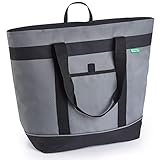
3. Insulate the bottom.
- What to do: Lay down a layer of cardboard or a thick towel at the bottom of the cooler.
- What “good” looks like: A barrier between the dry ice and the cooler walls.
- Common mistake: Placing dry ice directly on the cooler’s plastic. It can make the plastic brittle over time.
4. Add the dry ice.
- What to do: Place your dry ice blocks or pellets on top of the insulating layer. Don’t overfill; leave room for your food.
- What “good” looks like: The dry ice is snug but not crammed in.
- Common mistake: Burying it too deep. It needs to be able to sublimate (turn into gas) and circulate.
5. Pack your food and drinks.
- What to do: Place items you’ll need later at the bottom, and those you’ll use sooner on top. Fill any air gaps.
- What “good” looks like: The cooler is packed snugly, with minimal empty space.
- Common mistake: Leaving large air pockets. Air lets warmth in and cold out.
6. Add more insulation (optional but recommended).
- What to do: Place another layer of cardboard or a towel on top of the food, just below the lid.
- What “good” looks like: An extra barrier to keep the cold in.
- Common mistake: Skipping this if you’re going for multi-day cooling. It makes a difference.
7. Vent the cooler.
- What to do: Do NOT seal the lid completely. Leave it slightly ajar or use a cooler with a vent. Dry ice sublimates into CO2 gas, and pressure buildup can be dangerous.
- What “good” looks like: You can hear a slight hiss or see a faint mist. The lid isn’t bulging.
- Common mistake: Sealing it tight. This can cause the lid to pop open violently or even damage the cooler.
8. Keep it out of the sun.
- What to do: Store the cooler in the coolest spot possible – under a tarp, in the shade, inside your vehicle.
- What “good” looks like: The cooler is protected from direct sunlight.
- Common mistake: Leaving it out in the blazing sun all day. It’s like putting a heater on your cooler.
9. Minimize opening.
- What to do: Plan your access. Open it only when necessary and close it quickly.
- What “good” looks like: Quick, efficient access to what you need.
- Common mistake: Constantly digging through the cooler. Every opening lets cold air escape and warm air enter.
10. Monitor and replenish (if needed).
- What to do: Check the ice levels periodically. If you’re on a longer trip, you might need to add more dry ice.
- What “good” looks like: Your food is still perfectly chilled.
- Common mistake: Assuming the ice will last forever. It’s a consumable, like food.
Common mistakes (and what happens if you ignore them)
| Mistake | What it causes | Fix |
|---|---|---|
| Handling dry ice with bare hands | Severe frostbite, pain, and tissue damage. | Always use thick, insulated gloves or tongs. |
| Sealing a cooler packed with dry ice | Pressure buildup leading to lid popping, cooler damage, or even explosion. | Leave the lid slightly ajar or use a vented cooler. Ensure CO2 gas can escape. |
| Placing dry ice directly on plastic | Can make the cooler plastic brittle and prone to cracking, especially in cold. | Use a layer of cardboard or thick fabric between the dry ice and the cooler walls. |
| Not pre-chilling the cooler | Significantly reduces the cooling time as the dry ice has to cool the cooler first. | Place the cooler in a cool environment for several hours before packing. |
| Leaving the cooler in direct sunlight | Rapidly melts the dry ice, drastically shortening its lifespan. | Keep the cooler in the shade, under a tarp, or inside a vehicle. |
| Overfilling the cooler with dry ice | Can make it difficult to close the lid properly and can be wasteful. | Pack efficiently, leaving space for air circulation and easy access. |
| Not filling empty space in the cooler | Allows cold air to escape more easily and warm air to enter. | Use crumpled newspaper, towels, or extra packaging to fill gaps. |
| Not planning for CO2 gas buildup | Can displace oxygen in enclosed spaces (like a car or tent), leading to suffocation risk. | Always use dry ice in well-ventilated areas. Never sleep in an unventilated vehicle with dry ice. |
| Ignoring sublimation rate | Running out of dry ice sooner than expected, leading to spoiled food. | Understand that dry ice sublimates continuously; plan accordingly for longer trips. |
| Using dry ice in a non-ventilated vehicle | Can lead to dangerous CO2 levels, causing dizziness, confusion, or asphyxiation. | Transport dry ice in a well-ventilated area, like a truck bed or with car windows cracked open. |
Decision rules (simple if/then)
- If your trip is less than 24 hours, then a standard cooler with regular ice might be sufficient because it’s simpler and less risky.
- If you need to keep things frozen solid for more than two days, then dry ice is a good bet because it’s much colder than regular ice.
- If you’re camping in an area with strict fire bans, then dry ice is essential for keeping perishable food cold without relying on campfires.
- If you’re transporting dry ice in your vehicle, then ensure the vehicle is well-ventilated because the CO2 gas it releases can be dangerous in enclosed spaces.
- If you plan to use dry ice for a long trip, then buy more than you think you’ll need because it sublimates over time.
- If you want to maximize cooling time, then use a high-quality, well-insulated cooler because insulation is key to slowing down heat transfer.
- If you’re unsure about road conditions, then call the local ranger station or check online forums because they’ll have the most up-to-date info.
- If you hear hissing or see fog from your cooler, then that’s a good sign the dry ice is working and sublimating properly.
- If you’re handling dry ice, then always wear thick, insulated gloves because it can cause severe frostbite on contact.
- If you have a lot of empty space in your cooler, then fill it with extra insulation material like towels or newspaper because this will help retain the cold air.
- If you’re going to be opening the cooler frequently, then pack it strategically so you can grab what you need quickly to minimize cold air loss.
- If you’re concerned about pressure buildup, then leave the cooler lid slightly ajar or use a cooler with a vent because this allows the CO2 gas to escape safely.
If you want to maximize cooling time, then use a high-quality, well-insulated cooler, like a durable insulated cooler bag, because insulation is key to slowing down heat transfer.
FAQ
How much dry ice do I need?
It depends on your cooler size and how long you need it to last. A good rule of thumb is about 5-10 pounds per cubic foot of cooler space for a 24-hour period.
Can I use dry ice with regular ice?
Yes, you can. Dry ice goes on top of regular ice. It will keep the regular ice frozen longer, but it’s not always necessary and adds complexity.
What happens if I seal a cooler with dry ice?
The dry ice sublimates into CO2 gas. If the cooler is sealed, pressure will build up, which can cause the lid to pop open violently, damage the cooler, or even create a dangerous situation.
Is it safe to have dry ice in my car?
Only if the car is well-ventilated. The CO2 gas displaces oxygen. Cracked windows or driving with the windows down is essential. Never store it in a sealed trunk or passenger compartment without ventilation.
How do I dispose of leftover dry ice?
The safest way is to let it sublimate completely in a well-ventilated area, away from children and pets. Don’t try to store it in a freezer; it will just sublimate faster.
Can dry ice freeze my food if I pack it too close?
Yes, dry ice is extremely cold (-109.3°F or -78.5°C). Pack it so it doesn’t directly touch food you don’t want frozen solid, or use it only for items you want to keep frozen.
How long does dry ice last in a Styrofoam cooler?
Styrofoam coolers are less insulated than high-end hard-sided coolers. Expect dry ice to last about half as long, so perhaps 12-24 hours, depending on conditions.
What are the signs that dry ice is running out?
You’ll see less fog or mist coming from the cooler, and the temperature inside will start to rise. The “cold” will feel less intense.
What this page does NOT cover (and where to go next)
- Specific vendor recommendations for dry ice. (Check local listings or specialty suppliers.)
- Detailed chemical properties of sublimation. (Consult scientific resources if you’re curious.)
- Advanced cooler insulation techniques. (Look into DIY insulation mods or specialized gear.)
- Emergency procedures for dry ice exposure. (Refer to first aid guides or medical resources.)
- Legal regulations on transporting dry ice. (Check DOT guidelines if shipping or transporting large quantities.)