
15 Camping Desserts and Trail Snacks for Your Next Trip
Pack snacks that survive a day in your pack and desserts you can pull off with a camp stove or a handful of coals. The fifteen options below cover no-cook trail treats, one-pot campfire sweets, and make-ahead items you prep at home. Each entry includes a key constraint—weight, shelf life, or required gear—so you can match the choice to your trip style.
Practical implication for your next choice: For most weekend car campers, no-cook snacks and one-pot desserts will cover all meals without extra gear. If you’re backpacking, focus on items under 4 oz per serving and skip anything that requires a cooler. This list gives you the trade-offs so you can pick the right mix—and avoid hauling gear you won’t use.

How to Pick the Right Options for Your Trip
The best camping dessert or snack depends on three variables: trip length, cooking tools, and temperature. For a single overnight with a cooler, you can bring perishable items like cheesecake jars. For a multi-day backpacking trip, focus on dehydrated or shelf-stable choices. If you cook over a campfire, pick recipes that use foil packets or a single pot. If temps hit 85°F or higher, skip chocolate-heavy items unless you keep them in a shady part of your pack.
Decision rule: For every day beyond two, eliminate anything that requires refrigeration or melts below 80°F. For stove-only trips, limit yourself to one-pot or no-cook recipes.
Verification step before you pack: Check your camp stove fuel canister weight if you plan to simmer for 10+ minutes. A typical 10-minute simmer uses about 0.4 oz (10 g) of isobutane. If your canister weighs less than the empty weight stamped on the side, swap to a no-cook dessert or bring a full spare canister. Running out of fuel mid-recipe leaves you with raw ingredients.
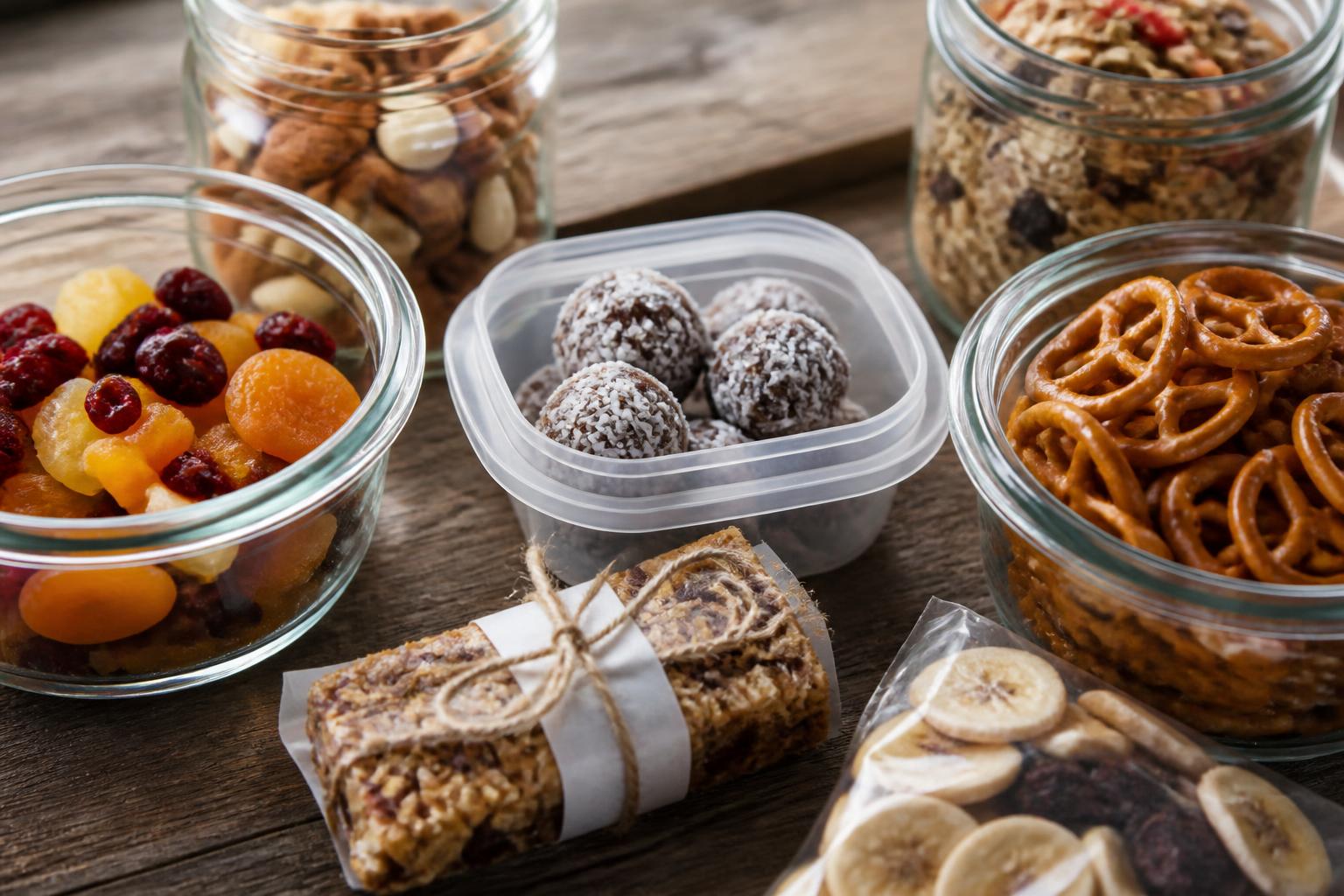
No-Cook Trail Snacks (Zero Gear Required)
These go straight into a ziplock bag and don’t need heat, fuel, or cleanup.
DIY Trail Mix Blend
Skip the store mix and build your own: 1 cup roasted almonds, 1 cup dried cherries, ½ cup dark chocolate chips, ½ cup coconut flakes. Weighs about 6 oz per serving. Mistake to avoid: Adding fresh berries that will crush or mold by day two. Stick with dried fruit.
Peanut Butter Energy Bites
Mix 1 cup rolled oats, ½ cup peanut butter, ⅓ cup honey, ¼ cup mini chocolate chips. Roll into 1-inch balls; no baking needed. Makes 12 bites, shelf-stable for 3–4 days at moderate temps. Tip: Swap honey for maple syrup if you want a vegan version—it holds together equally well.
Seasoned Roasted Chickpeas
Crisp them at home in a 400°F oven for 30 minutes with salt and paprika, then pack in a paper bag (not plastic) to keep crunch. One cup yields about 220 calories and stays crunchy for 5 days. Common mistake: Using canned chickpeas without patting them bone-dry—they turn chewy on the trail.
Trade-off to consider: No-cook snacks all have a similar dry, crunchy-to-chewy texture. After three days, you may crave a hot dessert. Plan to alternate with one-pot recipes if your trip is longer than two days.
One-Pot Campfire Desserts (Stove or Coals)
These require a pot, a heat source, and a spoon. Cleanup is one pot and a spork.
Foil-Packet Bananas Foster
What you need: One banana (still in peel), 1 tbsp brown sugar, 1 tbsp butter, heavy-duty aluminum foil, campfire with established coals (not open flame), tongs, heatproof gloves.
Early checkpoint: Confirm you have hot coals that glow orange but are not covered in white ash—that means the fire is too young. If flames are still present, wait 10–15 minutes until they die down. No coals? This recipe won’t work; choose a stove-based dessert instead (see items below).
Ordered steps:
- Prepare the banana. Lay the unpeeled banana on a cutting board. With a sharp knife, slice lengthwise through the peel and fruit (not all the way through—stop ¼ inch from the bottom). Gently pry open the peel to create a pocket.
- Stuff the pocket. Add brown sugar and butter inside the slit. Press the edges of the peel back together to close.
- Wrap in foil. Tear a 12-inch sheet of foil. Place the banana in the center and fold the edges over twice to form a sealed packet. Crimp the ends tight so no sugar syrup leaks.
- Cook on coals. Using tongs, set the foil packet directly on the hot coals. Cook for 6 minutes, then rotate 180 degrees and cook another 2 minutes (8 minutes total for a medium-sized banana). Likely cause of failure: Ungloved hand or imprecise tongs—the packet gets dropped into ash, and you lose the sugar syrup.
- Test for doneness. Use tongs to lift the packet. It should feel soft when squeezed gently with the tongs. If it still feels firm, return to coals for 2 more minutes.
- Open and serve. Let the packet cool on a rock for 30 seconds. Open carefully (steam escapes). Slide the banana onto a plate or into a bowl. The sugar and butter should have caramelized into a syrupy sauce.
Success signal: The peel pulls away cleanly, the banana is steaming and tender, and the syrup is thick (not watery). If the syrup is watery, the packet leaked—check your foil seal next time and use a double wrap.
Stop point: Eat immediately. Do not attempt to reheat—the banana turns mushy.
Single-Pot Rice Pudding
In a small pot, combine ½ cup instant rice, 1 cup powdered milk reconstituted with water, 2 tbsp sugar, and ½ tsp cinnamon. Simmer 10 minutes, stirring often. Serves 1, uses about 1.5 oz of fuel. Tip: Replace instant rice with leftover cooked rice from dinner to save fuel. Mismatch alert: Using regular long-grain rice instead of instant will require 20–25 minutes of simmering and more water, nearly doubling fuel consumption. Stick with instant rice for this recipe.
Campfire Cinnamon Rolls
Use refrigerated canned dough (e.g., Pillsbury). Coil each roll around a green stick or skewer, hold over coals 4–5 minutes, rotating constantly. The dough puffs into a caramelized spiral. Warning: Don’t hold the dough too close to flames—sugar burns before the dough cooks through.
Dehydrated Mango “Sorbet”
Rehydrate dried mango slices in a bowl with hot water for 5 minutes. Mash into a paste and stir in a splash of lime juice and sugar. Chill in a stream or snowbank for 20 minutes for a cold treat. Constraint: Works only when you have a cold water source nearby.

Trade-off to consider: All one-pot desserts require a stove or coals, which adds weight and cleanup. If you’re ultralight backpacking, these may not be worth the fuel and pot weight—choose no-cook instead.
Make-Ahead Desserts (Prep at Home, Eat on Trail)
These require freezer or fridge time before you leave, then pack out easily.
No-Bake Granola Bars
Combine 2 cups oats, 1 cup nut butter, ½ cup honey, ¼ cup shredded coconut. Press into a pan, refrigerate 1 hour, cut into bars. Wrap individually; each bar lasts 5 days without refrigeration. Mistake to avoid: Using chunky nut butter—it won’t bind evenly; use creamy.
Chocolate-Peanut Butter Protein Balls
Same method as energy bites but add 1 scoop unsweetened protein powder per cup of oats. These hold up better in heat than plain chocolate bars because the protein absorbs moisture. Tip: Roll them in cocoa powder to prevent sticking in the bag.
Lemon-Poppy Seed Cookies
These dense, low-moisture cookies stay fresh for over a week. Bake at 350°F for 12 minutes (makes 24). Pack in a hard-sided container to prevent crushing.
Strawberry Freeze-Dried Yogurt Drops
At home, drop yogurt by the teaspoon onto a parchment-lined tray and freeze 2 hours. Transfer to a sealed bag—they stay cold for hours in a cooler, or you can eat them thawed. Constraint: Needs a cooler with ice for the first half-day. Not for long trips.
Verification step before packing: For any make-ahead dessert that uses dairy (yogurt drops, cheesecake jars), confirm your cooler can hold a steady 40°F for at least the first 24 hours. A cheap foam cooler without a pre-chilled block of ice may let the food reach unsafe temps within 6 hours. Use a refrigerator thermometer to check.
Lightweight Backpacking Desserts (Under 4 oz Per Serving)
These maximize calories per ounce and require minimal gear.
Instant Pudding Mix (Cold Method)
Pack a 3.4 oz box of instant pudding (any flavor) and a small bag of powdered milk. At camp, mix 2 tbsp powdered milk with water, add 2 tbsp pudding powder, stir, and let sit 10 minutes. Total weight: 2 oz per serving. Tip: Use a wide-mouth water bottle as a shaker—no bowl needed.
Caffeinated Energy Gel Mash
Before the trip, mix 1 oz of plain energy gel (like GU) with ¼ tsp freeze-dried coffee granules in a small squeeze tube. Creates a 100-calorie caffeine boost. Common mistake: Adding liquid flavorings—they thin the gel and increase spill risk.
Trail Mix Mini Muffins
Bake mini muffins using a standard muffin mix but add ½ cup trail mix to the batter. Each muffin weighs about 1.5 oz and provides 180 calories. Bake at 350°F for 14 minutes; cool completely before packing.
Nori-Wrapped Rice-Cracker Sandwiches
Spread peanut butter on a plain rice cracker, top with a second cracker, and wrap tightly in a sheet of nori (seaweed). The nori adds salt and crunch. Each sandwich weighs 1 oz, holds for 3 days, and provides complex carbs and protein. Mistake to avoid: Using flavored crackers—they absorb moisture from the peanut butter and go stale faster.
Trade-off to consider: Lightweight desserts are low in volume—you may feel unsatisfied after a 2-oz serving of pudding. If you’re a volume eater, pair a lightweight dessert with a big cup of hot tea or add freeze-dried fruit to bulk it up.
Expert Tips for Packing Camping Desserts and Snacks
Tip 1: Double-bag anything that melts. Step: Put chocolate-based items in a ziplock bag inside a dry sack or stuff sack. Common mistake: Relying on one freezer bag—a single puncture melts everything in your pack.
Tip 2: Pre-portion your snacks by day. Step: Before the trip, pack each day’s snacks in a separate labeled bag. Common mistake: Tossing everything into one big bag—you overeat day one and scrape for day four.
Tip 3: Keep a dedicated “crush zone” in your pack. Step: Put hard cookies or crackers in a rigid container (Tupperware or a Nalgene bottle) and store it at the very top or bottom of your pack, away from heavy items. Common mistake: Placing them mid-pack against your sleeping pad—they end up as crumbs.
Frequently Asked Questions
How do I keep chocolate from melting on a hot trip?
Pack chocolate in an insulated mug or a thermos and store it in the center of your pack—not against your back—where temps stay closer to ambient. For trips above 80°F, swap chocolate for carob chips or freeze-dried fruit.
Can I make any of these nut-free?
Yes. Replace nut butter with sunflower seed butter (sunbutter) in energy bites and granola bars. For trail mix, use roasted pumpkin seeds and dried coconut instead of almonds.
How long can I keep homemade snacks without refrigeration?
Most shelf-stable options (trail mix, energy bites, granola bars, cookies) last 4–5 days at moderate temps. In hot weather (85°F+), reduce that to 2–3 days. Check for mold or softening before eating.
What’s the lightest dessert option for a backpacking trip?
Instant pudding prepared cold—total weight per serving is about 2 oz including powder and powdered milk. Second lightest: a single serving of freeze-dried fruit (1.5 oz).

Camping Bob has spent over 20 years camping across the US — from BLM dispersed sites in the Southwest to KOA campgrounds in the Pacific Northwest. He writes practical, no-nonsense guides to help fellow campers get outdoors with confidence.