
Camping Costs in National Parks: What to Expect
Quick answer
- Campsite fees typically range from $15 to $35 per night.
- Some premium sites or RV hookups can cost more, up to $50+.
- Entrance fees are separate, usually $30-$35 per vehicle for a 7-day pass.
- Reservations are often required, especially for popular parks and seasons.
- Factor in gas, food, gear, and potential activity fees.
- Always check the park’s official website for the most current pricing.
What to check first (do this before you drive out)
Before you even think about packing the car, a little pre-trip intel saves a ton of hassle.
- Land manager / legality: Who actually runs the campground? Is it the National Park Service (NPS), or maybe a concessionaire operating under contract? This determines where you’ll find the official rules and reservation system. Sometimes, forest service or BLM land borders parks and offers different (often cheaper) camping, but you need to know the boundaries.
- Access/road conditions: Are you rolling in a minivan or a rock-crawler? Some park roads are paved and smooth. Others are gravel, rutted, or seasonal. Check if your vehicle can handle it, especially if you’re heading to a more remote campground. A high-clearance vehicle might be a good idea for some spots.
- Fire restrictions + weather + wind: This is non-negotiable. Fire bans are common, especially in dry seasons. Know the rules before you even consider a campfire. Check the forecast religiously. Wind can make camping miserable, even dangerous, so be prepared for that too.
- Water plan + waste plan (Leave No Trace): Most established campgrounds have potable water spigots. But what if they don’t? Or what if there’s a boil advisory? Have a backup plan for water. And remember, pack it in, pack it out. This applies to everything, including human waste if you’re in an area without facilities.
- Safety (wildlife, distance to help, comms): Know what critters are common in the park. Are we talking bears, moose, or just squirrels? Store your food properly. How far is the nearest ranger station or hospital? Cell service can be spotty to non-existent, so tell someone where you’re going and when you expect to be back.
Step-by-step (field workflow)
Here’s how to navigate the actual booking and arrival process.
1. Identify Your Park and Dates:
- What to do: Decide which national park you want to visit and when.
- What “good” looks like: You have a clear target park and a general timeframe.
- Common mistake: Waiting too long and finding everything booked solid. Avoid this by planning ahead, especially for popular parks like Yosemite or Zion.
2. Check the Official Park Website:
- What to do: Navigate to the NPS website for your chosen park. Look for the “Plan Your Visit” or “Camping” section.
- What “good” looks like: You’ve found the official source of truth for camping information.
- Common mistake: Relying on outdated third-party blogs. Stick to the .gov sites for the latest info.
3. Determine Campground Options:
- What to do: Read about the different campgrounds within the park. Note amenities, site types (tent, RV, walk-in), and whether they are first-come, first-served (FCFS) or reservation-only.
- What “good” looks like: You understand the variety of camping spots available.
- Common mistake: Assuming all campgrounds are the same. Some are in scenic valleys, others are high-altitude.
4. Check Entrance Fees:
- What to do: Find the current entrance fee for the park. Most are valid for 7 days.
- What “good” looks like: You know the cost to get your vehicle into the park.
- Common mistake: Forgetting the entrance fee is separate from campsite fees. It adds up.
5. Book Your Campsite (If Required):
- What to do: If reservations are needed, use the official booking system (usually Recreation.gov). Be ready to book the moment your reservation window opens.
- What “good” looks like: You have a confirmed reservation number.
- Common mistake: Not being logged in and ready when the booking window opens. Popular sites go in minutes.
6. Understand Campsite Fees:
- What to do: Note the nightly fee for your chosen campsite. This is separate from the entrance fee.
- What “good” looks like: You know exactly how much each night at your site will cost.
- Common mistake: Underestimating the total cost by only considering the reservation fee.
7. Review Park-Specific Rules:
- What to do: Read up on quiet hours, generator use, pet policies, food storage, and any other campground-specific regulations.
- What “good” looks like: You’re aware of how to be a good neighbor and respect the park.
- Common mistake: Ignoring rules about bear boxes or food storage, leading to unwanted wildlife encounters.
8. Check Road and Weather Conditions (Closer to Date):
- What to do: A few days before you leave, re-check road conditions and the weather forecast.
- What “good” looks like: You’re prepared for current conditions, not based on old information.
- Common mistake: Assuming conditions haven’t changed since you booked. Mountain weather is fickle.
9. Prepare Your Gear and Supplies:
- What to do: Gather all necessary camping gear, food, water, and safety items.
- What “good” looks like: You have everything you need for a comfortable and safe trip.
- Common mistake: Realizing you forgot a critical item once you’re miles from civilization.
Don’t forget a portable camping stove for cooking delicious meals at your campsite.
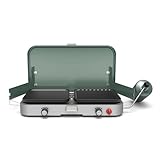
When preparing your gear, make sure you have a reliable camping tent, like the one we recommend, to ensure a comfortable stay.

10. Confirm Payment Methods:
- What to do: Know how you’ll pay for entrance fees and campsite fees upon arrival if you didn’t pay online. Some FCFS sites require cash.
- What “good” looks like: You’re not caught off guard by payment requirements.
- Common mistake: Showing up with only a credit card when cash is required for a FCFS site.
Common mistakes (and what happens if you ignore them)
| Mistake | What it causes | Fix |
|---|---|---|
| Not booking in advance | No campsite available, forced to drive out or find less desirable alternatives. | Book as far in advance as possible, especially for peak season or popular parks. |
| Forgetting the entrance fee | Surprise cost at the gate, potentially delaying entry. | Budget for the entrance fee separately; check the park website for current rates. |
| Assuming FCFS sites are always available | Arriving to find all FCFS spots taken, especially on weekends or holidays. | Have a backup plan; arrive very early on weekdays or consider reservation-only campgrounds. |
| Ignoring road condition advisories | Getting stuck, vehicle damage, or being turned away due to impassable roads. | Always check current road conditions on the park’s official website or call the ranger station. |
| Not checking fire restrictions | Getting fined, or worse, starting an illegal fire. | Always verify current fire restrictions before your trip and upon arrival. |
| Underestimating food/water needs | Unpleasant trip, dehydration, or having to ration supplies. | Plan meals carefully, bring extra water, and know where to refill or purchase supplies if needed. |
| Misunderstanding “Leave No Trace” principles | Damaging the environment, impacting wildlife, and creating unpleasant sites. | Familiarize yourself with LNT principles before you go; pack out everything you pack in. |
| Not having a backup plan for weather | Uncomfortable or unsafe camping conditions (e.g., severe storms, extreme heat). | Monitor forecasts closely and be prepared to adjust plans or have appropriate gear. |
| Ignoring wildlife safety guidelines | Negative wildlife encounters, potential injury to humans or animals. | Store food properly, maintain distance, and follow all park advisories regarding wildlife. |
| Relying solely on cell service for comms | Inability to contact help or check in with people when needed. | Carry a satellite communication device or inform someone of your detailed itinerary and check-in times. |
Decision rules (simple if/then)
- If your trip is during peak season (summer, holidays) then book your campsite as soon as reservations open because popular spots fill up months in advance.
- If you are traveling in an RV then check the specific campsite dimensions and hookup availability because not all sites accommodate larger vehicles or offer power/water.
- If you plan to visit multiple national parks within a year then consider purchasing an America the Beautiful Pass because it can save you money on entrance fees.
- If the park website mentions “primitive camping” or “dispersed camping” then understand it likely means no amenities like toilets or water, and requires more self-sufficiency.
- If you see a “Bear Box” or food locker at your campsite then use it religiously for all food, scented items, and trash because it’s crucial for preventing dangerous bear encounters.
- If you’re planning a last-minute trip to a popular park then focus your search on campgrounds that might have a higher percentage of first-come, first-served sites, but be prepared for an early arrival.
- If you are unsure about road conditions then call the park’s ranger station directly because they have the most up-to-date information.
- If you are bringing pets then check the park’s specific pet policy before you go because many national parks have strict limitations on where pets are allowed.
- If you are traveling with a large group then look for group campsites, if available, because they are often designed for more people and vehicles.
- If you see a ranger on patrol then don’t hesitate to ask questions about local conditions or rules because they are a valuable resource.
- If you are camping in an area with potential for flash floods then always be aware of the weather forecast and avoid camping in low-lying areas or dry creek beds.
FAQ
How much does a typical national park campsite cost per night?
Most standard tent or car campsites in national parks cost between $15 and $35 per night. RV sites with hookups can be a bit more, sometimes $40-$50.
Do I have to pay a separate entrance fee to get into the park?
Yes, generally. Most national parks charge an entrance fee, usually around $30-$35 per vehicle for a 7-day pass, which is separate from your camping fees.
Are reservations always required for national park campgrounds?
No, not always. Some campgrounds are first-come, first-served (FCFS), but these are less common in highly popular parks and fill up very quickly. Many, especially in busy parks, are reservation-only.
When should I make reservations for national park camping?
As early as possible! For popular parks and peak seasons, reservations often open 6 months in advance and can be booked within minutes. For less popular times or parks, you might have a bit more flexibility.
Can I use a credit card to pay for everything?
For reservations made online, yes. For entrance fees or FCFS campsite fees paid at the park, it varies. Some entrance stations and campground hosts accept cards, but many FCFS sites might require cash. Always check ahead.
What if I can’t get a reservation inside the park?
Don’t sweat it. Many national parks are surrounded by U.S. Forest Service or Bureau of Land Management (BLM) lands, which often have more dispersed or cheaper campgrounds. Also, look for private campgrounds just outside park boundaries.
Are there any hidden costs to camping in national parks?
Besides entrance and campsite fees, costs can include firewood, showers (if available), and any permits required for specific activities like backcountry camping or fishing. Always budget a little extra.
What does “first-come, first-served” (FCFS) camping mean?
It means you drive to the campground and take the first available open site. You typically pay upon arrival. These sites are highly sought after and often require arriving very early, sometimes before dawn.
What this page does NOT cover (and where to go next)
- Specific campsite availability or real-time pricing for any particular park. Check the official park website or Recreation.gov.
- Detailed rules and regulations for backcountry or wilderness camping. Look for specific permit information.
- Recommendations for private campgrounds outside park boundaries. Research local options.
- Detailed gear reviews or packing lists. Those are separate, crucial planning steps.
- Information on specific park activities like hiking trails, ranger programs, or visitor center hours. Explore the park’s “Things to Do” section.

Camping Bob has spent over 20 years camping across the US — from BLM dispersed sites in the Southwest to KOA campgrounds in the Pacific Northwest. He writes practical, no-nonsense guides to help fellow campers get outdoors with confidence.