
Best Ways to Keep Ice From Melting
Quick answer
- Use a quality cooler. It’s the biggest factor.
- Pre-chill your cooler. Don’t pack it cold.
- Pack it tight. Air is the enemy.
- Use block ice. It lasts way longer than cubes.
- Keep it closed. Every opening costs you.
- Shade is your friend. Sun bakes everything.
- Consider dry ice. For serious, long trips.
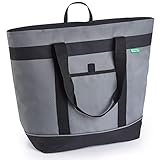
For the best ice retention, consider investing in a high-quality insulated cooler like this one.
What to check first (do this before you drive out)
Before you even think about packing, get a lay of the land. This isn’t just about your ice, it’s about the whole trip.
- Land manager / legality: Who’s in charge of where you’re going? Is it National Forest, BLM land, a State Park, or private? Knowing this helps you understand the rules. Check the agency’s website for any specific regulations or permits needed for camping or campfires. Don’t want to get a ticket before you even set up camp.
- Access/road conditions: Can your rig actually get there? Is it a paved road, or are you looking at washboard gravel, mud, or snow? Know your vehicle’s capabilities. A Subaru Outback is great, but it won’t handle a serious rock crawl or deep ruts. Check recent reports if possible.
- Fire restrictions + weather + wind: This is huge. Fire bans are common in dry areas. Check the local fire danger level. Also, look at the forecast. Extreme heat will melt ice faster. High winds can make a campfire dangerous or impossible. I learned that lesson the hard way on a windy ridge once. Never again.
- Water plan + waste plan (Leave No Trace): Where will you get water? Bring enough or know how to purify it. And what about trash? Pack it in, pack it out. This is LNT 101. Don’t leave anything behind, especially not your melted ice water in a pristine spot.
- Safety (wildlife, distance to help, comms): What critters are around? Bears, snakes, whatever. Know what to do. How far are you from the nearest town or ranger station? Cell service is usually spotty. Let someone know where you’re going and when you expect to be back.
Step-by-step (field workflow)
This is how you actually make your ice last. It’s not rocket science, but it takes a little effort.
1. Get good ice:
- What to do: Buy the best ice you can. Block ice is king for longevity. If you can’t get blocks, use large cubes.
- What “good” looks like: Ice that feels dense and is visibly solid, not slushy.
- Common mistake: Buying cheap, small cubes from the gas station. They melt way too fast. Avoid this by planning ahead and finding a place that sells blocks.
2. Pre-chill your cooler:
- What to do: Bring your cooler inside the house or garage the night before and let it come up to room temperature. Then, fill it with sacrificial ice or frozen water bottles for at least a few hours, ideally overnight.
- What “good” looks like: The cooler’s internal walls feel cold to the touch.
- Common mistake: Packing warm food and drinks into a warm cooler. The ice has to work overtime just to cool the cooler itself.
3. Pack it right:
- What to do: Place your ice at the bottom. Then layer your food and drinks on top, with the items you’ll use last at the very bottom. Fill any empty space with more ice, frozen water bottles, or even towels.
- What “good” looks like: A packed cooler with minimal air pockets.
- Common mistake: Leaving lots of empty space. Air circulates and melts ice faster. Pack it dense.
4. Use frozen items:
- What to do: Freeze as many drinks and food items as possible before packing. Water bottles, juice boxes, pre-cooked meals – anything that can be frozen.
- What “good” looks like: A cooler full of solid, frozen items that will act as ice blocks as they thaw.
- Common mistake: Packing only fresh items and expecting ice to keep them cold. Frozen items are your friends.
5. Insulate the cooler:
- What to do: Wrap your cooler in a blanket, sleeping bag, or a reflective tarp, especially when it’s sitting outside.
- What “good” looks like: The cooler’s exterior is less affected by ambient temperature.
- Common mistake: Leaving the cooler exposed to direct sun or hot air. It’s like leaving your ice chest on a bonfire.
6. Keep it closed:
- What to do: Open the cooler as infrequently as possible. Plan what you need before you open it, grab it quickly, and close it tight.
- What “good” looks like: Minimal opening and closing events.
- Common mistake: Constantly digging around for a single item. This lets all the cold air out.
7. Keep it in the shade:
- What to do: Place your cooler in the deepest shade you can find. Under a tree, under a tarp, under your vehicle.
- What “good” looks like: The cooler is out of direct sunlight at all times.
- Common mistake: Leaving the cooler out in the open sun all day. It’s like putting it in an oven.
8. Drain meltwater strategically:
- What to do: For longer trips, you might need to drain some meltwater. Do this sparingly. If you have a lot of items floating in water, they won’t stay as cold.
- What “good” looks like: Draining just enough water to keep things from floating, but leaving enough to keep the remaining ice submerged and the cooler cold.
- Common mistake: Draining all the water. The water, even though it’s cold, helps keep the remaining ice from melting too quickly.
9. Use dry ice (carefully):
- What to do: If you need serious cold for extended trips, use dry ice. Place it on top of your food, wrapped in newspaper. Never touch dry ice with bare skin. Ensure good ventilation.
- What “good” looks like: Your cooler stays frigid for days.
- Common mistake: Not understanding the risks. Dry ice can cause frostbite and displace oxygen in enclosed spaces. It’s not for casual use.
Common mistakes (and what happens if you ignore them)
| Mistake | What it causes | Fix |
|---|---|---|
| Packing a warm cooler | Ice melts way too fast, food spoils. | Pre-chill your cooler and the ice. |
| Leaving air space in the cooler | Warm air circulates, melting ice faster. | Pack it full with ice, frozen items, or towels. |
| Frequent cooler opening | Cold air escapes, warm air enters. | Plan ahead, grab what you need quickly, and close it tight. |
| Leaving cooler in direct sun | Cooler heats up, melting ice rapidly. | Always keep your cooler in the shade. |
| Using only small ice cubes | They melt and sublimate quickly. | Use block ice or large frozen items. |
| Not freezing items beforehand | Ice has to do all the work of cooling. | Freeze drinks and food items that can be frozen. |
| Not letting ice settle/temper | Ice can be brittle and melt unevenly. | Let block ice sit for a bit before packing if it’s extremely frozen. |
| Draining all meltwater | Reduces the insulating effect of cold water. | Drain only what’s necessary to prevent floating, or leave it for longer trips. |
| Not letting dry ice vent | Can cause pressure buildup or suffocation risk. | Ensure proper ventilation if using dry ice. |
| Using a cheap, thin-walled cooler | Poor insulation means rapid ice melt. | Invest in a quality, well-insulated cooler. |
| Packing warm food directly with ice | Melts ice faster and can make food soggy. | Ensure all food and drinks are chilled or frozen before packing. |
To avoid rapid ice melt, upgrade from a cheap cooler to a durable hard cooler with superior insulation.

Decision rules (simple if/then)
- If your trip is longer than 3 days, then use block ice because it melts much slower than cubes.
- If you’re car camping and space isn’t an issue, then bring two coolers: one for drinks and one for food, because you’ll open the drink cooler more often.
- If you’re backpacking, then forget about traditional ice and use insulated food bags with freeze-dried meals because carrying ice is impossible.
- If the weather forecast is over 85°F, then double your ice supply because the heat will accelerate melting.
- If you’re traveling on a bumpy road, then consider securing your cooler tightly so it doesn’t jostle around, which can break up ice.
- If you have a lot of items to keep cold, then consider a high-quality roto-molded cooler because they offer superior insulation.
- If you’re using a cooler in a truck bed, then cover it with a tarp or blanket to shield it from the sun and heat.
- If you’re going on a short day trip, then frozen water bottles work great and provide cold drinking water as they thaw.
- If you’re camping in a desert environment, then prioritize shade and frequent cooler checks because temperatures can be extreme.
- If you’re planning to use the meltwater for drinking, then ensure your ice is made from potable water and your cooler is clean.
- If you’re worried about food spoilage, then pack a thermometer inside your cooler to monitor the temperature.
- If you’re sharing a campsite, then coordinate ice needs with others to avoid overpacking or underpacking.
If you’re going on a short day trip, reusable ice packs work great and can be frozen solid for maximum cooling.

FAQ
How much ice do I need for a weekend camping trip?
For a typical 2-3 day trip, plan for about 1-2 pounds of ice per person per day. This is a general guideline; more if it’s hot or you open the cooler a lot.
Can I just use regular ice from the grocery store?
Yes, but block ice from a specialty ice supplier or a large frozen block you make yourself will last significantly longer than bagged cubes.
What’s the difference between a hard-sided cooler and a soft-sided one for ice retention?
Hard-sided coolers, especially roto-molded ones, generally have much better insulation and will keep ice frozen for days longer than most soft-sided coolers.
Should I drain the water from my cooler?
For short trips, leaving the meltwater can help keep remaining ice cold. For longer trips where food might get soggy, draining some water might be necessary, but do it sparingly.
How long does dry ice last in a cooler?
Dry ice can keep things frozen for 2-3 days, sometimes longer, depending on the cooler’s quality and how much dry ice you use. Always use it with caution.
Is it safe to drink the water from melted ice?
Only if the ice was made from potable water and your cooler is clean. If you have any doubts, it’s better to use filtered or bottled water.
Can I put dry ice and regular ice together?
No, it’s not recommended. Dry ice is much colder and will cause the regular ice to melt much faster. Use them separately or for different purposes.
Does the color of my cooler matter for keeping ice cold?
Yes, lighter-colored coolers reflect more sunlight and heat than darker ones, helping to keep the contents cooler.
What this page does NOT cover (and where to go next)
- Specific campsite reservation systems and booking windows. Check the official website for the park or land agency.
- Detailed bear-proofing techniques and food storage regulations. Look up bear safety guidelines for your specific region.
- Advanced techniques for building snow caves or igloos for cold-weather storage. This is for survival situations, not typical camping.
- The physics of sublimation and phase changes of water. It’s interesting, but not essential for keeping your beer cold.
- Legal requirements for transporting or storing certain types of ice (like dry ice). Always check local regulations.

Camping Bob has spent over 20 years camping across the US — from BLM dispersed sites in the Southwest to KOA campgrounds in the Pacific Northwest. He writes practical, no-nonsense guides to help fellow campers get outdoors with confidence.