
Bear Safety: Effective Ways to Repel Bears
Quick answer
- Store food and scented items securely, away from your tent.
- Use bear canisters or hang food properly.
- Keep a clean camp. Wash dishes immediately and dispose of greywater away from camp.
- Make noise while hiking in bear country.
- Carry bear spray and know how to use it.
- Never feed bears.
- Respect their space.
What to check first (do this before you drive out)
Before you even pack the car, get a lay of the land.
- Land manager / legality: Who’s in charge? Is it the Forest Service, BLM, NPS, or a state park? They’ll have the most up-to-date info on bear activity and any specific regulations. This is crucial for knowing what’s allowed.
- Access/road conditions: How are the roads looking? Is it a paved highway, or are you heading down a rough forest service road? Know if your rig can handle it, especially after rain or snow. A little mud can turn into a big problem fast.
- Fire restrictions + weather + wind: Check the local fire danger. Seriously. And keep an eye on the weather forecast. High winds can carry scents further, making your campsite more attractive to bears.
- Water plan + waste plan (Leave No Trace): How will you get water? Where will you filter it? And how will you pack out all your trash, including food scraps? Leave No Trace principles are your best friend here. Bears are smart and will investigate anything that smells like food.
- Safety (wildlife, distance to help, comms): Know what bears are common in the area (black bears, grizzlies?). Understand basic bear behavior. How far is the nearest ranger station or town? Do you have reliable cell service, or do you need a satellite communicator? Don’t get caught off guard.
Step-by-step (field workflow)
When you arrive and set up, this is your routine.
1. Choose your campsite wisely.
- What to do: Look for a spot that’s not on a game trail or near obvious bear signs like scat or diggings. Avoid areas with berry bushes or natural food sources.
- What “good” looks like: A clear, open area a good distance from dense brush or water sources bears might frequent.
- Common mistake: Setting up camp right next to a beautiful stream without considering it might be a bear highway. Avoid this by scouting a bit.
2. Set up your cooking and sleeping areas separately.
- What to do: Keep your tent for sleeping only. Your cooking area should be at least 100 yards downwind from your tent.
- What “good” looks like: A clear separation, so the smell of food doesn’t drift into your sleeping space.
- Common mistake: Cooking and eating right outside your tent. This invites bears to your doorstep. Keep smells away from where you sleep.
3. Secure all food and scented items.
- What to do: This includes toothpaste, deodorant, sunscreen, and even empty food wrappers. Everything that has a smell needs to be properly stored.
- What “good” looks like: All scented items are in a bear-resistant canister or hung properly.
- Common mistake: Leaving snacks in your tent “just for a minute.” Bears have an incredible sense of smell. That minute is all they need.
4. Use a bear canister or proper hanging method.
- What to do: If canisters are required or recommended, use them. Otherwise, hang your food bag at least 10 feet off the ground and 4 feet away from the tree trunk.
- What “good” looks like: Your food bag is inaccessible to a bear climbing or reaching.
- Common mistake: Not hanging the bag high or far enough, or using a flimsy bag that a bear can chew through. Invest in good gear and learn the technique.
5. Cook smart and clean up immediately.
- What to do: Cook meals that don’t create a lot of lingering smells if possible. Wash dishes and utensils right after eating.
- What “good” looks like: No food scraps or dirty dishes left out.
- Common mistake: Leaving pots and pans with food residue sitting around. Clean it up, then store it with the rest of your food.
6. Dispose of greywater properly.
- What to do: Strain food particles from dishwater. Scatter the strained water broadly at least 200 feet from camp and water sources. Pack out the food particles.
- What “good” looks like: No greasy film or food bits near your camp.
- Common mistake: Dumping dishwater directly into a stream or leaving food scraps in the sink. Bears love leftovers, even when they’re greasy.
7. Keep your sleeping area absolutely scent-free.
- What to do: Never bring food, trash, or scented items into your tent. Ever.
- What “good” looks like: Your tent is only for sleeping.
- Common mistake: Storing your backpack with snacks inside your tent. This is a surefire way to attract unwanted attention.
8. Make noise while hiking.
- What to do: Talk, sing, or clap your hands periodically, especially in areas with limited visibility like dense brush or around blind corners.
- What “good” looks like: Bears hear you coming and have a chance to move away.
- Common mistake: Hiking in silence, wearing headphones. You don’t want to surprise a bear. They get startled, and that’s when things can go south.
9. Carry bear spray and know how to use it.
- What to do: Keep it accessible, on your hip or chest strap, not buried in your pack. Practice drawing it.
- What “good” looks like: You can deploy it quickly and effectively if needed.
- Common mistake: Carrying bear spray but not knowing how to use it, or having it buried in your pack. It’s useless if you can’t get to it.
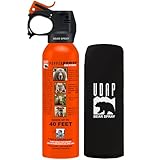
When heading into bear country, always carry bear spray. This reliable bear spray is a crucial last line of defense.
10. Report bear sightings.
- What to do: If you see a bear, especially one that seems unafraid of humans or is exhibiting aggressive behavior, report it to the land manager.
- What “good” looks like: Rangers have up-to-date information to protect other visitors.
- Common mistake: Not reporting a bear encounter, thinking it’s not a big deal. Your report could prevent a problem down the line.
Common mistakes (and what happens if you ignore them)
| Mistake | What it causes | Fix |
|---|---|---|
| Storing food in your tent | Bear enters tent, potential for injury, stolen food, damaged gear | Store all food and scented items in bear canisters or properly hung, 100 yards from your tent. |
| Cooking and eating near your tent | Attracts bears to your sleeping area, increasing risk of encounters | Set up a dedicated cooking area at least 100 yards downwind from your tent. |
| Leaving dirty dishes out overnight | Lingering food smells attract bears | Wash dishes immediately after meals and store them with your food. |
| Not securing trash properly | Bears scavenge trash, becoming habituated to human food and less fearful | Pack out all trash. Store it with your food in a bear-resistant container or hang it properly. |
| Not making noise while hiking | Surprising a bear, leading to a defensive reaction | Talk, sing, or clap your hands regularly, especially in areas with poor visibility. |
| Carrying bear spray but not knowing how to use it | Inability to deploy spray effectively in a stressful encounter | Practice drawing your bear spray. Know its range and how to aim. |
| Feeding bears (intentionally or unintentionally) | Bears become habituated, lose natural foraging instincts, become aggressive | Never feed bears. Secure all food and scented items to prevent accidental feeding. |
| Ignoring bear signs (scat, tracks, diggings) | Camping in an active bear area, increasing encounter risk | Scout your campsite thoroughly. Avoid areas with fresh bear signs. |
| Not checking fire restrictions | Illegal campfire leads to fines, potential wildfire, and danger | Always check current fire restrictions with the land manager before you go. |
| Improper greywater disposal | Attracts bears and other wildlife to your campsite | Strain food particles, scatter greywater widely away from camp and water sources, pack out solids. |
Decision rules (simple if/then)
- If you’re in grizzly country, then be extra vigilant because grizzlies are larger and can be more aggressive than black bears.
- If you smell food or garbage after setting up camp, then re-evaluate your storage methods because bears have an incredible sense of smell.
- If you see a bear, then do not run because running can trigger a chase response.
- If a bear approaches your camp, then make noise and try to look big because you want to deter it without provoking it.
- If you are hiking with a dog, then keep it on a leash because unleashed dogs can provoke bears and lead them back to you.
- If you are camping near a known bear den or feeding area, then choose a different campsite because you want to avoid conflict.
- If you are in an area with a high bear population, then consider using a bear canister even if not required because it offers the best protection.
- If you find a bear carcass, then avoid it and report it to the land manager because it could attract predators.
- If you hear a bear crashing through the brush, then stop and assess the situation before proceeding because it might be trying to avoid you.
- If you are cooking, then do so during daylight hours and clean up immediately because nighttime cooking is riskier.
- If you plan to hike in bear country, then research bear safety and carry bear spray because preparedness is key.
- If you are unsure about any aspect of bear safety, then consult the local land manager before your trip because they have the most current and relevant information.
If you plan to hike in bear country, then research bear safety and carry bear spray because preparedness is key. This bear spray is a highly recommended option for personal safety.
FAQ
Q: What’s the best way to repel a bear?
A: The most effective “repellent” is prevention. Secure your food and scented items. Clean camp thoroughly. Make noise while hiking. Carry bear spray as a last resort.
Carry bear spray as a last resort. This bear spray offers peace of mind when exploring the wilderness.
Q: Do black bears and grizzly bears require different safety measures?
A: Yes, generally. While basic food storage applies to both, grizzly country requires heightened awareness due to their size and potential for aggression. Always know which species you might encounter.
Q: How far away should my cooking area be from my tent?
A: Aim for at least 100 yards, and ideally downwind. This separation is critical to prevent food odors from attracting bears to your sleeping area.
Q: What if I encounter a bear on the trail?
A: Stay calm. Do not run. Speak in a calm, firm voice. Back away slowly, sideways, so you can keep an eye on the bear. Avoid direct eye contact.
Q: Is bear spray really effective?
A: Yes, bear spray is highly effective when used correctly. It’s designed to deter an attacking bear by creating a cloud of irritant that temporarily incapacitates them.
Yes, bear spray is highly effective when used correctly. Consider carrying this bear spray for your safety.
Q: What are “scented items”?
A: Anything with a smell that might attract a bear. This includes food, toothpaste, deodorant, sunscreen, bug spray, and even trash.
Q: Should I make noise all the time when hiking?
A: Not necessarily all the time, but periodically. Talk, sing, or clap your hands, especially when rounding blind corners or in dense vegetation where a bear might not see you coming.
Q: What do I do if a bear is attracted to my campsite?
A: Remain calm. Do not approach the bear. Make noise to try and scare it away, but if it persists, be prepared to use bear spray. Secure any accessible food immediately.
Q: Can I hang my food in a regular backpack?
A: No. Regular backpacks are not bear-proof. You need a bear-resistant canister or a proper bear hang using a strong bag and rope.
Q: What if I see a bear cub?
A: Never approach or try to interact with a bear cub. The mother bear is almost certainly nearby and will be very protective. Give them a wide berth.
What this page does NOT cover (and where to go next)
- Specific bear identification guides for every region.
- Detailed instructions on building advanced bear hangs.
- Legal ramifications of bear encounters in specific parks or wilderness areas.
- Advanced first-aid for bear attacks.
Next, you’ll want to:
- Research the specific bear species common to your destination.
- Learn about the Leave No Trace principles in more detail.
- Familiarize yourself with the regulations of the specific land management agency for your trip.
- Practice using bear spray in a safe, open area.

Camping Bob has spent over 20 years camping across the US — from BLM dispersed sites in the Southwest to KOA campgrounds in the Pacific Northwest. He writes practical, no-nonsense guides to help fellow campers get outdoors with confidence.