
Bear Mace Effectiveness: What Science Says
Quick answer
- Bear mace (pepper spray) is effective when used correctly.
- Proper aim and distance are crucial for success.
- It’s a deterrent, not a guarantee against attack.
- Always have a backup plan.
- Practice with inert spray to know your gear.
- Know your target area’s bear species and regulations.
What to check first (do this before you drive out)
Before you even think about packing the bear mace, do some homework. This isn’t just about having the right gear; it’s about knowing where you’re going and what you might encounter.
- Land manager / legality: Who’s in charge of the land? Is it the US Forest Service, BLM, National Park Service, or a state park? Different agencies have different rules. Some areas might have specific regulations about carrying or using bear spray. Always check the official website for the specific area you plan to visit.
- Access/road conditions: Can your rig actually get there? Is it a paved road, or are you looking at dirt tracks that turn into mud pits after rain? Know your vehicle’s capabilities. A Subaru Outback is great for some places, but a high-clearance 4×4 might be mandatory for others. Don’t get stuck miles from anywhere.
- Fire restrictions + weather + wind: This is big. Fire restrictions dictate if you can even have a campfire, but they also hint at dry conditions. Check the weather forecast for temperature, but more importantly, for wind. High winds can make bear spray useless, blowing it back in your face.
- Water plan + waste plan (Leave No Trace): How will you get your water, and how will you pack out all your trash? Leave No Trace principles are non-negotiable. Plan to filter or treat all water sources and pack out everything you pack in, including food scraps.
- Safety (wildlife, distance to help, comms): Beyond bears, what other wildlife should you be aware of? How far is the nearest ranger station or town? Cell service is a luxury, not a guarantee. Have a plan for emergencies, including letting someone know your itinerary.
Step-by-step (field workflow)
This is about being prepared and knowing what to do when the brown stuff hits the fan.
1. Carry your bear spray accessible:
- What to do: Keep it in a holster on your hip or chest strap, not buried in your pack.
- What “good” looks like: You can grab it and deploy it in under two seconds.
- Common mistake: Stowing it in a side pocket or the main compartment of your pack. You’ll be fumbling when you need it most.
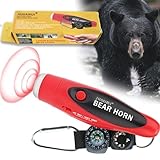
Ensure your bear deterrent spray is always accessible. A quick-draw holster can make all the difference in an emergency.
2. Know your spray:
- What to do: Understand its range (usually 25-30 feet), spray duration (often 6-9 seconds), and how to remove the safety clip.
- What “good” looks like: You can do this blindfolded.
- Common mistake: Not knowing how to operate it under stress. A quick practice with an inert can is a game-changer.
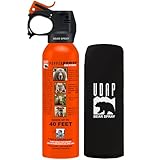
To truly know your spray, practice with an inert bear spray training can. It’s a safe way to build muscle memory for deployment.

3. Scan your surroundings:
- What to do: Constantly be aware of your environment. Look for fresh tracks, scat, or signs of digging.
- What “good” looks like: You notice subtle changes and potential animal presence before an animal notices you.
- Common mistake: Being glued to your phone or lost in thought. The wilderness doesn’t have a “pause” button.
4. Make noise:
- What to do: Talk, sing, or clap periodically, especially in areas with limited visibility like dense brush or near streams.
- What “good” looks like: Bears hear you coming and have time to move away.
- Common mistake: Silence. This is how surprise encounters happen.
5. Identify the animal:
- What to do: If you encounter a bear, try to determine its species (black bear or grizzly/brown bear) and its behavior.
- What “good” looks like: You can calmly assess the situation without escalating it.
- Common mistake: Panicking and assuming the worst. Not all bear encounters are aggressive.
6. Assess the bear’s behavior:
- What to do: Is it curious, defensive, or predatory? Defensive bears are often protecting cubs or food. Predatory bears might stalk you.
- What “good” looks like: You can differentiate between a bear wanting to avoid you and one seeing you as a threat or food source.
- Common mistake: Treating all bears the same. This can lead to an incorrect response.
7. Deploy bear spray (if necessary):
- What to do: Aim slightly downward at the bear’s face. Deploy in short bursts if the bear is still approaching.
- What “good” looks like: A cloud of irritant is directly in the bear’s face, causing it to disorient and retreat.
- Common mistake: Spraying too early (wasting it) or too late (too close). Also, spraying into the wind.
8. Maintain your position:
- What to do: After deploying spray, back away slowly, speaking calmly. Do not run.
- What “good” looks like: The bear retreats, and you can safely disengage.
- Common mistake: Turning and running. This can trigger a chase response.
9. Report the encounter:
- What to do: Notify the local land management agency about the bear encounter.
- What “good” looks like: The agency has up-to-date information to manage wildlife and inform other visitors.
- Common mistake: Not reporting it. This prevents others from being aware of potential issues in the area.
Common mistakes (and what happens if you ignore them)
| Mistake | What it causes | Fix |
|---|---|---|
| Not carrying bear spray | You have no deterrent if an aggressive encounter occurs. | Always carry it, accessible, every time you’re in bear country. |
| Storing bear spray in your pack | Inability to deploy it quickly when needed, potentially leading to injury. | Use a dedicated holster on your hip or chest strap. |
| Not knowing how to use your spray | Wasting spray, deploying it incorrectly, or getting it on yourself. | Practice with an inert can; read the instructions thoroughly. |
| Walking silently in bear country | Surprise encounters, increasing the chance of a defensive attack. | Make noise: talk, sing, clap periodically. |
| Underestimating wind conditions | Spray blows back on you, rendering it ineffective and potentially harmful. | Check wind direction and speed; deploy with the wind at your back if possible, or wait it out. |
| Approaching bears for photos | Provokes defensive behavior, risking injury to yourself and the bear. | Maintain a safe distance; use a zoom lens. Never feed bears. |
| Running from a bear | Can trigger a predatory chase response; bears are faster than you. | Stand your ground initially, then back away slowly if safe. |
| Assuming all bears are aggressive | Can lead to incorrect responses that escalate a situation. | Observe the bear’s behavior; identify species and intent before reacting. |
| Not reporting bear encounters | Prevents authorities from managing wildlife and warning other visitors. | Contact the local ranger station or land management agency after any significant encounter. |
| Using expired bear spray | Reduced effectiveness or complete failure of the irritant. | Check the expiration date on your can and replace it when necessary. |
| Not having a backup plan | Relying solely on bear spray, which can fail or be misused. | Know how to de-escalate, retreat, and what to do if an attack is unavoidable (play dead/fight back). |
Don’t make the mistake of not carrying bear spray. It’s your most effective deterrent in bear country.
Decision rules (simple if/then)
- If you are in known bear habitat, then always carry bear spray because it’s your primary defense tool.
- If the wind is strong and blowing towards you, then delay deploying your spray until the wind shifts or dies down because you don’t want it blowing back into your face.
- If you see fresh bear scat or tracks, then increase your noise output and be extra vigilant because you are in an area where a bear has recently been.
- If a bear is unaware of your presence, then slowly and quietly back away because you want to avoid an encounter altogether.
- If a bear is aware of you but not aggressive, then speak in a calm voice and wave your arms slowly to identify yourself as human because you want to de-escalate the situation.
- If a bear is acting defensively (huffing, swatting the ground, ears back), then slowly back away and do not make direct eye contact because you don’t want to appear as a threat.
- If a bear is acting predatory (stalking you, ears forward, focused attention), then prepare to use your bear spray and make yourself appear larger because this is a more dangerous situation.
- If a bear is charging and you have no other option, then deploy your bear spray when it is within range because it’s designed to deter an attack.
- If a grizzly bear makes contact and you have played dead for a defensive attack, then remain still until the bear leaves because continuing to fight may re-aggravate it.
- If a black bear makes contact and playing dead isn’t working, then fight back with everything you have because black bears are more likely to be predatory.
- If you are unsure of the bear species or its intent, then treat it as a potentially aggressive encounter and prepare to use your spray because caution is always best.
- If your bear spray is empty or ineffective, then immediately try to escape to a safe location like a vehicle or building if possible because you need an alternative safety measure.
FAQ
How effective is bear mace against bears?
Studies and real-world incidents show bear spray is highly effective when used correctly. It disorients bears, giving you time to escape.
What’s the difference between bear spray and pepper spray for humans?
Bear spray has a higher concentration of capsaicinoids and a larger volume, designed to create a cloud effective against a large animal at a distance. Human pepper spray is typically less potent and has a more focused stream.
Can bear spray hurt me?
Yes, if you’re too close, spray yourself accidentally, or if the wind blows it back on you. It causes temporary blindness, respiratory irritation, and burning sensations.
What should I do if I spray a bear and it keeps coming?
This is rare, but if it happens, continue backing away. If it’s a grizzly and you’ve played dead, stay still. If it’s a black bear and it’s attacking, fight back.
How long does bear spray last?
The spray itself can remain effective for several years if stored properly, but always check the expiration date. Once deployed, it’s gone.
Do I need a permit to carry bear spray?
Generally, no, in most US states and national parks where it’s allowed. However, always check local regulations for specific areas.
What’s the best range to use bear spray?
Most bear sprays are effective between 10 and 30 feet. It’s best to deploy it when the bear is at the closer end of that range, but still far enough away that you don’t spray yourself.
Should I carry bear spray in my backpack?
Absolutely not. It needs to be immediately accessible on your person, like in a hip holster or chest strap, so you can grab it in seconds.
What if I run out of bear spray?
If you’ve used it all and the bear is still a threat, your options depend on the bear’s behavior. Try to retreat to safety, make yourself look big, and if attacked, fight back.
What this page does NOT cover (and where to go next)
- Specific campsite regulations or reservation details for any particular park. (Check the official park or land manager website.)
- Detailed instructions on how to identify every single bear species and subspecies. (Consult wildlife guides for your specific region.)
- Legal ramifications of using bear spray in non-defensive situations. (Review local laws and park regulations.)
- Advanced wilderness survival techniques beyond basic bear encounter preparedness. (Look for advanced wilderness survival courses.)
- The best types of hiking boots or camping gear. (Research gear reviews and outdoor equipment retailers.)

Camping Bob has spent over 20 years camping across the US — from BLM dispersed sites in the Southwest to KOA campgrounds in the Pacific Northwest. He writes practical, no-nonsense guides to help fellow campers get outdoors with confidence.