
Average Camping Durations and Trends
Quick answer
- Most casual campers do weekend trips, 2 nights.
- Serious backpackers and thru-hikers might camp for weeks or months.
- Summer and holidays see longer trips.
- Trip length depends on location, season, and personal goals.
- Planning is key for any duration.
- Leave No Trace applies no matter how long you’re out.
What to check first (do this before you drive out)
Before you even think about packing, you need to know the lay of the land. This is non-negotiable.
- Land manager / legality: Who actually owns or manages the land you’re heading to? Is it National Forest, BLM, a State Park, or private? Different agencies have different rules about camping, permits, and how long you can stay. A quick look at their website or a phone call can save you a headache. I once ended up on private land by accident. Not fun.
- Access/road conditions: Can your rig actually get there? Check if the roads are paved, gravel, or just tracks. Is it 2WD friendly, or do you need AWD/4WD? Especially after rain or snow, roads can get gnarly. Look for recent trip reports or call the ranger station.
- Fire restrictions + weather + wind: This is a big one. Fire bans are common and serious. Check the current restrictions. Also, look at the forecast. High winds can make campfires dangerous, even if allowed. Extreme heat or cold can impact your comfort and safety.
- Water plan + waste plan (Leave No Trace): Where will you get water? Is there a reliable source, or do you need to pack it all in? And what about waste? Pack it in, pack it out. That includes trash, food scraps, and human waste where required. Know the LNT principles for the area.
- Safety (wildlife, distance to help, comms): What wildlife is in the area? Know how to store food properly. How far is the nearest town or ranger station? Cell service is often spotty or non-existent. Tell someone where you’re going and when you expect to be back.
Step-by-step (field workflow)
This is how you set up camp, whether it’s for one night or five.
1. Arrive at the general area: You’ve done your homework. You know the zone.
- Good looks like: You’re on the right track, roads are passable.
- Mistake: Driving deep into an area without confirming it’s legal or accessible. Avoid this by checking maps and ranger advice before you go.
2. Scout for a legal campsite: Look for established spots or areas where dispersed camping is allowed. Follow LNT principles – camp on durable surfaces, away from water sources.
- Good looks like: A flat, clear spot, not trampling vegetation, a minimum distance from lakes or streams.
- Mistake: Setting up camp right on a social trail or too close to water. This degrades the environment. Stick to existing sites or follow specific guidelines.
3. Assess the immediate site: Check for hazards like dead trees (widowmakers), ant hills, or drainage paths that could flood.
- Good looks like: A safe, relatively level spot free of obvious dangers.
- Mistake: Ignoring overhead hazards. A falling branch can ruin your trip, or worse. Always look up.
4. Set up shelter: Pitch your tent or set up your tarp system. Orient it for wind and sun.
- Good looks like: A taut, secure shelter that will withstand the elements.
- Mistake: Pitching your tent facing directly into the prevailing wind or in a spot that will bake in the afternoon sun. Think about comfort and protection.
5. Organize your gear: Unpack essentials. Food goes in bear-proof containers or hung properly. Cooking gear, sleeping bags, and clothing should be accessible.
- Good looks like: Everything has a place, and your food is secured from critters.
- Mistake: Leaving food scattered or accessible. Bears, raccoons, and mice love an easy meal and can trash your camp.
6. Establish water source and purification: If you’re not packing all your water, get it from your source and start filtering or treating it.
- Good looks like: Clean, potable water ready for drinking and cooking.
- Mistake: Drinking untreated water. Giardia is not a fun souvenir. Always purify.
7. Plan for waste disposal: Dig a cathole for human waste if no facilities exist, at least 200 feet from water, camp, and trails. Pack out all trash.
- Good looks like: A discreet cathole and all trash secured for packing out.
- Mistake: Leaving toilet paper or trash behind. It’s unsightly and harmful. Pack it all out.
8. Prepare for the evening/night: Gather firewood (if permitted and available), set up your cooking area, and get your sleeping gear ready.
- Good looks like: A comfortable, organized camp with your needs met for the night.
- Mistake: Waiting until it’s dark to do essential tasks like gathering wood or setting up your sleeping bag. You’ll be fumbling in the dark.
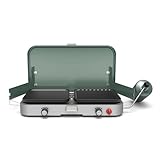
For cooking delicious meals on any trip, consider bringing a reliable camping stove. It makes meal prep easy and efficient, whether you’re out for a weekend or a week.
Common mistakes (and what happens if you ignore them)
| Mistake | What it causes | Fix |
|---|---|---|
| Not checking fire restrictions | Fines, wildfire, destruction of habitat. | Always check official park/forest service websites or call the ranger station for current fire bans <em>before</em> you leave home. |
| Ignoring road conditions | Getting stuck, vehicle damage, needing rescue. | Research road conditions; know your vehicle’s limits; carry appropriate gear (e.g., traction boards, recovery straps) if going off-road. |
| Improper food storage | Attracting wildlife, damaged gear, potential dangerous encounters with animals. | Use bear canisters/bags, hang food properly, or use designated food lockers. Never leave food unattended. |
| Camping too close to water | Water contamination, habitat destruction, increased impact on sensitive areas. | Follow LNT guidelines for setback distances from lakes, streams, and rivers (usually 200 feet). |
| Not packing out all trash | Environmental pollution, attracting pests, making the area look bad for others. | Bring trash bags and a plan to pack <em>everything</em> out, including food scraps and toilet paper. |
| Failing to check weather | Uncomfortable or dangerous conditions (hypothermia, heatstroke, wind damage). | Check multiple forecasts; be prepared for unexpected changes; pack layers and appropriate gear for the expected conditions. |
| Ignoring land manager rules | Fines, being asked to leave, damage to your reputation and future access. | Know who manages the land and understand their specific regulations regarding camping, permits, and duration. |
| Not telling anyone your plans | Delayed rescue if something goes wrong. | Leave a detailed itinerary with a trusted person: where you’re going, when you’ll be back, and who to contact if you don’t check in. |
| Setting up camp on fragile vegetation | Long-term damage to the ecosystem, erosion, visual blight. | Camp on durable surfaces like rock, sand, gravel, or established campsites. Avoid meadows and delicate plant life. |
| Not having a solid water plan | Dehydration, carrying excessive weight, or drinking unsafe water. | Know your water sources; carry a reliable filter or purification method; always treat water from natural sources. |
Decision rules (simple if/then)
- If the road is marked “high clearance 4WD only” and you have a sedan, then do not proceed, because you will likely get stuck or damage your vehicle.
- If there is a red flag warning or extreme wind advisory, then postpone your campfire plans, because high winds make fires incredibly dangerous and hard to control.
- If you are camping in bear country, then use a bear canister or hang your food properly, because leaving food accessible can lead to dangerous animal encounters and habituation.
- If you see an established campsite, then use it, because it minimizes your impact on the environment compared to creating a new site.
- If you plan to camp for more than 2 nights in an area without facilities, then bring a trowel and know how to dig a proper cathole, because proper human waste disposal is crucial for LNT.
- If the weather forecast shows significant precipitation or temperature drops, then pack extra warm layers and waterproof gear, because hypothermia is a serious risk even in mild climates.
- If you are unsure about the legality of dispersed camping in an area, then contact the relevant land management agency (USFS, BLM, etc.), because rules vary widely and ignorance isn’t a defense.
- If you are backpacking and water sources are scarce, then carry a water filter or purification tablets, because staying hydrated is essential for performance and health.
- If you are in a popular park during peak season, then expect to need reservations and plan far in advance, because prime spots fill up quickly.
- If you encounter wildlife, then keep your distance and do not feed them, because feeding animals can lead to dangerous dependency and aggression.
- If you are going to be out of cell service for more than 24 hours, then leave a detailed itinerary with someone reliable, because this is your lifeline if something goes wrong.
- If you are planning a multi-day trip, then test your gear beforehand, because discovering a problem with your tent or stove on day one of a long trip is a major buzzkill.
If you are planning a multi-day trip, then test your gear beforehand. This includes making sure your camping stove is working perfectly before you head out.
FAQ
How long do most people camp for on a typical weekend trip?
Most folks stick to a two-night weekend trip, usually arriving Friday evening and leaving Sunday afternoon. It’s a solid balance of getting out there without taking too much time off work.
What’s the difference between car camping and backpacking trip lengths?
Car camping often allows for more gear and comfort, so people might stay longer, say 3-5 nights. Backpacking trips are more strenuous; people often aim for shorter, more intense trips, though thru-hikers can go for months.
Are longer camping trips more common in certain seasons?
Yeah, definitely. Summer is prime time for longer vacations, so you’ll see more week-long or even two-week trips happening then. Shoulder seasons might see shorter, more focused trips.
Does proximity to a major city affect how long people camp?
Generally, yes. Campsites closer to urban areas tend to be popular for shorter, weekend trips because they’re easier to access. Remote spots might attract those looking for longer, more immersive experiences.
What if I want to camp for an extended period, like a week or more?
You’ll need to plan ahead, especially for permits and supplies. Longer trips require more food, water planning, and a solid understanding of Leave No Trace principles to minimize your impact over time.
How does the type of camping (e.g., RV vs. tent) influence duration?
RV camping often feels more like a home away from home, so people might stay put for longer periods, sometimes weeks. Tent camping, especially dispersed camping, often leans towards shorter, more mobile stays.
Is there a legal limit on how long you can camp in one spot?
Absolutely. Most public lands have limits, often 14 or 16 days within a 30-day period for dispersed camping. Always check the specific regulations for the area you’re visiting.
What are the biggest challenges with longer camping trips?
Logistics are huge. You need to manage food spoilage, water purification, waste disposal, and staying mentally engaged. Plus, gear can wear out or break over extended periods.
For longer trips, a durable camping stove is essential. Ensure it’s well-maintained to avoid issues with cooking over extended periods.
What this page does NOT cover (and where to go next)
- Specific campsite booking procedures and reservation windows. (Check park/agency websites)
- Detailed gear reviews or recommendations for specific trip lengths. (Look for gear guides)
- In-depth wildlife safety protocols for every species. (Consult wildlife agency resources)
- Advanced navigation and survival skills. (Seek out specialized training courses)
- The best places to camp for specific durations. (Research destination-specific guides)

Camping Bob has spent over 20 years camping across the US — from BLM dispersed sites in the Southwest to KOA campgrounds in the Pacific Northwest. He writes practical, no-nonsense guides to help fellow campers get outdoors with confidence.