
A Step-by-Step Guide to Building a Campfire
Quick answer
- Check the rules first. Always know the fire restrictions for where you’re going.
- Location, location, location. Pick a safe spot, away from trees and dry brush.
- Gather your fuel. You’ll need tinder, kindling, and larger fuel wood.
- Build a solid base. Start small and gradually increase the size of your wood.
- Light it right. Get the tinder going, then feed the flames gently.
- Keep it contained. Use a fire ring or pit if available.
- Extinguish completely. Douse, stir, and feel for heat.
What to check first (do this before you drive out)
Before you even think about lighting a match, you gotta do your homework. This isn’t just about making a fire; it’s about being a responsible camper.
- Land manager / legality: Who’s in charge of the land you’re heading to? Is it National Forest, BLM land, a State Park, or private property? Each has its own set of rules. The Forest Service or BLM will have specific regulations for campfires, and State Parks usually have designated fire rings. Always check the official website for the specific area you plan to visit. Ignorance isn’t a good excuse when it comes to fire bans.
- Access/road conditions: Can your rig actually get there? Some remote spots require high clearance or 4WD. Heavy rain can turn a dirt road into a mud pit faster than you can say “oops.” Check recent reports if you can, or at least know what you’re getting into before you commit. I learned that lesson the hard way, stuck on a logging road with my old Subaru.
- Fire restrictions + weather + wind: This is huge. Fire restrictions change constantly based on conditions. A “burn ban” means no fires, period. Even if fires are allowed, extreme dryness and high winds are a recipe for disaster. Check the local fire danger rating and the weather forecast. If it’s gusty, maybe reconsider.
- Water plan + waste plan (Leave No Trace): Got water to put the fire out? You need plenty. Think a few gallons, not just a water bottle. And what about trash? Pack it in, pack it out. Don’t burn your garbage; it pollutes and attracts critters.
Always have plenty of water on hand to extinguish your fire. A durable water storage container can ensure you have several gallons readily available.

- Safety (wildlife, distance to help, comms): Keep a safe distance from tents and overhanging branches. Be aware of your surroundings – animals might be curious. Know how far the nearest ranger station or town is. Cell service is often spotty in the backcountry, so let someone know your plans.
Step-by-step (field workflow)
Alright, you’ve done your homework. The coast is clear, and you’re ready to make some warmth.
1. Scout your spot.
- What to do: Find a level area, at least 10-15 feet away from anything flammable – trees, bushes, dry grass, your tent. If there’s an existing fire ring or pit, use it.
- What “good” looks like: A clear, safe space that won’t spread fire.
- Common mistake: Picking a spot too close to vegetation or under low-hanging branches. This can lead to a wildfire. Always clear a wide berth.
2. Clear the area.
- What to do: If no fire ring exists, clear a 10-foot diameter circle down to bare mineral soil. Remove all leaves, grass, twigs, and pine needles.
- What “good” looks like: A patch of dirt, no organic material that can smolder.
- Common mistake: Not clearing enough space. A stray ember can travel surprisingly far.
3. Gather your tinder.
- What to do: This is the stuff that catches a spark easily. Think dry leaves, birch bark shavings, cotton balls soaked in petroleum jelly, or commercial fire starters.
- What “good” looks like: A fluffy, dry pile that will ignite with a single match or lighter flame.
- Common mistake: Using damp or green tinder. It just won’t light, no matter how much you blow on it.
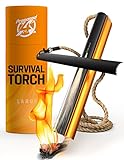
For an easier start, consider bringing a reliable camping fire starter kit. These kits often include waterproof tinder and reliable igniters.
4. Gather your kindling.
- What to do: These are small, dry twigs, about pencil-lead to pencil-thick. They catch fire from the tinder and help build the flame.
- What “good” looks like: A good handful of various sizes, all dry.
- Common mistake: Gathering wood that’s too large. It won’t catch from the tinder. Stick to the small stuff first.
5. Gather your fuel wood.
- What to do: These are larger pieces of dry, dead wood. Start with pieces about thumb-thick, then move up to wrist-thick. Never cut live trees or branches.
- What “good” looks like: A decent supply of dry, dead wood in various sizes, ready to keep the fire going.
- Common mistake: Bringing wet or green wood. It smokes a lot and burns poorly, if at all.
6. Build your fire structure.
- What to do: There are a few ways, but a simple teepee or log cabin works well. For a teepee, place the tinder in the center, lean kindling around it, then lean larger fuel wood around the kindling. For a log cabin, place two pieces of fuel wood parallel, then two more on top perpendicular, creating a square. Place tinder and kindling inside.
- What “good” looks like: A structure that allows air to flow but will hold the tinder and kindling in place.
- Common mistake: Packing the wood too tightly. Fire needs oxygen to burn. Leave gaps.
7. Light the tinder.
- What to do: Light the tinder from the bottom or upwind. Use a long match or lighter to keep your fingers safe.
- What “good” looks like: The tinder is burning well and igniting the smallest pieces of kindling.
- Common mistake: Not protecting the flame from wind. Cup your hands or use your body to shield it.
8. Feed the flames.
- What to do: Once the kindling catches, gently add more kindling. As the flames grow, slowly add your smaller fuel wood, then gradually larger pieces. Don’t smother the flames.
- What “good” looks like: A steady, controlled fire that grows without getting out of hand.
- Common mistake: Adding too much wood too soon. This can kill the flame or create a huge, uncontrollable blaze.
9. Maintain the fire.
- What to do: Add wood as needed to keep it going. Keep an eye on it at all times.
- What “good” looks like: A comfortable, contained fire.
- Common mistake: Walking away and leaving it unattended. Even a small fire can become a problem quickly.
10. Extinguish completely.
- What to do: Douse the fire with water. Stir the ashes and embers with a shovel or stick. Douse again. Repeat until everything is cool to the touch.
- What “good” looks like: No glowing embers, no smoke, and the ashes are cold.
- Common mistake: Thinking it’s out when it’s just stopped flaming. Embers can smolder for hours and reignite.
A sturdy folding camp shovel is indispensable for stirring ashes and ensuring your fire is completely extinguished. It’s also great for clearing your fire area.

Common mistakes (and what happens if you ignore them)
| Mistake | What it causes | Fix |
|---|---|---|
| Not checking fire restrictions | Fines, wildfire, arrest | Always check the land manager’s website and local fire danger rating before you go. |
| Building fire on dry grass or duff | Uncontrolled spread, wildfire | Clear a 10-foot radius down to mineral soil, or use an existing fire ring. |
| Using wet or green wood | Smoke, poor flame, frustration | Gather only dry, dead wood. If it snaps easily, it’s likely dry. |
| Adding too much wood too quickly | Smothering the flame, uncontrolled flare-up | Start small and gradually increase fuel size as the fire grows. Allow air to circulate. |
| Leaving fire unattended | Wildfire, property damage | Never leave a fire unsupervised. Assign someone to watch it. |
| Not having enough water to extinguish | Smoldering embers, reignition, wildfire | Have several gallons of water readily available. A shovel is also essential for stirring. |
| Burning trash in the campfire | Air pollution, attracts wildlife, leaves non-burnable residue | Pack out all trash. Use a designated trash bag. |
| Building a fire too close to tents/trees | Fire damage to gear, potential wildfire | Maintain at least 15 feet of clearance from all flammable materials. |
| Not stirring embers when extinguishing | Embers can hide and reignite later | Use a shovel or stick to thoroughly mix ashes and embers with water until completely cool. |
| Not extinguishing fire completely | Wildfire, potential legal consequences | The “douse, stir, feel” method is critical. If it’s too hot to touch, it’s too hot to leave. |
Decision rules (simple if/then)
- If fire restrictions are at “high” or “extreme,” then do not build a fire because the risk of wildfire is too great.
- If the wind is gusting over 15 mph, then reconsider building a fire because embers can travel easily and start spot fires.
- If you can’t find a designated fire ring, then clear a 10-foot diameter circle down to bare soil before starting because you need a safe zone.
- If your tinder is damp, then find drier material or use a commercial fire starter because wet tinder won’t catch a spark.
- If your kindling is too thick (like your thumb), then find smaller twigs because the flame needs to grow from small to large.
- If you are in a “no burn” zone, then do not build any fire, period, because it’s illegal and dangerous.
- If your fuel wood is green or wet, then don’t bother using it because it will smoke more than burn and won’t provide good heat.
- If you are more than 15 minutes from a water source (and don’t have plenty with you), then rethink building a fire because you need to be able to extinguish it properly.
- If you see any spark or ember escaping your fire pit, then immediately extinguish it because it’s a sign the fire is not contained.
- If you are unsure about the rules for the specific area, then err on the side of caution and do not build a fire until you confirm legality.
FAQ
Q: How big should my campfire be?
A: Keep it small and manageable. A roaring bonfire isn’t necessary for cooking or warmth and is harder to control. Aim for a size that fits comfortably within your fire ring or cleared area.
Q: Can I burn logs in my campfire?
A: Only if they are dry and dead. Large logs can burn for a long time and are difficult to extinguish completely. Focus on smaller, manageable pieces of wood.
Q: What’s the difference between tinder and kindling?
A: Tinder is the super-flammable material that catches a spark or flame (like dry leaves or birch bark). Kindling is slightly larger, dry twigs that catch fire from the tinder and build the flame up.
Q: Is it okay to use lighter fluid?
A: While it can help, it’s often not necessary and can leave a chemical smell. Plus, it can be dangerous if not used carefully. Dry tinder and kindling are usually sufficient.
Q: What if it starts to rain while I’m camping?
A: If it’s just a light shower, your fire might be okay if it’s well-established. However, heavy rain can make it difficult to keep a fire going and can also make the ground slippery around the fire pit.
Q: How do I know if my fire is completely out?
A: It should be cold to the touch. Douse with water, stir the ashes and embers thoroughly, and douse again. Feel the ashes with the back of your hand; if you feel any heat, it’s not out.
Q: Can I burn wet wood if I have to?
A: It’s not ideal. Wet wood will smoke excessively and burn poorly. If you absolutely must use it, try to dry it out near an existing fire first.
Q: Are there any alternatives to campfires?
A: Absolutely. Portable camp stoves are efficient and reliable for cooking. For ambiance, consider LED lanterns or battery-powered string lights.
What this page does NOT cover (and where to go next)
- Campfire cooking techniques: This guide focuses on building the fire itself. Once you have a good fire, you’ll want to learn how to cook over it.
- Advanced fire-starting methods: We covered the basics, but there are more advanced techniques for survival situations.
- Specific regional fire regulations: Always check the official websites for the land management agency (USFS, BLM, NPS, State Parks) for the exact area you’re visiting.
- Fire safety equipment: While we mentioned water and a shovel, specific kits and advanced safety gear are beyond this basic guide.
- Leave No Trace principles in depth: This guide touches on waste and fire safety, but LNT is a broader philosophy for minimizing your impact.