
Understanding Campfire Temperatures and Burning
Quick answer
- Campfires burn hot, often reaching 1100°F (593°C) for embers.
- Flame temperatures can be higher, but the usable heat is from coals.
- Cooler fires mean less efficient burning, more smoke, and potential for spreading.
- The type of wood, airflow, and moisture content dictate burn temperature.
- Always follow fire restrictions and have water/tools ready.
- Know your fire’s limits before you start.
What to check first (do this before you drive out)
Before you even think about striking a match, do your homework. This isn’t just about having fun; it’s about being responsible.
- Land manager / legality: Who owns this land? Is it National Forest, BLM, State Park, or private? Each has its own rules. Some areas might have total fire bans. Always check the official website or call the ranger station. Ignorance isn’t a good excuse when a ranger shows up.
- Access/road conditions: How are the roads looking? Is it a paved road or a rough dirt track? Your trusty sedan might be fine for some spots, but others will demand AWD or high clearance. Don’t get stuck miles from anywhere. Check recent reports if you can.
- Fire restrictions + weather + wind: This is HUGE. Are campfires allowed at all? Check for burn bans. Even if they are allowed, consider the weather. High winds are a fire’s best friend. Check the forecast for temperature, humidity, and wind speed. If it’s dry and windy, maybe skip the fire and break out the camp stove.
- Water plan + waste plan (Leave No Trace): Got water? You need plenty of water to douse your fire completely. Not just a little bit. And what about trash? Pack it in, pack it out. Don’t burn your trash; it pollutes and often doesn’t burn completely.
- Safety (wildlife, distance to help, comms): Keep a safe distance from your tent and any dry vegetation. Know where the nearest ranger station or emergency services are. Cell service is often spotty, so have a plan for communication if something goes wrong.
Step-by-step (field workflow)
Getting a good, hot fire going safely takes a little finesse. It’s not just about piling on logs.
1. Choose your spot: Find a designated fire ring or a safe, bare spot away from trees, bushes, and overhanging branches.
- Good looks like: A cleared area, preferably with an existing ring.
- Common mistake: Setting up too close to dry grass or trees. Avoid this by clearing a wide circle around your fire pit.
2. Gather your fuel: Collect three types of wood: tinder (tiny, fluffy stuff), kindling (pencil-thin twigs), and fuel wood (finger-thick to wrist-thick branches).
- Good looks like: A good pile of each, ready to go.
- Common mistake: Not gathering enough tinder and kindling. You’ll be scrambling for wood when you need it most.
For easier fire starting, consider bringing some reliable campfire tinder. It can make a big difference, especially in damp conditions.
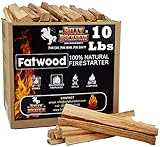
3. Prepare the base: Clear any remaining debris from your fire pit. If you don’t have a ring, dig a shallow pit or build a ring of rocks.
- Good looks like: A clean, contained area.
- Common mistake: Leaving flammable material in or around the pit. Always clear a 10-foot radius.
4. Build your structure: Arrange a small nest of tinder in the center. Lean kindling over it in a teepee or log cabin shape.
- Good looks like: A structure that allows airflow but will catch easily.
- Common mistake: Packing the kindling too tight, choking off air. Loosen it up!
5. Light the tinder: Use a match or lighter to ignite the tinder. Shield it from wind.
- Good looks like: The tinder catching and burning well.
- Common mistake: Using a wet match or not shielding the flame. Try a few times if needed.
If you’re struggling to get your fire going, a good quality campfire tinder can be a lifesaver. It provides a consistent flame to ignite your kindling.
6. Feed the flame: As the kindling catches, gently add more kindling, then progressively larger pieces of fuel wood.
- Good looks like: A steady flame that grows without dying down.
- Common mistake: Adding too much wood too soon, smothering the young flames. Go slow and steady.
7. Establish the coals: Once you have a good bed of burning logs, let them burn down to glowing coals. This is where the real heat comes from.
- Good looks like: A bed of red, glowing embers. This is your cooking surface.
- Common mistake: Trying to cook over high flames. Coals provide more consistent heat.
8. Manage the fire: Keep adding fuel wood as needed to maintain coals. Don’t let the fire get out of control.
- Good looks like: A contained fire that provides heat and light without being excessive.
- Common mistake: Letting the fire grow too large, consuming more wood than necessary and becoming harder to manage.
9. Prepare for extinguishing: Before you go to bed or leave camp, stop adding wood. Let the fire burn down as much as possible.
- Good looks like: A significantly reduced fire, mostly coals.
- Common mistake: Leaving a roaring fire unattended.
10. Douse thoroughly: Pour water over all the embers and ashes. Stir them with a shovel. Pour more water. Repeat until everything is cool to the touch.
- Good looks like: No smoke, no steam, and no heat when you touch the ashes with the back of your hand (carefully!).
- Common mistake: Not dousing thoroughly. Embers can reignite hours later.
11. Check again: Feel the ashes with the back of your hand. If it’s too hot to touch, it’s too hot to leave.
- Good looks like: Completely cold ashes.
- Common mistake: Assuming it’s out just because there are no flames.
12. Leave no trace: Scatter the cooled ashes if you made your own pit. Pack out any trash. Leave the site cleaner than you found it.
- Good looks like: A site that looks like you were never there, or at least better than you found it.
- Common mistake: Leaving trash or unburned wood behind.
Common mistakes (and what happens if you ignore them)
| Mistake | What it causes | Fix |
|---|---|---|
| Not checking fire restrictions | Fines, damage to natural resources, wildfires | Always check official sources before you go. |
| Building a fire in high winds | Rapid spread, out-of-control wildfire | Postpone the fire or use a stove. Check wind speed and direction. |
| Not clearing enough space around the fire | Fire spreading to vegetation, potential wildfire | Clear a 10-foot radius of all flammable materials. |
| Using wet or green wood | Excessive smoke, poor heat, smoldering fire | Gather dry, dead wood. Let it season if possible. |
| Not gathering enough tinder/kindling | Frustration, difficulty starting the fire | Collect ample amounts of small, dry material before starting. |
| Piling on too much wood too soon | Smothering the fire, less heat, more smoke | Add wood gradually as the fire grows stronger. |
| Not having enough water to extinguish | Unattended embers, potential reignition, wildfire | Bring more water than you think you need. Keep it nearby. |
| Not dousing the fire completely | Embers reigniting later, wildfire | Stir ashes and douse with water until completely cold to the touch. |
| Burning trash in the campfire | Air pollution, incomplete combustion, attracts animals | Pack out all trash. Use a camp stove for cooking if possible. |
| Leaving a fire unattended | Accidental spread, embers reigniting | Never leave a fire unattended, even for a short time. |
| Not monitoring the fire’s size | Wasted wood, difficulty managing, potential spread | Keep the fire to a manageable size for your needs. |
| Assuming fire is out after flames die down | Hidden embers can reignite | Always check for heat with the back of your hand after dousing. |
Decision rules (simple if/then)
- If fire restrictions are in place, then do not build a campfire because it’s illegal and dangerous.
- If the wind is gusting over 15 mph, then reconsider building a fire because it’s a major wildfire risk.
- If you don’t have at least 5 gallons of water readily accessible, then don’t start a fire because you need ample water to extinguish it.
- If the ground is covered in dry grass or leaves, then use a designated fire ring or a portable fire pit because building on bare ground can still be risky.
- If your wood is damp or green, then don’t expect a hot, clean burn because it will smolder and produce a lot of smoke.
- If you are cooking, then aim for a bed of hot coals, not roaring flames, because coals provide more consistent heat.
- If you are unsure about the land ownership or rules, then call the local ranger station before you go because it’s better to be safe than sorry.
- If you see smoke or embers escaping your fire pit, then immediately take action to contain it because it’s a sign of a potential problem.
- If you are packing up to leave, then start the extinguishing process at least an hour before you plan to depart because it takes time to cool completely.
- If you can’t get your fire to burn hot and clean, then don’t force it; consider using your camp stove because a smoky, smoldering fire is unpleasant and inefficient.
- If you are in an area with lots of dead, dry vegetation, then be extra vigilant about fire control because the risk is significantly higher.
- If you are camping with children, then establish clear rules about fire safety and supervise them closely because their curiosity can lead to accidents.
FAQ
How hot does a campfire actually get?
The embers in a campfire can reach temperatures around 1100°F (593°C). The flames themselves can get hotter, but the usable heat for cooking and warmth comes from the glowing coals.
Does the type of wood matter for fire temperature?
Absolutely. Denser hardwoods like oak or maple burn hotter and longer than softwoods like pine. Dry wood burns hotter than wet or green wood, which just smolders and smokes.
Why is airflow important for a campfire’s heat?
Fire needs oxygen to burn. Good airflow allows the fire to breathe, leading to a hotter, more efficient burn with less smoke. If you choke it off, it will die down.
What’s the difference between flame temperature and ember temperature?
Flame temperature is the heat of the visible fire, which can be very high but inconsistent. Ember temperature is the heat of the glowing coals, which provides a more stable and useful heat source for cooking and warmth.
Can I burn my trash in a campfire?
It’s generally a bad idea. Most trash doesn’t burn completely, leaving behind pollutants and potentially harmful residues. Plus, it can attract wildlife. Pack it out instead.
How do I know if my campfire is completely out?
The best test is to carefully feel the ashes with the back of your hand. If it’s too hot to touch, it’s too hot to leave. No smoke or steam should be visible either.
What does “Leave No Trace” mean for campfires?
It means minimizing your impact. Use existing fire rings, keep fires small, burn only wood, and ensure the fire is completely out and the site is clean before leaving.
Why is it sometimes hard to get a fire started?
Often, it’s due to damp wood, insufficient tinder/kindling, or poor airflow. Make sure you have plenty of dry, small materials and a structure that allows air to circulate.
To avoid frustration when starting a fire, always ensure you have plenty of dry tinder. High-quality campfire tinder can significantly improve your chances of a quick, successful ignition.
What this page does NOT cover (and where to go next)
- Specific fire regulations for individual parks or forests (check their official websites or call).
- Advanced fire-starting techniques for survival situations (look for wilderness survival guides).
- Detailed information on building different types of fire structures (research camping forums or books).
- Legal ramifications of illegal fires (consult local law enforcement or park rangers).
- The science of combustion and flame dynamics (academic resources).

Camping Bob has spent over 20 years camping across the US — from BLM dispersed sites in the Southwest to KOA campgrounds in the Pacific Northwest. He writes practical, no-nonsense guides to help fellow campers get outdoors with confidence.