
Keeping Ice From Melting in Your Cooler Longer
Quick answer
- Pre-chill your cooler. It’s a game-changer.
- Use block ice or frozen water bottles. They last way longer than cubes.
- Pack it tight. Air is the enemy of cold.
- Keep it in the shade. Direct sun is a fast melt.
- Limit opening. Every peek lets warm air in.
- Consider a second cooler. One for drinks, one for food.
- Insulate your cooler. Blankets or sleeping bags work.
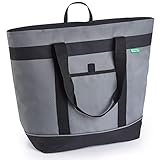
For the best results, consider investing in a high-quality insulated cooler like this one, designed to keep your contents colder for longer.
What to check first (do this before you drive out)
Before you even think about packing the cooler, there are a few crucial checks. Get these right, and you’ll be a happy camper with cold drinks.
Land manager / legality
Know who owns the land you’re heading to. Is it National Forest, BLM, a State Park, or private? This determines rules about campfires, food storage (especially if bears are around), and where you can legally camp. A quick look at the managing agency’s website is usually all it takes.
Access/road conditions
Is that dirt road going to swallow your sedan whole? Check recent reports if you can. A high-clearance vehicle or 4WD might be necessary. Don’t get stuck miles from anywhere. I learned that lesson the hard way with a blown tire on a logging road once. Not fun.
Fire restrictions + weather + wind
This is non-negotiable. Fire bans are common, especially in dry seasons. Check the local fire danger rating and any burn bans before you leave. Also, look at the weather forecast and wind speed. High winds can make fires difficult to manage and extreme heat will absolutely wreck your ice.
Water plan + waste plan (Leave No Trace)
How much water do you need? Bring extra. For waste, pack it in, pack it out. That includes food scraps, wrappers, and anything else you bring. Plan to carry out all your trash.
Safety (wildlife, distance to help, comms)
What kind of wildlife is in the area? Know how to store food safely to avoid unwanted visitors. How far is the nearest ranger station or town? Do you have cell service? Consider a satellite communicator for remote areas. It’s better to have it and not need it.
Step-by-step (field workflow)
Here’s how to get your cooler dialed in for maximum chill.
1. Pre-chill the cooler.
- What to do: Put ice packs, frozen water bottles, or sacrificial ice inside your cooler at least 12-24 hours before you pack it.
- What “good” looks like: The inside of the cooler feels frigid to the touch.
- Common mistake: Packing a warm cooler. It immediately starts melting your good ice. Avoid this by planning ahead.
To pre-chill effectively and avoid watery messes, we recommend using durable reusable ice packs that can be frozen solid.

2. Choose your ice wisely.
- What to do: Use block ice or large frozen water bottles. If using cubes, freeze them solid.
- What “good” looks like: You have large, dense blocks of ice that will melt slowly.
- Common mistake: Using only small ice cubes. They melt way too fast and create a watery mess.
For a dual-purpose solution, consider using freezable water bottles; they act as ice and provide refreshing drinks later.

3. Pack it tight.
- What to do: Fill all empty space. Use crumpled newspaper, towels, or even more frozen water bottles if needed.
- What “good” looks like: The contents are snug and don’t shift much. No big air pockets.
- Common mistake: Leaving lots of empty space. Air inside the cooler is the enemy of cold.
4. Layer strategically.
- What to do: Place your coldest items and ice at the bottom. Put items you’ll need less frequently at the bottom, and those you’ll need more often on top.
- What “good” looks like: The ice is below the food, providing a cold base. Frequently used items are easily accessible.
- Common mistake: Burying the ice or putting delicate items on the bottom. This makes everything harder to get to and less efficient.
5. Add a layer of insulation.
- What to do: Place a towel, blanket, or even a sleeping bag over the ice and food before closing the lid.
- What “good” looks like: An extra barrier between the cooler contents and the outside air.
- Common mistake: Skipping this step. Every bit of insulation helps keep the cold in.
6. Keep it in the shade.
- What to do: Position your cooler out of direct sunlight. Under a picnic table, under a tarp, or under a tree is ideal.
- What “good” looks like: The cooler itself feels cool to the touch, not hot from the sun.
- Common mistake: Leaving the cooler sitting out in the blazing sun. It’s like putting your ice in an oven.
7. Limit opening the lid.
- What to do: Think before you open it. Grab everything you need at once.
- What “good” looks like: The lid is opened only a few times a day, and only for as long as necessary.
- Common mistake: Constantly opening the cooler to “check on it” or grab one item at a time. This lets all the cold air escape.
8. Drain excess water (carefully).
- What to do: If you have a drain plug, occasionally drain off the meltwater. However, some argue that the cold water helps keep things frozen. Your call.
- What “good” looks like: You’ve managed meltwater without losing too much cold.
- Common mistake: Draining all the water too early. The cold water bath actually helps maintain temperature.
9. Consider a second cooler.
- What to do: Use one cooler for drinks (opened frequently) and another for food (opened rarely).
- What “good” looks like: Your food stays colder because the drink cooler isn’t being opened constantly.
- Common mistake: Mixing everything in one cooler. The constant access to drinks makes the whole cooler warm up faster.
10. Pack out meltwater if necessary.
- What to do: If you’re in a sensitive area or a dry camp, have a plan to pack out the meltwater so you don’t leave standing water.
- What “good” looks like: You’ve followed Leave No Trace principles and aren’t leaving a puddle behind.
- Common mistake: Dumping meltwater anywhere. This can attract animals or create unnecessary moisture.
Common mistakes (and what happens if you ignore them)
| Mistake | What it causes | Fix |
|---|---|---|
| Packing a warm cooler | Rapid melting of ice, lukewarm drinks, spoiled food. | Pre-chill your cooler with ice packs or sacrificial ice. |
| Using only small ice cubes | Ice melts very quickly, leaving you with a watery mess. | Use block ice, frozen water bottles, or large, solid ice cubes. |
| Leaving empty space in the cooler | Air pockets allow warm air to circulate, speeding up melting. | Pack the cooler tightly. Fill gaps with towels, newspaper, or extra frozen items. |
| Constantly opening the cooler | Every opening lets cold air out and warm air in, melting ice faster. | Plan ahead, grab everything you need at once, and close the lid quickly. |
| Leaving the cooler in direct sunlight | The sun heats the cooler exterior, transferring heat to the contents. | Always keep your cooler in the shade. |
| Not separating drink and food coolers | Frequent access to drinks makes the entire cooler warm up faster. | Use separate coolers for drinks and food to minimize opening of the food cooler. |
| Using a cooler with poor insulation | Heat transfers easily through thin walls, melting ice prematurely. | Invest in a quality cooler or add extra insulation. |
| Not planning for meltwater | Leaving a puddle can attract animals or violate Leave No Trace principles. | Have a plan to either drain meltwater or pack it out if needed. |
| Not packing ice below food | Cold air sinks. Ice at the bottom provides the most efficient cooling. | Always put ice and frozen items at the bottom of the cooler. |
| Not refreshing ice when needed | Running out of ice on a long trip means warm food and drinks. | Bring extra ice or plan to replenish your ice supply if possible. |
If you’re still using an old, flimsy model, upgrading to a quality cooler can make a significant difference in ice retention.
Decision rules (simple if/then)
- If the trip is longer than two days, then use block ice because it melts much slower than cubes.
- If you’re car camping, then bring a second cooler for drinks because you’ll open it a lot less.
- If the weather forecast is extremely hot, then pack extra ice or frozen water bottles because the heat will accelerate melting.
- If you have a lot of empty space, then fill it with towels or crumpled newspaper because air is the enemy of cold.
- If you’re concerned about wildlife, then store your cooler securely, preferably in a bear box or locked vehicle, because animals are attracted to food smells.
- If you are using a cheap cooler, then consider adding extra insulation like a blanket or sleeping bag because it will help keep the cold in.
- If you need something from the cooler frequently, then put it on top because it minimizes how long the cooler is open.
- If you’re in a remote area with no access to ice, then freeze as much as possible beforehand, including water bottles that double as drinking water when melted.
- If the sun is beating down, then move the cooler into the shade immediately because direct sun is a major ice killer.
- If you are worried about food spoilage, then use a separate cooler for food and keep it closed as much as possible because drinks get accessed more often.
- If you’re going for a short day trip, then a well-packed cooler with a few ice packs might be sufficient.
- If you’re going primitive camping, then bring a durable, well-insulated cooler that can withstand rough handling.
FAQ
How much ice do I need for a weekend camping trip?
For a typical weekend trip, plan for about 1-2 pounds of ice per person per day, plus extra for the cooler itself. This can vary a lot based on weather and cooler type.
Should I drain the water from my cooler?
It’s a bit of a debate. Some say draining meltwater prevents items from getting soggy and keeps the remaining ice colder. Others say the cold water bath actually helps maintain the chill. For food safety, it’s often better to keep food submerged in cold water.
Can I put dry ice in my cooler?
Yes, but be careful. Dry ice is extremely cold and can freeze food solid. Always use gloves when handling it and ensure your cooler has some ventilation, as dry ice releases carbon dioxide gas.
What’s the best way to pack a cooler for a long trip?
Start with a pre-chilled cooler. Layer block ice or frozen water bottles at the bottom, then pack food tightly on top. Fill any remaining gaps. Keep it in the shade and open it as little as possible.
How long will ice last in a cooler?
This depends heavily on the cooler’s quality, how full it is, how often it’s opened, and the ambient temperature. A good cooler in moderate weather can keep ice for 2-4 days, while a cheap one might only last a day.
What’s the difference between block ice and cubed ice for coolers?
Block ice has less surface area, so it melts much slower than the same volume of cubed ice. Cubed ice is good for chilling drinks quickly, but block ice is better for keeping things cold over extended periods.
Should I put my cooler inside a sleeping bag?
Wrapping your cooler in a sleeping bag or blankets adds an extra layer of insulation, which can significantly extend how long your ice lasts, especially if you don’t have a high-end cooler.
How do I keep my food safe in a cooler?
Ensure your cooler is cold enough (below 40°F). Keep raw meat well-wrapped and at the bottom. Don’t overpack so much that air can’t circulate. Use a thermometer to check temperatures.
What this page does NOT cover (and where to go next)
- Specific cooler brands and their performance metrics.
- Detailed food safety temperature charts.
- Recipes for camping meals that require refrigeration.
- Advanced techniques like using insulated bags for individual items.
- How to properly store and transport raw meats for camping.

Camping Bob has spent over 20 years camping across the US — from BLM dispersed sites in the Southwest to KOA campgrounds in the Pacific Northwest. He writes practical, no-nonsense guides to help fellow campers get outdoors with confidence.