
The Perfect Campfire S’mores Recipe
Quick answer
- Gather your ingredients: graham crackers, chocolate, marshmallows.
- Toast your marshmallow to golden perfection.
- Assemble quickly before the marshmallow cools.
- Enjoy the gooey goodness.
- Practice makes perfect for that ideal toast.
- Don’t forget napkins. Seriously.
What to check first (do this before you drive out)
Before you even think about that gooey chocolatey goodness, you gotta do your homework. This ain’t just about s’mores; it’s about being a responsible camper.
- Land manager / legality: Who’s in charge here? Is it the Forest Service, BLM, a state park, or private land? Each has its own rules. You don’t want to be that person who gets a talking-to (or worse) because you didn’t know the drill.
- Access/road conditions: Can your rig actually get there? Some spots are paved all the way. Others are gnarly dirt tracks that’ll chew up your sedan. Know your vehicle’s limits and the road’s. A little research saves a tow truck bill.
- Fire restrictions + weather + wind: This is HUGE. Campfires are awesome, but not when they’re a wildfire risk. Check for burn bans. Look at the forecast – rain is a bummer, but high winds? Forget about it. Safety first, always.
- Water plan + waste plan (Leave No Trace): Got water for drinking and, more importantly, for dousing that fire when you’re done? Where’s your trash going to go? Pack it in, pack it out. Leave it better than you found it. That’s the code.
- Safety (wildlife, distance to help, comms): Are there bears? Coyotes? Know what’s around. How far is the nearest ranger station or town if something goes sideways? Cell service is often spotty out there. Tell someone where you’re going and when you expect to be back.
Step-by-step (field workflow)
Here’s the breakdown for crafting that legendary s’more. It’s simple, but don’t rush it.
1. Build a good fire.
- What to do: Get a solid bed of coals going. You want a steady heat, not roaring flames.
- What “good” looks like: A glowing bed of embers that radiates consistent heat. You can hold your hand about six inches above it for a few seconds without flinching.
- Common mistake: Trying to toast over licking flames. This just burns your marshmallow to a crisp on the outside and leaves it cold inside. Patience, grasshopper.
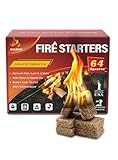
To make building a good fire easier, consider bringing a reliable campfire fire starter to get those coals glowing quickly.
2. Prepare your s’more station.
- What to do: Lay out your graham cracker halves. Place a piece of chocolate on one half of each.
- What “good” looks like: Everything is prepped and within easy reach. No fumbling around when your marshmallow is perfectly toasted.
- Common mistake: Not having everything ready. You’ll end up dropping a molten marshmallow or burning your fingers while trying to grab chocolate.
3. Select your marshmallow.
- What to do: Pick a fresh, plump marshmallow.
- What “good” looks like: A firm marshmallow that isn’t stale or crushed.
- Common mistake: Using old, hard marshmallows. They don’t toast well and can fall off the stick.
4. Skewer the marshmallow.
- What to do: Gently push a roasting stick or skewer through the center of the marshmallow.
- What “good” looks like: The marshmallow is secure on the stick, not wobbly or about to slide off.
- Common mistake: Pushing the stick all the way through the other side. This makes it harder to control and increases the chance of it falling off.
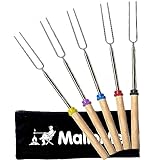
For the best control and safety, use a good set of marshmallow roasting sticks to skewer your marshmallow securely.
5. Toast the marshmallow.
- What to do: Hold the marshmallow over the coals, not the flames. Rotate slowly and steadily.
- What “good” looks like: A beautifully golden-brown, slightly puffed marshmallow with a molten interior.
- Common mistake: Rushing the process or holding it too close to flames. This leads to charring instead of caramelizing.
6. Achieve the perfect toast.
- What to do: Keep rotating, adjusting height as needed. If it starts to flame up, pull it away quickly.
- What “good” looks like: Even toasting on all sides. You might even see a little char here and there, which is fine.
- Common mistake: Letting it catch fire and burn. It’s not a marshmallow flambé; it’s a s’more.
7. Assemble the s’more.
- What to do: Once toasted, carefully slide the marshmallow off the stick onto the chocolate-covered graham cracker half. Immediately top with the other graham cracker half.
- What “good” looks like: A perfectly constructed s’more where the heat from the marshmallow melts the chocolate and makes everything gooey.
- Common mistake: Waiting too long. The marshmallow will cool down, and you won’t get that magical melt.
8. Squish and enjoy.
- What to do: Gently press the top graham cracker down. The marshmallow will ooze out the sides.
- What “good” looks like: A satisfyingly messy, warm, gooey masterpiece.
- Common mistake: Not pressing hard enough. You want that melty goodness to spread.
9. Clean up your stick.
- What to do: Carefully remove any remaining marshmallow residue.
- What “good” looks like: A clean stick ready for the next round or for packing out.
- Common mistake: Leaving sticky marshmallow on your stick, attracting bugs or making it gross for next time.
10. Douse your fire.
- What to do: Use plenty of water. Stir the ashes and embers. Repeat until it’s cool to the touch.
- What “good” looks like: No heat, no smoke, just cold ashes.
- Common mistake: Not fully extinguishing the fire. This is how wildfires start. Seriously, be thorough.
Common mistakes (and what happens if you ignore them)
| Mistake | What it causes | Fix |
|---|---|---|
| Using flames instead of coals | Burnt, bitter marshmallow; cold inside | Patiently toast over glowing embers, rotating slowly. |
| Not prepping ingredients beforehand | Fumbling, dropping marshmallow, burnt fingers | Set up your s’more station before toasting begins. |
| Using stale, hard marshmallows | Poor toasting, falls off stick, not gooey | Use fresh, plump marshmallows for best results. |
| Forgetting fire restrictions | Illegal campfire, potential wildfire, hefty fines | ALWAYS check current fire bans with the land manager. |
| Not dousing the fire properly | Smoldering embers, potential wildfire | Use plenty of water, stir, and check for coolness multiple times. |
| Not packing out all trash | Littered campsite, attracts wildlife, environmental damage | Pack out everything you pack in, including food scraps. |
| Assuming roads are passable | Getting stuck, vehicle damage, needing a tow | Research road conditions and know your vehicle’s capabilities. |
| Not checking weather/wind | Uncomfortable conditions, unsafe campfire | Check the forecast; postpone if high winds or heavy rain is expected. |
| Using a flimsy or short stick | Dropped marshmallow, burnt hands | Use a sturdy, long roasting stick or skewer. |
| Rushing the assembly | Cool marshmallow, unmelted chocolate, sad s’more | Assemble immediately after toasting for maximum gooeyness. |
Decision rules (simple if/then)
- If fire restrictions are in place, then do not build a campfire because it’s illegal and dangerous.
- If the wind is gusting over 15-20 mph, then postpone your campfire because it’s a fire hazard and difficult to manage.
- If you don’t have a way to fully extinguish your fire (water, shovel), then do not start one because you risk starting a wildfire.
- If the road to your campsite is marked “4WD only” and you’re in a 2WD sedan, then find a different campsite because you’ll likely get stuck.
- If you’re not sure who manages the land, then err on the side of caution and check with local ranger districts or park offices because rules can vary widely.
- If your marshmallow catches fire, then quickly pull it away from the heat source because you want golden brown, not charcoal.
- If you hear rustling in the bushes at night, then make noise and make your presence known because you want to avoid surprising wildlife.
- If you plan to hike out to a remote spot, then tell someone your itinerary and expected return time because it’s a crucial safety step.
- If you only have a few minutes before you need to leave camp, then prioritize dousing the fire over cleaning your roasting stick because fire safety is paramount.
- If your marshmallow is perfectly toasted but you haven’t prepped your s’more components, then quickly assemble it because the heat is temporary.
- If you see trash left by previous campers, then pack it out because Leave No Trace means leaving it better than you found it.
FAQ
Q: Can I use any kind of chocolate?
A: Absolutely. Hershey’s bars are classic for a reason, but dark chocolate, milk chocolate, or even peanut butter cups work great. Experiment to find your favorite.
Q: What’s the best way to toast a marshmallow?
A: The key is patience. Hold it over glowing coals, rotating slowly until it’s golden brown and gooey. Avoid direct flames, which just burn the outside.
Q: My marshmallow keeps falling off the stick. What am I doing wrong?
A: Make sure you’re not pushing the stick all the way through. A gentle insertion in the center is best. Also, ensure your marshmallows are fresh, not stale and crumbly.
Q: How do I know if my fire is completely out?
A: It should be cold to the touch. Douse it with water, stir the ashes and embers, and repeat until there’s no heat or smoke.
Q: What if there are fire restrictions? Can I still have s’mores?
A: If there are fire bans, you can’t have a campfire. Some places allow portable camp stoves, which you might be able to use to toast marshmallows, but always check the specific rules for your location.
Q: What are some good alternatives to graham crackers?
A: Try chocolate chip cookies, shortbread, or even waffles. Anything that can hold your gooey fillings will work.
Q: How many s’mores can one person eat?
A: That’s a trick question. The limit does not exist. Just make sure you have enough ingredients.
If you’re looking for a convenient way to get all your s’mores essentials in one go, a s’mores kit can be a great option.

Q: What if I don’t have a long roasting stick?
A: Improvise! A sturdy, clean branch works, or even a metal skewer if you have one. Just be mindful of heat and length.
What this page does NOT cover (and where to go next)
- Specific campsite reservation systems or booking windows. Check Recreation.gov or state park websites.
- Detailed bear safety protocols or wildlife encounters. Consult park or forest service guidelines.
- Legal requirements for campfires, including specific permit needs. Look up your local ranger district.
- Advanced campfire building techniques for survival situations. Seek out dedicated wilderness skills courses.
- First aid for burns or other camping injuries. Take a wilderness first aid class.