
Easy Ways to Make S’mores Indoors or At Home
Quick answer
- Use your oven broiler for a quick, toasted marshmallow.
- A gas stove burner can toast marshmallows directly.
- Invest in a tabletop s’mores maker for a dedicated setup.
- Try the microwave for a melted, but not toasted, s’more experience.
- Don’t forget the graham crackers, chocolate, and marshmallows.
- Always supervise kids around heat sources.
For a dedicated setup, consider investing in a s’mores kit that often includes a tabletop maker and all the essentials.

What to check first (do this before you drive out)
Before you even think about gooey marshmallows and melted chocolate, there are a few things to get straight. We’re talking about making s’mores at home, which usually means less wilderness, but safety and setup still matter.
- Heat source safety: Know your equipment. If you’re using the oven, broiler settings can get serious heat fast. Gas stoves are open flames, plain and simple. Tabletop makers vary, but read the manual.
- Kid supervision: This is huge. Little hands and hot stuff don’t always mix. Make sure an adult is always in charge of the toasting part.
- Ingredient check: Got graham crackers? Chocolate? Marshmallows? Sounds obvious, but a s’more is only as good as its parts. Think about different chocolate types – milk, dark, even flavored.
- Cleanup plan: Melted marshmallow is sticky. Having wet wipes or a damp cloth ready saves a lot of hassle later.
Step-by-step (field workflow)
Here’s how to get your s’more game on, no campfire required. We’ll cover a few popular indoor methods.
Method 1: The Oven Broiler S’more
1. Prep your station: Grab a baking sheet. Line it with parchment paper or foil for easier cleanup.
2. Assemble the base: Break graham crackers in half. Place a piece of chocolate on one half. Top the chocolate with a marshmallow.
3. Good looks like: Your s’more components are neatly arranged, ready for heat. No marshmallows falling off the crackers yet.
4. Common mistake: Overcrowding the baking sheet. This makes them hard to handle and can lead to uneven toasting. Space them out.
5. Broil with care: Place the baking sheet on the oven rack. Turn your oven to the broiler setting (usually high).
6. Watch like a hawk: This is the critical step. Keep your eye on the marshmallows. They go from golden brown to burnt in seconds.
7. Good looks like: The marshmallows are puffed up and golden brown, maybe with a few nice dark spots. The chocolate is starting to melt.
8. Common mistake: Walking away. Seriously, don’t do it. Broilers are intense.
9. The grand finale: Carefully remove the baking sheet from the oven.
10. Top it off: Immediately place the other graham cracker half on top of the toasted marshmallow. Gently press down.
11. Good looks like: A perfectly assembled s’more, gooey and ready to eat.
12. Common mistake: Trying to eat it too soon. Let it cool for just a moment, unless you enjoy burnt tongues.
Method 2: The Gas Stove Burner S’more
1. Secure your marshmallow: Skewer a marshmallow onto a long metal or heat-resistant skewer. A fork works in a pinch, but be careful.
2. Good looks like: The marshmallow is firmly on the skewer and won’t easily fall off.
3. Common mistake: Using a skewer that’s too short. You need distance from the flame.
4. Turn on the heat: Light your gas stove burner to a medium-low flame.
5. Toast away: Hold the marshmallow above the flame, rotating it slowly and consistently.
6. Good looks like: An evenly toasted, golden-brown marshmallow. You’re aiming for that campfire char, not a charcoal briquette.
7. Common mistake: Holding the marshmallow directly in the flame. This just burns the outside and leaves the inside cold.
8. Assemble quickly: Once toasted, slide the marshmallow off the skewer onto your graham cracker with chocolate. Top with the other cracker half.
9. Good looks like: A complete s’more, with a perfectly toasted marshmallow.
10. Common mistake: Dropping the hot marshmallow. Be deliberate when sliding it off.
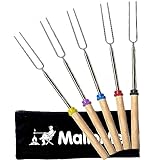
For the best control and safety when using a gas stove, we recommend using long marshmallow roasting sticks.
Method 3: The Tabletop S’mores Maker
1. Read the manual: Seriously. These things vary. Some use candles, some electric. Know your device.
2. Assemble components: Place graham crackers, chocolate, and marshmallows around the maker.
3. Heat it up: Turn on your s’mores maker according to its instructions.
4. Toast and melt: Use your skewer to toast marshmallows over the heat source. Place the toasted marshmallow and chocolate on a cracker, then top with the other cracker.
5. Good looks like: A steady heat source and happy campers toasting their own.
6. Common mistake: Overfilling the heat source if it uses fuel, or leaving it unattended.
Many s’mores kits come with a tabletop maker, providing a convenient and contained way to enjoy s’mores indoors.
Common mistakes (and what happens if you ignore them)
| Mistake | What it causes | Fix |
|---|---|---|
| Not preheating the oven/broiler | Uneven toasting, marshmallow doesn’t melt properly. | Always preheat your oven or broiler to the desired temperature before putting the s’mores in. |
| Overcrowding the baking sheet | S’mores touch, leading to messy melting and uneven heat distribution. | Leave space between each s’more on the baking sheet so heat can circulate. |
| Walking away from the broiler | Burnt marshmallows, smoke, potential fire hazard. | Stay in the kitchen and watch the marshmallows constantly. Broilers are powerful and fast. |
| Using a short skewer on a gas stove | Burns on fingers, dropped marshmallows. | Use a long skewer (at least 12 inches) to keep a safe distance from the open flame. |
| Holding marshmallow directly in flame | Burnt exterior, cold interior. | Toast the marshmallow <em>above</em> the flame, rotating it for even browning. |
| Not having ingredients ready | Frantic searching, melted chocolate becoming a mess, cold marshmallows. | Prepare all your graham crackers, chocolate, and marshmallows before you start toasting. |
| Forgetting to supervise children | Burns, accidental fires, general chaos. | Always have an adult directly supervising any child near a heat source. |
| Using the wrong type of chocolate | Chocolate doesn’t melt well or has an undesirable flavor. | Milk chocolate melts easily. Dark or semi-sweet chocolate adds a richer flavor. Experiment to find your favorite. |
| Not having a cleanup plan | Sticky messes everywhere, dried-on marshmallow goo. | Keep wet wipes, paper towels, or a damp cloth handy for immediate cleanup of sticky fingers and surfaces. |
| Ignoring the tabletop maker’s manual | Malfunctions, inefficient heating, or safety issues. | Always read and follow the specific instructions for your s’mores maker. |
Decision rules (simple if/then)
- If you have a gas stove, then use a long skewer because it’s the most direct way to toast a marshmallow indoors.
- If you want a quick, hands-off method for melted chocolate and gooey marshmallow, then use the oven broiler because it toasts multiple s’mores at once.
- If you have young children and want a controlled environment, then a tabletop s’mores maker is a good choice because it often has a safer, contained heat source.
- If you don’t have a stove or oven, then a microwave can be used for melting, but you won’t get that toasted marshmallow flavor because microwaves only heat by exciting water molecules.
- If you want the classic campfire taste and texture, then the gas stove method is closest, but requires constant attention.
- If you’re worried about an open flame, then the oven broiler or an electric tabletop maker are safer alternatives.
- If you want to toast many marshmallows at once, then the oven broiler is your best bet.
- If you’re short on time and just want the flavors combined, then the microwave is the fastest option.
- If you’re making s’mores with a group and want everyone to participate, then a tabletop s’mores maker is ideal for a fun, interactive experience.
- If you want to avoid a sticky mess, then use parchment paper or foil on your baking sheet for oven broiling.
FAQ
Can I really make s’mores without a campfire?
Absolutely. Many people do it all the time. Ovens, gas stoves, and even microwaves can get you close to that s’more goodness.
Is it safe to toast marshmallows over a gas stove?
Yes, if you’re careful. Use a long skewer and keep the marshmallow above the flame, rotating it slowly. Always supervise children closely.
To safely toast marshmallows over a gas stove, it’s crucial to use long marshmallow roasting sticks.
What’s the best way to get that toasted marshmallow flavor indoors?
The oven broiler or a gas stove burner will give you the best toasting results, mimicking campfire char. A tabletop s’mores maker designed for toasting also works well.
My marshmallows just burn when I try to toast them indoors.
You’re probably holding them too close to the direct heat source. Try holding the marshmallow further away and rotating it constantly for even browning.
Can I use any kind of chocolate?
Sure! Milk chocolate is classic and melts easily. Dark or semi-sweet chocolate adds a richer flavor. Some people even use peanut butter cups or caramel-filled chocolates for a twist.
How do I avoid a huge mess when making s’mores inside?
Use parchment paper or foil on your baking sheet if you’re broiling. Have wet wipes or a damp cloth ready for sticky fingers and surfaces immediately after assembly.
Is a tabletop s’mores maker worth it?
If you plan on making s’mores indoors frequently, especially with kids, it can be a fun and convenient dedicated gadget. For occasional use, other methods are just fine.
What if I don’t have a skewer?
A long fork can work for gas stove toasting, but be extra careful. For oven broiling or tabletop makers, you might not even need one.
What this page does NOT cover (and where to go next)
- Detailed recipes for gourmet s’mores variations (think flavored marshmallows, fancy chocolates, or unique cracker bases).
- Specific instructions for every single brand of tabletop s’mores maker.
- Camping etiquette and advanced campfire s’more techniques.
- History of the s’more.
To learn more, you could look into:
- Creative s’more ingredient pairings.
- Safe campfire cooking practices.
- Tips for camping with children.

Camping Bob has spent over 20 years camping across the US — from BLM dispersed sites in the Southwest to KOA campgrounds in the Pacific Northwest. He writes practical, no-nonsense guides to help fellow campers get outdoors with confidence.