
How to Build a Safe and Enjoyable Bonfire
Quick answer
- Always check fire restrictions first. Seriously.
- Know who manages the land you’re on.
- Clear a wide circle around your fire pit.
- Use a designated fire ring or pit if available.
- Gather only dead and downed wood.
- Keep water and a shovel nearby.
- Never leave a fire unattended.
- Drown, stir, and feel for heat before leaving.
What to check first (do this before you drive out)
Before you even think about packing marshmallows, there are a few crucial checks. This isn’t just about having a good time; it’s about not starting a wildfire.
- Land manager / legality: Who owns this dirt? Is it a National Forest, BLM land, a state park, or private property? Each has its own rules about fires. A quick call or website check with the managing agency is your first move. I learned this the hard way once, thinking a patch of public land was fair game. It wasn’t.
- Access/road conditions: Can your rig actually get there? Some backcountry spots require high clearance or 4WD. Check recent conditions – rain can turn dirt roads into mud pits, and snow can block access entirely. Don’t get stuck miles from anywhere.
- Fire restrictions + weather + wind: This is non-negotiable. Drought conditions mean fire bans. Check the local US Forest Service, BLM, or fire department websites. Even if fires are allowed, consider the weather. High winds are a fire’s best friend. A gentle breeze can quickly become a roaring gale, carrying embers.
- Water plan + waste plan (Leave No Trace): You need water to put the fire out. Bring more than you think you’ll need. Also, plan for your trash. Pack it in, pack it out. Don’t burn trash; it pollutes and can attract animals.
- Safety (wildlife, distance to help, comms): Be aware of your surroundings. Are there bears or other critters around? Keep food secured away from your campsite. How far are you from a ranger station or emergency services? What’s your cell signal like? It’s good to have a plan for emergencies, even if it’s just letting someone know your itinerary.
Step-by-step (field workflow)
Alright, you’ve done your homework. Time to set up camp and get that fire going.
1. Choose your spot: Find a safe location. Ideally, use an existing fire ring or pit. If not, pick a spot on bare ground or sand, away from trees, bushes, dry grass, and overhanging branches.
- Good: A cleared area at least 10-15 feet from anything flammable.
- Mistake: Setting up too close to a dead tree or a pile of dry leaves. That’s a recipe for disaster.
2. Clear the area: Once your spot is chosen, clear a 10-foot diameter circle around it down to bare mineral soil. Remove all leaves, grass, twigs, and other flammable materials.
- Good: A clean, bare patch of earth. No tiny bits of potential fuel.
- Mistake: Just kicking some leaves aside. Those little guys can ignite from a single spark.
3. Build a fire ring (if needed): If there’s no existing ring, create one using rocks. Stack them in a circle to contain the fire. Make sure the rocks are dry – wet rocks can explode when heated.
- Good: A sturdy ring of rocks that will keep the fire contained.
- Mistake: Using rocks from a riverbed. They’re often saturated and can be dangerous.
4. Gather firewood: Collect only dead and downed wood. Never cut live trees or break branches off standing trees. Gather wood in different sizes: tinder (small, dry, fluffy material), kindling (pencil-sized twigs), and fuel wood (larger pieces).
- Good: A variety of dry wood, from tiny fluff to wrist-thick logs.
- Mistake: Bringing a chainsaw to cut down trees. That’s a quick way to get fined and cause damage.
5. Arrange the wood: Place a small amount of tinder in the center of your cleared area or fire ring. Then, arrange kindling around and over the tinder, creating airflow.
- Good: A fluffy nest of tinder with a teepee or log cabin of kindling ready to catch a spark.
- Mistake: Piling on too much wood at once, cutting off air supply before the fire even starts.
6. Light the tinder: Use a match or lighter to ignite the tinder. Shield it from wind.
- Good: A small flame quickly catching the tinder and starting to lick the kindling.
- Mistake: Fumbling with matches in the wind and getting your fingers burned. Use a longer lighter or windproof matches.
When lighting your fire, consider wearing heat-resistant gloves to protect your hands from stray sparks and heat. They’re also useful for adjusting logs safely.

For an easier start, consider using a camping fire starter kit. These kits often include reliable tinder and igniters to get your bonfire going quickly and safely.
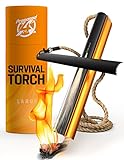
7. Feed the fire: As the kindling catches, gradually add larger pieces of fuel wood. Don’t smother the flames. Add wood slowly and maintain good airflow.
- Good: A steady flame that grows stronger as you add fuel.
- Mistake: Throwing on huge logs when the fire is still small. It’ll just choke the flames and create smoke.
8. Manage the fire: Keep the fire to a manageable size. Don’t build a bonfire that’s bigger than you can control. Keep flammable materials away from the fire’s edge.
- Good: A cozy, controlled fire that provides warmth and light without being overwhelming.
- Mistake: Letting the fire get too big, with flames leaping high and sparks flying everywhere.
9. Prepare for extinguishing: Have your water and shovel ready before you plan to leave or go to bed. Don’t wait until the last minute.
- Good: A bucket of water and a shovel are right next to the fire pit.
- Mistake: Realizing you forgot the water when the fire is roaring and you’re miles from the creek.
For your water plan, a collapsible water container is incredibly practical for bringing enough water to the fire pit and for easy storage when not in use.

A folding camp shovel is an essential tool for managing and extinguishing your bonfire. It’s perfect for stirring ashes and ensuring the fire is completely out.

10. Extinguish the fire: Drown the fire with water. Stir the ashes and embers with a shovel, then drown again. Repeat until all embers are cold.
- Good: Steam rising from the ashes, but no glowing embers or heat.
- Mistake: Just pouring a little water on top and assuming it’s out. Embers can smolder for hours.
11. Feel for heat: Carefully touch the ashes and coals with the back of your hand. If it’s too hot to touch, it’s too hot to leave.
- Good: Everything is cool to the touch.
- Mistake: Leaving a fire that still radiates heat, which can reignite.
12. Disperse ashes (if appropriate): Once completely cold, scatter the ashes widely. If you used a fire ring, you can leave the ashes there.
- Good: No visible sign of your fire, following Leave No Trace principles.
- Mistake: Leaving a pile of ashes that could attract animals or become a hazard.
Common mistakes (and what happens if you ignore them)
| Mistake | What it causes | Fix |
|---|---|---|
| Ignoring fire restrictions | Wildfire, fines, jail time, ecological devastation | Check official sources (USFS, BLM, local fire dept) <em>before</em> you leave home. |
| Building a fire too close to trees | Fire spreading into canopy, rapid wildfire | Clear a minimum 10-foot radius down to bare soil; ensure no overhanging branches. |
| Using green or wet wood | Excessive smoke, poor burning, difficulty starting/maintaining fire | Collect only dead and downed wood; if unsure, let it dry out near the fire for a bit. |
| Leaving a fire unattended | Accidental spread, embers igniting nearby fuel | Assign a “fire watcher” if you need to step away, even for a few minutes. Never leave it completely. |
| Not having enough water/extinguishing tools | Inability to put out the fire quickly when needed, leading to spread | Bring a full bucket of water and a shovel specifically for fire management. |
| Smothering the fire with too much wood | Poor airflow, smoke, difficulty getting the fire established | Add wood gradually, starting with tinder and kindling, ensuring air can circulate. |
| Not clearing a wide enough radius | Small sparks igniting dry grass or leaves just outside the immediate fire area | Clear a full 10-foot diameter circle down to mineral soil. Don’t cut corners here. |
| Not fully extinguishing the fire | Rekindling from smoldering embers, wildfire, danger to subsequent campers | Drown, stir, drown, and feel for heat until it’s cold to the touch. This takes time. |
| Burning trash in the fire | Air pollution, attracting wildlife, leaving non-combustible debris | Pack out all trash. Never burn plastic, foil, or anything that isn’t natural wood. |
| Using rocks from water sources | Rocks can explode violently when heated, causing injury and spreading embers | Use dry rocks from the ground, or bring your own fire ring if possible. |
Decision rules (simple if/then)
- If fire restrictions are in place, then do not build a fire because it’s illegal and dangerous.
- If the wind is gusting over 15-20 mph, then postpone your fire plans because embers can travel far and fast.
- If you are on land managed by the National Park Service, then check their specific fire regulations because rules can vary even within parks.
- If you are in a desert environment, then be extra cautious about clearing down to mineral soil because vegetation is sparse and highly flammable.
- If you see signs of wildlife (tracks, scat), then store your food securely away from your campsite and fire area because you don’t want to attract hungry visitors.
- If you are unsure about road conditions, then call the local ranger district or check online forums because getting stuck is no fun.
- If you are using a portable fire pit, then ensure it is stable and has a screen to prevent sparks from escaping because safety first.
- If you are camping with children, then establish clear rules about fire safety and maintain constant supervision because they are naturally curious.
- If you plan to cook over the fire, then start it earlier to allow it to burn down to coals, which provide more even heat, because cooking over roaring flames is tough.
- If you are in doubt about whether your fire is out, then err on the side of caution and add more water and stirring because a little extra effort prevents a big problem.
- If you find an existing fire ring, then use it because it’s already been established as a safe spot.
- If you are in an area with high fire danger, then consider skipping the fire altogether and using a camp stove because sometimes the best fire is no fire.
FAQ
What’s the best way to start a fire quickly?
Use dry tinder, kindling, and a good airflow. A fire starter cube or a bit of cotton ball soaked in petroleum jelly can help get things going fast if you’re struggling with damp wood.
Can I burn logs I find in the woods?
Yes, but only if they are dead and downed. Never cut live trees or branches. Ensure the wood is dry for the best results.
How big should my bonfire be?
Keep it manageable. A fire that’s too large is harder to control and requires more wood. Think cozy, not inferno.
What if I don’t have a fire ring?
Clear a 10-foot diameter circle down to bare earth and build a ring of rocks around your fire pit. Make sure the rocks are dry and won’t explode.
How do I know if the fire is truly out?
Drown it with water, stir the ashes with a shovel, and drown it again. Then, carefully feel the ashes with the back of your hand. If it’s too hot to touch, it’s not out.
Is it okay to burn paper or cardboard?
It’s generally best not to burn trash like paper, plastic, or foil. It pollutes the air and can leave behind harmful residues. Pack it out.
What’s the difference between tinder and kindling?
Tinder is your ignition material – fluffy, dry stuff like birch bark shavings or cotton. Kindling is small twigs, pencil-lead to pencil-thick, that catch fire from the tinder.
Can I use lighter fluid to start a fire?
While it works, it’s often not recommended in natural settings. It can leave a chemical smell and taste, and spills can be a hazard. Natural fire starters or friction methods are preferred.
What this page does NOT cover (and where to go next)
- Advanced fire-starting techniques like friction fire (bow drill, hand drill).
- Specific regional firewood types and their burning properties.
- Detailed instructions on building outdoor cooking pits or ovens.
- Legal aspects of fire suppression and wildfire prevention beyond basic restrictions.
- Emergency wilderness survival skills related to firecraft.