
Getting Your Wood Stove Started: A Beginner’s Guide
Quick answer
- Know your stove’s setup before you go. Read the manual.
- Gather plenty of dry fuel, from tinder to kindling to larger logs.
- Prepare your firebox. Good airflow is key.
- Light your tinder from the bottom or side, feeding it oxygen.
- Gradually add kindling, then larger wood as the flames grow.
- Monitor and adjust. Don’t smother the flames.
- Practice makes perfect. Try it out at home first.
What to check first (do this before you drive out)
Before you even think about striking a match, there are a few crucial checks to run through. This isn’t just about comfort; it’s about safety and legality.
- Land manager / legality: Who owns this patch of dirt? Is it National Forest, BLM land, a state park, or private property? Each has its own rules about fires. A quick look at the managing agency’s website will save you headaches. Sometimes, you need a permit. Better safe than sorry.
- Access/road conditions: Can your rig actually get there? Is the road paved, gravel, or just a suggestion of a track? Know your vehicle’s limitations – 2WD, AWD, high clearance. Mud, snow, or washouts can turn a fun trip into a recovery mission. I learned that the hard way once. Never again.
- Fire restrictions + weather + wind: This is non-negotiable. Check for burn bans. Seriously. Fire restrictions are often posted online by the land manager. Then, check the weather forecast. High winds are a fire’s best friend, and not in a good way. Rain can make starting a fire tough, but it’s usually safer.
- Water plan + waste plan (Leave No Trace): Got water to douse your fire completely? And a plan for packing out your trash, including any food scraps? Leave No Trace principles are essential. Don’t burn trash; pack it out. And make sure your fire is dead out.
- Safety (wildlife, distance to help, comms): Are there any specific wildlife concerns in the area? Know what to do. How far is the nearest town or ranger station? Do you have cell service? A satellite communicator is a smart backup for remote areas.
Step-by-step (field workflow)
Let’s get that stove purring. This is the general flow, but your specific stove might have quirks.
1. Read the Manual:
- What to do: Seriously, open the booklet that came with your stove. Understand its parts and how they work.
- What “good” looks like: You know where the air intake is, how to control it, and where the ash pan goes.
- Common mistake: Skipping this step and fumbling around in the cold. Avoid it by doing this first, even before packing.
2. Gather Your Fuel:
- What to do: Collect dry tinder (birch bark, cotton balls with petroleum jelly, commercial fire starters), small, dry twigs (pencil-lead to pencil-thick), and larger pieces of seasoned firewood. You need a good supply of each.
- What “good” looks like: A neat pile of tinder, a generous bundle of kindling, and several logs of increasing size within easy reach.
- Common mistake: Not gathering enough fuel, especially kindling, before starting. You’ll be scrambling for more wood when the fire is barely going.
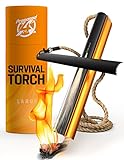
For reliable ignition, consider carrying a dedicated camping fire starter kit. These often include waterproof tinder and reliable igniters, making fire starting much easier in various conditions.
3. Prepare the Firebox:
- What to do: Clear out any old ash from the bottom (leave a thin layer for insulation if your manual suggests). Ensure the air intake(s) are open and unobstructed.
- What “good” looks like: A clean firebox with open vents, ready to accept fuel and air.
- Common mistake: Overfilling the firebox with ash, which blocks airflow and smothers the flame.
4. Place Your Tinder:
- What to do: Put a good handful of your chosen tinder in the center of the firebox.
- What “good” looks like: A fluffy, airy nest of tinder ready to catch a spark.
- Common mistake: Packing the tinder too tightly. It needs air to ignite.
5. Light the Tinder:
- What to do: Use a match or lighter to ignite the tinder. Aim for the underside or side where it’s easiest to get oxygen.
- What “good” looks like: The tinder is burning well, with a steady flame.
- Common mistake: Trying to light it from above and not giving it enough direct heat or oxygen.
If you’re struggling to get your tinder to catch, a quality camping fire starter kit can be a game-changer. Many kits include robust lighters or ferro rods that produce a strong, consistent flame.
6. Add Small Kindling:
- What to do: Once the tinder is burning strongly, gently add the smallest, driest twigs (pencil-lead size) over the flame. Don’t smother it.
- What “good” looks like: The small twigs are catching fire and burning brightly.
- Common mistake: Dumping a huge pile of kindling on the small flame. It chokes the fire.
7. Add Larger Kindling:
- What to do: As the smaller kindling catches, gradually add slightly larger twigs (pencil-thick to thumb-thick). Continue to ensure good airflow.
- What “good” looks like: A healthy, growing fire that’s starting to produce some heat.
- Common mistake: Adding wood that’s too large too soon. The fire isn’t established enough to burn it.
8. Introduce Small Logs:
- What to do: Once the kindling is burning well and you have a good bed of coals, carefully place a few smaller pieces of seasoned firewood onto the flames. Position them to allow air to circulate.
- What “good” looks like: The small logs are catching fire and burning steadily.
- Common mistake: Placing logs too close together, preventing air from reaching the flames.
9. Add Larger Logs:
- What to do: As the smaller logs burn down and create more coals, you can add larger pieces of firewood.
- What “good” looks like: A consistent, strong flame and good heat output.
- Common mistake: Overloading the stove. This can lead to inefficient burning and creosote buildup.
10. Control Airflow:
- What to do: Use your stove’s air intake controls to regulate the burn rate and heat output.
- What “good” looks like: You can maintain a steady flame and desired temperature without excessive smoke.
- Common mistake: Leaving the air intake wide open all the time, leading to a roaring fire that burns through wood too fast and can overheat the stove.
11. Monitor and Maintain:
- What to do: Keep an eye on the fire, adding wood as needed. Occasionally clear ash from the grate if your stove has one.
- What “good” looks like: A consistent, controlled fire that provides warmth and light.
- Common mistake: Walking away and forgetting about the fire, especially in windy conditions or when the stove is running hot.
12. Extinguish Properly:
- What to do: When you’re done, let the fire burn down to coals. Douse thoroughly with water, stir the ashes, and douse again. Ensure everything is cool to the touch.
- What “good” looks like: No visible embers, no smoke, and the ashes are cold.
- Common mistake: Leaving embers glowing or not stirring the ashes to ensure they are fully out. This is a major fire risk.
Common mistakes (and what happens if you ignore them)
| Mistake | What it causes | Fix |
|---|---|---|
| Not reading the stove manual | Inability to operate stove correctly, potential damage, inefficient burning | Read it. Understand air controls, ash removal, and recommended fuel. |
| Gathering insufficient fuel | Fire dies out quickly, frustration, cold nights | Collect more tinder, kindling, and firewood than you think you’ll need. Gather it all before starting. |
| Using wet or unseasoned wood | Smoldering fire, excessive smoke, creosote buildup, poor heat | Only use dry, seasoned firewood. If it hisses or smokes excessively, it’s too wet. |
| Smothering the flame with too much wood | Fire goes out, difficult to restart | Add fuel gradually, starting with tinder, then small kindling, then larger pieces. Ensure airflow at each stage. |
| Blocking airflow | Fire dies, produces smoke, inefficient | Keep air intakes clear. Ensure wood isn’t packed too tightly. Remove excess ash regularly. |
| Leaving the fire unattended | Increased risk of wildfire, damage to stove or surroundings | Never leave a fire burning unsupervised. Keep water and a shovel nearby. |
| Not extinguishing the fire completely | Wildfire, fines, environmental damage | Douse with water, stir ashes, douse again. Ensure coals are cold before leaving the site. “If it’s too hot to touch, it’s too hot to leave.” |
| Burning trash or inappropriate items | Toxic fumes, damage to stove, environmental pollution | Only burn wood. Pack out all trash, including food scraps and wrappers. |
| Overheating the stove | Damage to stove components (gaskets, paint), potential chimney fire | Use the air controls to manage the burn rate. Don’t overload the firebox. Listen for excessive roaring. |
| Not cleaning out ash regularly | Poor airflow, inefficient burning, potential for ash to ignite | Remove excess ash from the firebox when cool, leaving a thin insulating layer if recommended by the manual. Dispose of ash in a safe, non-combustible container. |
Decision rules (simple if/then)
- If the forecast calls for high winds, then postpone your trip or ensure extreme caution with fire, because wind can spread embers rapidly.
- If you see “No Fires” or “Burn Ban” signs, then do not start a fire, because it’s illegal and dangerous.
- If your wood feels damp or makes a hissing sound, then do not use it, because it will smoke badly and burn poorly.
- If you can’t get a flame from your tinder, then check your tinder’s dryness and try a different type, because tinder needs to be bone dry and easily ignitable.
- If the fire is smoking heavily, then check your airflow and wood size, because smoke means incomplete combustion.
- If the fire is burning too fast and hot, then reduce the air intake, because too much oxygen makes for a raging, inefficient fire.
- If you’re in doubt about fire regulations, then err on the side of caution and skip the fire, because the consequences of a mistake can be severe.
- If you plan to camp in a new area, then research local fire restrictions and wood availability, because rules and resources vary greatly.
- If you have a new stove, then practice starting a fire at home first, because you’ll learn its quirks in a controlled environment.
- If you hear creaking or groaning from your stove, then check your air intake and fuel load, because this can indicate it’s running too hot.
If you can’t get a flame from your tinder, then check your tinder’s dryness and try a different type, because tinder needs to be bone dry and easily ignitable. A reliable camping fire starter kit often includes highly effective tinder options.
FAQ
Q: How much wood do I really need?
A: It’s better to have too much than too little. For a typical night, plan for a good armful of tinder and kindling, and several large logs, depending on how long you want the fire to last and how cold it is.
Q: My stove is smoking a lot. What’s wrong?
A: Usually, it’s a combination of wet wood and not enough airflow. Make sure your wood is dry and that your air intakes are open enough to get the fire burning vigorously.
Q: Can I use pine cones for tinder?
A: Dry pine cones can work, especially the pitchy ones. Just make sure they are completely dry. Birch bark is often easier to ignite and burns well.
Q: How do I know if my wood is seasoned?
A: Seasoned wood is dry. It will feel lighter, have cracks at the ends, and will not hiss or smoke excessively when burned. It should have a dull thud sound when two pieces are knocked together, not a wet thud.
Q: What’s the best way to arrange the wood in the stove?
A: Start with tinder, then small kindling in a teepee or log cabin structure over it. As the fire grows, add larger kindling, then logs, leaving space for air to circulate. Don’t pack it tight.
Q: Is it okay to leave a fire smoldering overnight?
A: Generally, no. It’s best to let fires burn down to coals and then extinguish them completely. Smoldering fires are inefficient and can be a fire hazard if conditions change.
Q: My stove has a baffling system. What is that?
A: Baffles are internal plates that help redirect gases and heat within the stove. They improve efficiency and reduce emissions by burning off more of the smoke. Consult your manual for how they work in your specific model.
Q: How do I clean out the ash pan?
A: Wait until the ashes are completely cool. Most stoves have a removable ash pan. Carefully remove it and dispose of the ashes in a metal container away from any flammable materials.
What this page does NOT cover (and where to go next)
- Specific stove models and their unique features. (Check your manufacturer’s website for detailed manuals and troubleshooting.)
- Advanced fire-building techniques like using a ferro rod or bow drill. (Look for survival skills resources.)
- Detailed creosote management and chimney cleaning schedules. (Consult chimney sweep professionals or specialized guides.)
- Local regulations on campfires and wood harvesting. (Always check with the specific land management agency for your destination.)
- Identifying edible or medicinal plants for fire starting. (Seek out expert-led foraging courses.)