
Making Reusable Ice Packs: Easy DIY Methods
Quick answer
- Freeze water in sturdy containers.
- Use a mix of water and corn syrup for slower melting.
- Add rubbing alcohol for even slower melting, but use caution.
- Consider salt water for a super-cold initial freeze.
- Double-bag to prevent leaks.
- Test your DIY ice pack before relying on it.
What to check first (do this before you drive out)
Before you pack up and hit the road, a little prep on your DIY ice packs can save you a soggy mess and warm drinks.
- Container Integrity: This is huge. You don’t want a leak in your cooler. Grab some tough plastic containers or heavy-duty freezer bags. Think about what can withstand a bit of banging around in the cooler.
For ultimate peace of mind, consider investing in a set of leakproof plastic containers designed for freezer use. They’ll withstand repeated freezing and thawing without cracking.
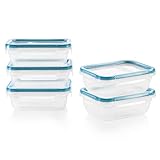
- Seal Strength: Whatever you use, make sure it seals tight. A loose lid or a weak zipper is a recipe for disaster. A double-bagging approach is always smart.
- Freezing Time: Give your DIY packs plenty of time in the freezer. Overnight is usually best. If you’re in a rush, you might end up with slush instead of solid ice.
- Cooler Space: Figure out how much space your ice packs will take up. You need room for your food and drinks too, obviously. Sometimes, you gotta make tough choices.
Step-by-step (field workflow)
Here’s how to whip up some reliable reusable ice packs. It’s simpler than you think.
1. Choose Your Container: Grab some sturdy, leak-proof containers. Think Tupperware-style containers with good seals, or heavy-duty freezer bags (like Ziploc freezer bags, not the sandwich kind).
- Good looks like: A container that feels solid, with a lid that snaps shut securely or a bag with a strong, re-sealable closure.
- Common mistake: Using flimsy sandwich bags. They’re thin and prone to tearing or leaking, especially when frozen. Stick with freezer-grade bags.
When choosing your container, look for high-quality, leakproof plastic containers that are specifically designed for freezer use to ensure durability and prevent messes.
2. Select Your Freezing Agent: Decide what goes inside. Water is the baseline. For longer-lasting ice, consider adding corn syrup or rubbing alcohol.
- Good looks like: You’ve got your chosen liquid ready to go. Water is fine for short trips. For longer hauls, a 50/50 mix of water and corn syrup is a solid choice.
- Common mistake: Not thinking about the melting point. Just plain water melts faster than you might want on a hot day.
3. Mix Your Solution (Optional): If using corn syrup or rubbing alcohol, mix it with water. A 50/50 ratio of water to corn syrup is a good starting point. For rubbing alcohol, use a similar ratio, but be aware it can make the pack colder and potentially damage some plastics if left in contact for too long.
- Good looks like: A well-mixed, uniform liquid in your container or bag.
- Common mistake: Using too much rubbing alcohol. It can make the pack almost too cold, and there’s a slight risk to some container materials. Plus, it’s not food-safe if it leaks.
4. Fill the Container: Pour your chosen liquid into the container or bag, but don’t fill it to the brim. Leave some space.
- Good looks like: The container is about 80-90% full. You can see a little air pocket at the top.
- Common mistake: Overfilling. Liquids expand when they freeze. If you fill it too much, the container can crack or the bag can burst.
5. Seal It Up Tight: Close the lid securely on your container, or press out as much air as possible from the bag and seal the zipper completely.
- Good looks like: No gaps. The lid is snapped down all around, or the bag’s seal is fully engaged.
- Common mistake: Not getting a good seal. A weak seal means potential leaks when it thaws. Go over it a couple of times.
6. Double-Bag (Recommended): For extra protection against leaks, place your sealed container or bag inside another freezer bag.
- Good looks like: Your primary ice pack is now snugly inside a second, well-sealed bag.
- Common mistake: Skipping this step. A single bag or container failure can ruin your entire cooler. It’s cheap insurance.
7. Freeze Solid: Place your prepared ice packs in the freezer. Let them freeze completely.
- Good looks like: The packs are rock solid. You can’t indent them with your thumb. This usually takes at least 8-12 hours, often overnight.
- Common mistake: Not freezing long enough. If they’re still slushy, they won’t last long in the cooler.
8. Pack Your Cooler: Once frozen solid, arrange your DIY ice packs in your cooler. Put them on the bottom, sides, and top of your food and drinks for maximum chill.
- Good looks like: The ice packs are strategically placed to surround your items, minimizing air pockets.
- Common mistake: Just tossing them in randomly. Proper placement helps maintain a consistent cold temperature throughout the cooler.
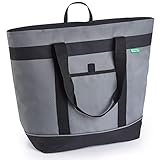
To maximize the effectiveness of your DIY ice packs, always use them in a high-quality insulated cooler. A good cooler will significantly extend the life of your ice packs and keep your contents colder for longer.
Common mistakes (and what happens if you ignore them)
| Mistake | What it causes | Fix |
|---|---|---|
| Using flimsy sandwich bags | Leaks, soggy food, wasted ice pack contents. | Use heavy-duty freezer bags or rigid plastic containers with good seals. |
| Overfilling containers | Cracked containers, burst bags, messy freezer. | Leave 1-2 inches of headspace for expansion when freezing. |
| Not sealing containers/bags properly | Leaks, melting contents spread throughout the cooler, contaminating food. | Double-check seals. Press out excess air from bags. Ensure lids are fully snapped. |
| Not freezing long enough | Packs are slushy, melt too quickly, warm drinks and spoiled food. | Freeze overnight (8-12+ hours) until completely solid. |
| Using only plain water for long trips | Ice melts too fast, cooler warms up prematurely, food spoils. | Mix in corn syrup or a bit of salt for slower melting. |
| Relying on a single ice pack | If it fails (leaks), you have no backup and your cooler warms up fast. | Make multiple packs and use a double-bagging method. |
| Not testing before a big trip | Discovering leaks or poor performance only when you’re miles from home. | Freeze and test a pack for a few hours in a small cooler before a major outing. |
| Using containers not rated for freezers | Cracking or warping due to temperature changes. | Ensure containers are specifically designed for freezer use. |
| Forgetting about potential leaks | Water damage to car upholstery or gear. | Always double-bag, especially if using bags rather than rigid containers. |
Decision rules (simple if/then)
- If your trip is less than 4 hours, then plain water ice packs are probably fine because they’ll last long enough.
- If you’re going for an overnight or weekend trip, then mix water with corn syrup because it slows down melting.
- If it’s going to be exceptionally hot (think desert camping), then consider a salt water mix or adding a bit more corn syrup for maximum chill.
- If you’re using plastic bags, then always double-bag because they are more prone to punctures than rigid containers.
- If your containers are old or look brittle, then don’t risk it; get new ones because a leak is a major hassle.
- If you’re unsure about a container’s seal, then test it with plain water first and let it sit for an hour before freezing.
- If you’re packing delicate items that can’t get wet, then place them in a separate dry bag inside the cooler, away from the ice packs.
- If you have limited freezer space, then consider making smaller, more numerous packs rather than a few huge ones.
- If you plan to reuse these for years, then invest in good quality, durable plastic containers.
- If you are using rubbing alcohol, then ensure the container is very robust and consider placing it in a secondary containment bag to be safe.
FAQ
How long do DIY ice packs last?
It really depends on what you fill them with and the outside temperature. Plain water packs might last 6-12 hours, while corn syrup or alcohol mixes can go much longer, sometimes 12-24 hours or more in a well-packed cooler.
Can I use salt water?
Yes, you can. Adding salt lowers the freezing point, which can make the pack initially colder, but it also means it might melt a bit faster once it warms up. It’s a trade-off.
What’s the best container to use?
Sturdy, leak-proof plastic containers with tight-fitting lids are generally the best. Heavy-duty freezer bags are a good alternative, but always double-bag them.
For the best performance and longevity, we recommend using durable, leakproof plastic containers with secure lids. These will offer superior protection against leaks compared to bags.
How do I prevent leaks?
The best way is to use quality containers or bags, seal them tightly, and always double-bag. Inspect your containers for cracks or damage before filling.
Will these make my cooler colder than regular ice?
DIY packs, especially those with additives like corn syrup or alcohol, can often stay colder for longer than regular water ice, giving you more consistent cooling.
Can I just use frozen juice boxes or water bottles?
You can, but they’re often less durable and can leave a sticky mess if they leak. Plus, you lose the liquid inside for drinking.
What happens if they leak in my cooler?
You’ll have a watery mess, and whatever was in the leaked pack will contaminate your food and drinks. It can also make your cooler contents wet and less appealing.
How much should I fill the container?
Leave about an inch or two of space at the top. Water and other liquids expand when they freeze, and overfilling can cause containers to crack or bags to burst.
What this page does NOT cover (and where to go next)
- Specific cooler packing strategies for different types of trips.
- Advanced insulation techniques for extreme environments.
- Commercial ice pack reviews and comparisons.
- Food safety guidelines for camping and picnics.

Camping Bob has spent over 20 years camping across the US — from BLM dispersed sites in the Southwest to KOA campgrounds in the Pacific Northwest. He writes practical, no-nonsense guides to help fellow campers get outdoors with confidence.