
How Long Dry Ice Stays Cold
Quick answer
- Dry ice sublimates, turning directly from solid to gas.
- Expect 12-24 hours for a 5-pound block in a good cooler.
- More insulation means longer cold. Less air movement helps.
- Don’t seal it airtight; the gas needs to escape.
- Use it for keeping food frozen solid on a camping trip.
- Handle with gloves; it’s seriously cold.
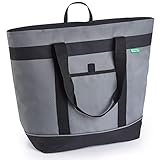
For optimal performance, consider investing in a high-quality insulated cooler. This will significantly extend the life of your dry ice.
What to check first (do this before you drive out)
Before you load up your cooler with dry ice, there are a few key things to nail down.
- Land manager / legality: Know who’s in charge of the camping area. Is it National Forest, BLM land, a State Park? Some areas have specific rules about what you can bring or how you manage waste. Usually, dry ice is fine, but it’s good to check their official website or give them a quick call. You don’t want to get a surprise when you roll up.
- Access/road conditions: Is the road to your campsite paved, gravel, or a rough track? If you’re in a 2WD sedan, a muddy or rutted road might mean you need to park and hike. If you’re planning to use dry ice for a multi-day trip deep in the backcountry, make sure you can actually get there with your gear.
- Fire restrictions + weather + wind: This is huge. Check current fire bans. Dry ice itself won’t start a fire, but it can help keep things cold so you don’t need to rely on campfires for cooking. Also, check the weather forecast. Extreme heat will melt your ice faster. Strong winds can also affect sublimation rates.
- Water plan + waste plan (Leave No Trace): Dry ice turns into CO2 gas. This is generally safe outdoors, but you don’t want it building up in a sealed tent. Plan to vent your tent or sleep in a well-ventilated area if you’re storing dry ice nearby. For any leftover dry ice, let it sublimate completely in a safe, outdoor location away from people and animals. Don’t bury it.
- Safety (wildlife, distance to help, comms): Dry ice is super cold. Always use insulated gloves when handling it. Keep it away from kids and pets. Know how far you are from the nearest ranger station or emergency services. Cell service is often spotty, so have a plan for emergencies.
Step-by-step (field workflow)
Here’s how to get your dry ice setup dialed in for your trip.
1. Acquire dry ice: Buy it from a local supplier. Dry ice isn’t something you usually find at a regular grocery store.
- What “good” looks like: You get solid, frosty blocks or pellets.
- Common mistake: Waiting until the last minute. Dry ice suppliers can run out, especially around holidays. Plan ahead.
2. Choose your cooler: Use a high-quality, insulated cooler. The thicker the walls, the better. Styrofoam coolers work okay in a pinch, but a good roto-molded cooler is king.
- What “good” looks like: A cooler with minimal air gaps and thick insulation.
- Common mistake: Using an old, leaky cooler. It’ll let heat in and cold out way too fast.
When choosing your cooler, prioritize models known for their superior insulation. A robust insulated cooler will be your best friend for keeping things frozen.
3. Prepare the cooler: Line the cooler with newspaper or cardboard. This adds an extra layer of insulation.
- What “good” looks like: A snug fit, no major air pockets.
- Common mistake: Not insulating enough. Every little bit helps slow down heat transfer.
4. Add the dry ice: Place the dry ice at the bottom of the cooler. If you have multiple blocks, stack them.
- What “good” looks like: Dry ice resting directly on the insulated bottom.
- Common mistake: Putting it on top of other items. Cold air sinks, so you want the coldest stuff at the bottom.
5. Vent the cooler lid (slightly): This is crucial. You need to let the CO2 gas escape. Don’t seal the lid completely airtight.
- What “good” looks like: The lid closes but isn’t creating a perfect seal. A small gap or using a cooler with a vent is ideal.
- Common mistake: Sealing it tight. This can build up pressure and potentially damage the cooler or even cause a rupture. Not safe.
6. Add your items: Place your food and drinks on top of the dry ice. For items you want to keep frozen, put them in direct contact or very close proximity. For items you want to keep cold, they can be further away.
- What “good” looks like: Items are packed around the dry ice, with the coldest items closest.
- Common mistake: Overpacking. Leave some space for air circulation. Too much stuff can also insulate the dry ice itself.
7. Add more insulation (optional): You can add more newspaper or blankets on top of your items before closing the lid.
- What “good” looks like: A packed cooler that minimizes internal air space.
- Common mistake: Using materials that will get damp and lose insulating properties.
8. Secure the cooler: Place the cooler in your vehicle, ideally in a shaded spot. Don’t keep it in direct sunlight.
- What “good” looks like: A stable cooler that won’t tip over, out of the sun.
- Common mistake: Leaving it in a hot car trunk. The temperature inside a car can skyrocket.
9. Monitor and replenish (if needed): Check your dry ice levels periodically. If you’re on a longer trip, you might need to get more.
- What “good” looks like: You still have solid dry ice after a day or two.
- Common mistake: Assuming it will last forever. Dry ice has a finite lifespan.
10. Dispose of scraps safely: When you’re done, let any remaining dry ice sublimate completely in a well-ventilated outdoor area.
- What “good” looks like: No solid dry ice left, just ambient air.
- Common mistake: Throwing leftover dry ice in the trash or a dumpster. It can still cause problems if sealed in.
Common mistakes (and what happens if you ignore them)
| Mistake | What it causes | Fix |
|---|---|---|
| Not using an insulated cooler | Dry ice melts and turns to gas very quickly. | Use a quality cooler with thick walls. |
| Sealing the cooler lid airtight | Pressure buildup, potential cooler damage/rupture. | Leave the lid slightly ajar or use a cooler with a vent. |
| Storing dry ice in direct sunlight | Faster sublimation, less cold time. | Keep the cooler in shade, cover it with a blanket. |
| Not wearing gloves when handling | Severe frostbite on skin. | Always use thick, insulated gloves or tongs. |
| Placing dry ice on top of items | Inefficient cooling; cold air sinks. | Put dry ice at the bottom of the cooler. |
| Overpacking the cooler | Reduced air circulation, less effective cooling. | Leave some space for air to move. |
| Not checking fire restrictions | Potential fines or citations if fire bans are active. | Always verify current fire regulations with the land manager. |
| Ignoring CO2 buildup in enclosed spaces | Suffocation risk in tents or vehicles. | Ensure good ventilation; never sleep with dry ice sealed in a tent. |
| Trying to store dry ice long-term | It will all sublimate and be gone. | Buy only what you need for the duration of your trip. |
| Disposing of scraps improperly | CO2 buildup in trash cans or landfills. | Let it sublimate completely in a safe outdoor area. |
| Using a cooler with poor seals | Heat enters, cold escapes, dry ice melts fast. | Inspect your cooler for cracks or worn seals before use. |
| Forgetting to account for sublimation | Running out of cold before your trip ends. | Estimate usage and consider buying a little extra or planning a resupply. |
To avoid the common mistake of rapid sublimation, always use a high-quality insulated cooler. This is the single most effective way to preserve your dry ice.
Decision rules (simple if/then)
- If your trip is longer than 2 days, then plan to get more dry ice midway through, because a standard block will likely sublimate completely.
- If you’re car camping and have space, then use the largest, most insulated cooler you own, because more insulation means longer-lasting cold.
- If you’re backpacking, then dry ice is probably not practical, because it’s heavy and you can’t easily vent it.
- If the weather forecast calls for extreme heat, then bring extra dry ice, because higher ambient temperatures will accelerate sublimation.
- If you need to keep items frozen solid, then pack them directly on top of or touching the dry ice, because direct contact provides the coldest temperatures.
- If you only need items to be kept cold (not frozen), then place them above the dry ice, because cold air sinks, and this uses the cooling effect efficiently.
- If you are traveling in a vehicle, then place the cooler in the passenger cabin if possible, because it’s generally cooler and better ventilated than the trunk.
- If you see frost forming on the outside of your cooler, then it’s likely well-insulated, but also check for CO2 escaping.
- If you’re unsure about local regulations, then call the ranger station or check the official website of the land management agency, because rules can change.
- If you have any leftover dry ice at the end of your trip, then let it sublimate in an open, outdoor area away from people and pets, because it will turn into harmless CO2 gas.
- If you are camping in a very humid environment, then be aware that condensation can form and potentially dampen insulation materials.
FAQ
How much dry ice do I need for a camping trip?
It depends on the duration, ambient temperature, and how much you need to keep frozen. A general rule of thumb is about 5-10 pounds per day for a good-sized cooler.
Can I put dry ice in a regular cooler?
Yes, but it won’t last as long as in a high-quality, insulated cooler. A styrofoam cooler is better than nothing, but a roto-molded cooler is ideal.
While a regular cooler can work, a top-tier insulated cooler will dramatically improve how long your dry ice lasts. It’s a worthwhile investment for serious cold retention.
How long will a 5-pound block of dry ice last?
In a well-insulated cooler, expect it to last about 12-24 hours. Less insulation or warmer temperatures will shorten this significantly.
Is it safe to sleep with dry ice in my tent?
No. Dry ice releases carbon dioxide gas. In an enclosed space like a tent, this can displace oxygen and create a suffocation hazard. Always ensure good ventilation.
What happens if I seal dry ice in a container?
The CO2 gas produced by sublimation will build up pressure. This can cause the container to rupture or even explode, which is dangerous. Always vent containers.
Can dry ice be shipped?
Yes, but it’s regulated. It’s considered a hazardous material due to its extreme cold and sublimation properties. Specialized shipping companies handle it.
What’s the difference between dry ice and regular ice?
Dry ice is solid carbon dioxide, and it sublimates directly from solid to gas at -109.3°F (-78.5°C). Regular ice is frozen water and melts into liquid water.
Can I reuse dry ice?
No. Once it sublimes into gas, it’s gone. You need to buy fresh dry ice for each trip.
What should I do if I touch dry ice without gloves?
Immediately run the affected skin under cool (not cold) water for several minutes. Seek medical attention if there is any sign of blistering or severe pain.
What this page does NOT cover (and where to go next)
- Specific brands or models of coolers. (Look for reviews on insulation and durability.)
- Detailed chemical reactions of sublimation. (Science websites can help.)
- Recipes for using frozen food on camping trips. (Cooking blogs are a good source.)
- Regulations for transporting dry ice in vehicles. (Check DOT guidelines if you plan commercial transport.)
- Advanced insulation techniques beyond basic lining. (DIY forums might have ideas.)