
How to Safely Use a Lighter
Quick answer
- Know your lighter type: disposable, refillable, stormproof.
- Always have a backup ignition source.
- Clear the immediate area of flammable materials before striking.
- Shield the flame from wind.
- Keep lighters away from children and extreme heat.
- Store them properly, out of direct sun.
- Understand fire restrictions in your area.
What to check first (do this before you drive out)
Before you even think about striking a flame, do some homework.
- Land manager / legality: Who actually owns the dirt you’re planning to camp on? Is it National Forest, BLM, a state park, or private land? Each has its own set of rules, especially when it comes to fires. A quick check on the managing agency’s website will tell you if campfires are even allowed. I learned that the hard way once, hiking into a spot only to find out fires were banned due to drought. Bummer.
- Access/road conditions: Can your rig actually get there? Some forest roads are no joke. Know if you need 4WD, high clearance, or if it’s a hike-in situation. Mud, snow, or washouts can turn a simple trip into a major ordeal. Always check recent conditions if possible.
- Fire restrictions + weather + wind: This is huge. Fire bans are common, especially in dry seasons. Check for burn bans before you go. Also, look at the forecast. High winds are a wildfire waiting to happen. Don’t be the guy who starts something.
- Water plan + waste plan (Leave No Trace): Got water nearby? You’ll need it to douse your fire completely. And what about trash? Pack it in, pack it out. No exceptions. LNT principles are key to keeping these places wild.
- Safety (wildlife, distance to help, comms): Are there bears? What’s the nearest town or ranger station? Do you have cell service? It’s good to have a general idea of your surroundings and how to get help if you need it. A little situational awareness goes a long way.
Step-by-step (field workflow)
This is how you light that fire, safely and effectively.
1. Assess the area: Look around your intended fire pit.
- Good looks like: A clear, bare spot, at least 10 feet away from trees, bushes, tents, and anything else that burns. If you have a designated fire ring, use it.
- Common mistake: Thinking a little bit of dry grass won’t matter. It absolutely will. Clear a wider radius than you think you need.
2. Gather tinder and kindling: Get your small, dry stuff ready.
- Good looks like: A handful of super-fine, dry material (like birch bark shavings, dry grass, cotton balls with Vaseline) and a good pile of pencil-lead to finger-sized dry twigs.
- Common mistake: Grabbing damp wood or trying to light big logs right away. You need to build the fire up slowly.
3. Prepare your fire lay: Arrange your fuel.
- Good looks like: Place your tinder in the center, then build a small teepee or log cabin structure with your kindling over it, leaving space for air and your lighter.
- Common mistake: Piling it too tightly. Fire needs oxygen. Give it room to breathe.
4. Get your lighter ready: Make sure it’s working and you have a good grip.
- Good looks like: A lighter that sparks or produces a flame when you press the button/wheel. Hold it securely.
- Common mistake: Fumbling with a cheap, unreliable lighter. Test it before you need it.
For reliable ignition in the field, consider a stormproof lighter. These are designed to work even in windy or wet conditions, making them a great choice for outdoor adventures.

5. Shield from wind: Protect that initial flame.
- Good looks like: Use your body, a jacket, or a cupped hand to block any breeze from blowing out your lighter or the nascent flame.
- Common mistake: Trying to light in a gusty wind without shielding. You’ll waste fuel and get frustrated.
6. Strike/spark the lighter: Introduce flame to tinder.
- Good looks like: Hold the flame directly to the tinder until it catches and starts to burn on its own.
- Common mistake: Holding the lighter too far away, thinking it will ignite. Get it close.
7. Gently blow on the ember: Encourage the tinder to catch.
- Good looks like: Once the tinder is glowing or has a small flame, gently blow on it to feed oxygen and help it ignite the kindling.
- Common mistake: Blowing too hard and extinguishing the small flame. Be gentle.
8. Add kindling: Once the tinder is burning well, add more small twigs.
- Good looks like: Carefully place more small, dry twigs onto the growing flame, maintaining the fire lay structure.
- Common mistake: Smothering the young fire by adding too much, too soon. Build it up gradually.
9. Add larger fuel: As the kindling burns, introduce slightly larger pieces.
- Good looks like: Once you have a steady flame from the kindling, you can start adding finger-thick pieces, then wrist-thick pieces.
- Common mistake: Trying to burn logs before the fire is established. It just won’t catch.
10. Maintain the fire: Keep it controlled and fed as needed.
- Good looks like: Add wood gradually to keep a manageable fire going. Don’t let it get out of hand.
- Common mistake: Letting the fire burn too hot or too large for the conditions or your needs.
11. Extinguish completely: Douse, stir, douse again.
- Good looks like: Pour water on the embers until all hissing stops. Stir the ashes with a shovel or stick. Feel the ashes with the back of your hand. If it’s too hot to touch, it’s too hot to leave.
- Common mistake: Thinking it’s “out” just because there are no flames. Embers can reignite.
Common mistakes (and what happens if you ignore them)
| Mistake | What it causes | Fix |
|---|---|---|
| Using a lighter in high winds without shielding | Flame is extinguished, wasting fuel and causing frustration. Can accidentally ignite surrounding dry material. | Use your body, a jacket, or a windshield to block the wind. Wait for a lull if possible. |
| Not checking fire restrictions | Illegal campfire, potential fines, and contributing to wildfires. | Always check the land manager’s website for current fire bans before you go. |
| Igniting flammable materials near the fire pit | Accidental ignition of grass, leaves, or gear, leading to a runaway fire. | Clear a minimum 10-foot radius around the fire pit of all flammable debris. |
| Using damp or green wood for fuel | Smoldering, smoky fire that produces little heat and is hard to keep lit. | Gather only dry, dead wood. If it snaps easily, it’s likely dry. |
| Not having a backup ignition source | Stranded with no way to start a fire if your primary lighter fails or runs out of fuel. | Carry multiple lighters, waterproof matches, or a ferro rod. |
| Leaving a fire unattended | Uncontrolled spread, potential wildfire. | Never leave a fire unattended, even for a minute. Always have someone watching it. |
| Not extinguishing a fire completely | Embers can reignite hours later, especially in dry or windy conditions, starting a wildfire. | Douse with water until all hissing stops. Stir the ashes thoroughly. Feel for heat. Repeat until cold to the touch. |
| Storing lighters in extreme heat or sun | Fuel can expand, leak, or even explode. The lighter itself can become damaged and unreliable. | Store lighters in a cool, dry place, away from direct sunlight. |
| Giving a lighter to a child | Accidental burns, fires, and unsafe play. | Keep all lighters and matches out of reach and sight of children. Educate them about fire dangers. |
| Using a lighter with a faulty mechanism | Unpredictable flame, potential for leaks, or failure to ignite when needed. | Inspect your lighter before each use. If it seems faulty, replace it. |
Decision rules (simple if/then)
- If the wind is gusting over 15 mph, then reconsider starting a fire because high winds make fires unpredictable and dangerous.
- If the ground is covered in dry grass or leaves, then ensure a much larger clearing radius around your fire pit because fire spreads fast.
- If you are in a designated fire ring, then still check for nearby overhanging branches that could catch.
- If your lighter sparks but doesn’t light, then try holding it closer to the tinder, ensuring good contact.
- If you’re using a disposable lighter, then know its fuel level and have a backup ready because they can run out without warning.
- If you’re camping in a high-risk fire area (check local advisories), then consider using a camp stove instead of an open fire because it’s safer and often more efficient.
- If you can’t get your tinder to catch, then check if it’s truly dry or if your kindling is too wet because damp fuel is the enemy of a quick start.
- If you need to light a stove or grill, then use the lighter to ignite the fuel source directly, not the surrounding materials.
- If you find an old campfire ring, then ensure it’s completely cold and cleared of debris before using it.
- If you’re in a survival situation, then prioritize a stable flame over a big fire; a small, controlled flame is easier to manage and can still provide warmth and cooking ability.
FAQ
Q: What’s the best type of lighter for camping?
A: Stormproof lighters or butane torch lighters are great because they work well in wind. Waterproof matches are also a reliable backup.
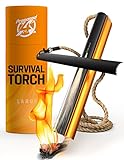
Beyond just a lighter, a comprehensive camping fire starter kit can provide all the essentials for a successful and safe fire, including waterproof matches, tinder, and even a ferro rod for emergencies.
Q: How do I know if my fire is truly out?
A: It’s out when it’s cool to the touch. Douse with water, stir the ashes, and feel them. If it’s too hot to touch, it’s too hot to leave.
Q: Can I use lighter fluid to start a campfire?
A: It’s generally not recommended for campfires. It can cause flare-ups and is very dangerous if not used correctly. Stick to dry tinder and kindling.
Q: My lighter won’t spark. What’s wrong?
A: It could be out of fuel, wet, or have a clogged mechanism. Try a different lighter, or clean the spark wheel if it looks dirty.
Q: How much fuel does a typical lighter hold?
A: Disposable lighters hold a small amount, maybe enough for a few hundred lights. Refillable lighters vary greatly depending on their size.
Q: Is it okay to leave a fire burning while I go to sleep?
A: Absolutely not. A fire should never be left unattended. Always extinguish it completely before leaving the campsite or going to sleep.
Q: What if I run out of lighter fluid on a trip?
A: That’s why you always pack backups! Waterproof matches, a ferro rod, or even a spare lighter are essential.
To avoid running out of fuel unexpectedly, always carry a backup. A stormproof lighter is an excellent choice for a reliable secondary ignition source.
Q: Can I use a lighter to burn trash?
A: Only if it’s paper or cardboard that is allowed to be burned in your fire pit and you have extinguished the main fire. Never burn plastics or anything that produces toxic fumes.
What this page does NOT cover (and where to go next)
- Detailed instructions on building different types of campfires (e.g., teepee, log cabin).
- Specific regulations for individual national parks, forests, or BLM lands.
- Advanced fire-starting techniques for extreme survival situations.
- The use of accelerants like gasoline or kerosene (strongly discouraged).
- How to maintain a campfire for extended periods.
Next, you should research specific fire regulations for your intended camping destination. Also, consider learning about alternative fire-starting tools like ferro rods and waterproof matches. Understanding Leave No Trace principles is also crucial for responsible outdoor recreation.

Camping Bob has spent over 20 years camping across the US — from BLM dispersed sites in the Southwest to KOA campgrounds in the Pacific Northwest. He writes practical, no-nonsense guides to help fellow campers get outdoors with confidence.