
Calculating The Right Amount Of Dry Ice For Your Needs
Quick answer
- Dry ice keeps things super cold, perfect for coolers and shipping.
- Figure out how long you need it cold and the size of your container.
- A general rule is 5-10 pounds per day for a standard cooler.
- Bigger containers or longer trips need more.
- Don’t seal it tight – it needs to vent!
- Handle it with gloves; it’s no joke.
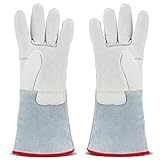
When handling dry ice, always protect your hands with high-quality cryogenic dry ice gloves to prevent frostbite.
What to check first (do this before you drive out)
Before you grab that dry ice, let’s get the lay of the land. It’s all about being prepared, right?
- Land manager / legality: Who owns this patch of earth? Is it National Forest, BLM, a State Park? Each has its own vibe and rules. You might need a permit for certain activities, or there could be specific regulations about what you can bring in. Always check the official website for the area you’re headed to. I learned that the hard way once, trying to set up camp where I wasn’t supposed to. Total bummer.
- Access/road conditions: Can your rig even get there? Is it a paved road, or are we talking washboard gravel that rattles your fillings loose? Some spots need 4WD or high clearance. Mud, snow, or washouts can shut down access faster than you can say “flat tire.” Know your vehicle’s limits and the road’s.
- Fire restrictions + weather + wind: This is a big one. Are campfires a no-go? Check the current fire restrictions for the area. Also, look at the forecast. High winds can make everything miserable and dangerous. Extreme heat means your cooler’s working overtime.
- Water plan + waste plan (Leave No Trace): Where will you get water? Is there a reliable source, or do you need to pack it all in? And what about trash? Pack it in, pack it out. Leave No Trace isn’t just a suggestion; it’s the way to keep these places wild for everyone.
- Safety (wildlife, distance to help, comms): What kind of critters share this space? Know how to store food and handle encounters. How far is the nearest town or ranger station? Cell service is often a myth out there. Have a plan for emergencies, like a satellite communicator if you’re really remote.
Step-by-step (field workflow)
Alright, let’s break down how to get your dry ice game dialed in. It’s not rocket science, but a little thought goes a long way.
1. Assess your needs:
- What to do: Figure out the total duration you need your cooler to stay frozen and the size of your cooler or insulated container.
- What “good” looks like: You have a clear idea of how many days and nights you need consistent cold.
- Common mistake: Underestimating the time. You think it’s a two-day trip, but the drive back takes an extra day. Avoid this by adding a buffer.
2. Determine container size:
- What to do: Measure the internal dimensions of your cooler or shipping box.
- What “good” looks like: You know the volume (in cubic feet or liters) of the space you need to keep cold.
- Common mistake: Guessing. A “large” cooler can vary wildly. Get the actual measurements.
3. Factor in ambient temperature:
- What to do: Consider the expected outside temperatures where you’ll be. Hotter weather means faster sublimation.
- What “good” looks like: You’ve adjusted your estimate upwards if you’re heading into a heatwave.
- Common mistake: Assuming it will be cool. Even moderate temps will eat away at your dry ice faster than you think.
4. Calculate initial dry ice amount:
- What to do: Use a general guideline: 5-10 pounds of dry ice per 24 hours for a standard 50-75 quart cooler. For larger containers or longer trips, scale up.
- What “good” looks like: You have a starting number based on your duration and cooler size.
- Common mistake: Using too little. It’s better to have a bit extra than to run out of cold halfway through.
5. Consider insulation quality:
- What to do: Evaluate how well your cooler or container is insulated. High-performance coolers retain cold much longer.
- What “good” looks like: You know if you have a top-tier cooler or a basic one, and you’ve factored that into your calculation.
- Common mistake: Treating all coolers the same. A cheap cooler will require more dry ice for the same duration.
6. Add a buffer:
- What to do: Always add an extra 10-20% to your calculated amount. Unforeseen delays happen.
- What “good” looks like: You have a small surplus of dry ice to account for the unexpected.
- Common mistake: Not planning for the unknown. That extra 10% can save your food or your shipment.
7. Plan for placement:
- What to do: Decide where the dry ice will go. Placing it on top is usually best, as cold air sinks.
- What “good” looks like: You have a strategy for maximizing the dry ice’s effectiveness.
- Common mistake: Burying it at the bottom. It won’t be as efficient.
8. Ventilation is key:
- What to do: Ensure your container is NOT airtight. Dry ice sublimates into CO2 gas, which needs to escape.
- What “good” looks like: You’ve used a container with a slightly loose lid or drilled a small vent hole.
- Common mistake: Sealing it completely. This can cause a dangerous pressure buildup and potentially rupture the container. Seriously, don’t do this.
9. Purchase and transport:
- What to do: Buy your dry ice as close to departure as possible. Transport it in a well-ventilated vehicle.
- What “good” looks like: You’ve minimized the time the dry ice sits around before use and transported it safely.
- Common mistake: Buying it days in advance. It sublimates constantly, so you’ll have less when you need it.
10. Handle with care:
- What to do: Always use insulated gloves or tongs when handling dry ice.
- What “good” looks like: Your hands are protected from frostbite.
- Common mistake: Touching it with bare skin. It can cause severe frostbite almost instantly.
Alternatively, consider using dry ice tongs for precise and safe placement of dry ice within your cooler.

For safe handling, always use insulated cryogenic dry ice gloves or tongs to avoid direct skin contact.
Common mistakes (and what happens if you ignore them)
| Mistake | What it causes | Fix |
|---|---|---|
| Underestimating duration | Food spoils, shipments arrive warm, your expensive steaks turn into beef jerky. | Add at least 25% extra time to your estimate. Always have a buffer. |
| Overestimating cooler insulation | You think your cheap cooler is a Yeti. It’s not. Your dry ice melts way faster than you calculated. | Be realistic about your cooler’s performance. High-performance coolers need less dry ice. |
| Not accounting for ambient temperature | Heading to Death Valley in August? Your dry ice will vanish like a ghost. | Increase your dry ice amount significantly for hot weather. |
| Forgetting about sublimation rate | Dry ice isn’t static; it turns into gas. If you don’t plan for this, you’ll have less than you need. | Factor in that 5-10 lbs per day per 50-75 qt rule of thumb and scale up. |
| Sealing the container airtight | <strong>DANGER!</strong> CO2 gas builds up, potentially causing a rupture or explosion. Also, your food might get carbonated. | Always ensure ventilation. Leave the lid slightly ajar or use a vented container. |
| Touching dry ice with bare skin | Instant, severe frostbite. Your fingers will not thank you. | Wear heavy insulated gloves or use tongs. Always. |
| Buying dry ice too far in advance | It sublimates constantly. By the time you need it, you’ll have much less than you paid for. | Purchase your dry ice as close to your departure time as possible. |
| Not considering placement within the cooler | Putting it at the bottom means the cold air (which sinks) doesn’t work as efficiently. | Place dry ice on top of items or at the top of the cooler, as cold air sinks. |
| Overpacking the cooler | Stuffing too much in leaves less room for air circulation and can make it harder to pack/unpack. | Leave some breathing room. Ensure items aren’t crushed against the dry ice, which can damage them. |
| Not having a backup plan | What if your cooler fails or you get delayed? | Pack extra non-perishable food and have a plan for getting more ice if needed. |
To prevent severe frostbite, always wear heavy insulated cryogenic dry ice gloves or use tongs when handling dry ice.
Decision rules (simple if/then)
- If your trip is longer than 3 days, then plan for at least 10-15 pounds of dry ice per day for a standard cooler because sublimation is constant.
- If you’re going into extremely hot weather (over 85°F), then increase your dry ice estimate by 50% because the heat accelerates sublimation.
- If you have a high-performance cooler (like a YETI or RTIC), then you can potentially reduce your dry ice needs by 10-15% compared to a basic cooler because they insulate much better.
- If you are shipping perishables, then use dry ice that is rated for food-grade shipping and ensure proper packaging to prevent damage.
- If you are transporting dry ice in a car, then ensure the vehicle is well-ventilated because CO2 gas can displace oxygen.
- If you are unsure about the amount, then err on the side of having too much dry ice because running out is worse than having a little left over.
- If you need to keep items frozen solid, then use more dry ice and place it directly on top of the items.
- If you only need to keep items chilled, then less dry ice can be used, and it can be placed below or around the items.
- If you are traveling by air with dry ice, then check the airline’s specific regulations first, as they vary widely and often have restrictions.
- If you are storing dry ice for more than a few hours, then keep it in an insulated container that allows for ventilation because it will continue to sublimate.
- If you are using dry ice for a large event or catering, then consult with a dry ice supplier for precise calculations based on your specific needs and equipment.
FAQ
How much dry ice do I need for a 5-day camping trip in a 75-quart cooler?
For a 5-day trip in a 75-quart cooler, you’ll likely need around 35-50 pounds of dry ice. This is based on a general estimate of 5-10 pounds per day, with extra for the longer duration and potential for warmer weather.
Can I use dry ice in a regular cooler?
Yes, you can use dry ice in a regular cooler, but it will sublimate faster than in a high-performance one. Ensure the cooler is well-insulated and that the lid isn’t sealed airtight.
Is it safe to put dry ice in my car?
Yes, but only if the car is well-ventilated. Dry ice releases carbon dioxide gas, which can displace oxygen. Crack windows or ensure good airflow to prevent suffocation hazards.
How long does dry ice last?
Dry ice typically lasts 24-48 hours in a well-insulated cooler. This duration depends heavily on the cooler’s quality, ambient temperature, and how often it’s opened.
What happens if I don’t use enough dry ice?
If you don’t use enough, your items won’t stay cold enough. Food will spoil, and anything you need to keep frozen will thaw. It’s a bummer when your ice cream melts.
What happens if I use too much dry ice?
Using too much isn’t usually a safety issue if ventilated properly, but it’s wasteful and expensive. You might also freeze items you only wanted chilled.
Can I store leftover dry ice?
Yes, in an insulated container with ventilation. It will continue to sublimate, so the amount will decrease over time. It’s best to use it as soon as possible.
What’s the difference between dry ice and regular ice?
Dry ice is solid carbon dioxide and is much colder (-109.3°F or -78.5°C) than regular ice (32°F or 0°C). Dry ice sublimates directly into gas, leaving no water.
Where can I buy dry ice?
You can often find dry ice at grocery stores, ice suppliers, and some welding supply shops. Call ahead to confirm availability and pricing.
What this page does NOT cover (and where to go next)
- Specific vendor pricing and availability for dry ice.
- Detailed instructions for shipping perishable goods via specific carriers.
- Advanced insulation techniques for custom containers.
- The science of CO2 sublimation and its thermodynamic properties.
- Recipes for using dry ice in cocktails (though that’s a fun topic!).

Camping Bob has spent over 20 years camping across the US — from BLM dispersed sites in the Southwest to KOA campgrounds in the Pacific Northwest. He writes practical, no-nonsense guides to help fellow campers get outdoors with confidence.