
Starting A Wood Fire: A Reliable Method
Quick answer
- Gather tinder, kindling, and fuelwood before you even think about striking a match.
- Protect your fire-starting materials from moisture. Always.
- Build a stable structure that allows airflow.
- Start small and build up. Don’t rush it.
- Have a water source and shovel ready for safety.
- Know the fire restrictions for where you are.
What to check first (do this before you drive out)
Before you even pack the car, get a handle on a few key things. This saves you a lot of hassle, and potentially a ticket.
- Land manager / legality: Who owns the dirt you’re about to camp on? Is it National Forest, BLM land, a state park, or private property? Each has its own rules. You can usually find this info on their official websites. A quick search for “[Area Name] camping regulations” should do the trick.
- Access/road conditions: Can your rig actually get there? Some forest service roads are no joke. Check for recent reports on road conditions. If it’s a remote spot, you might need 4WD and decent clearance. Don’t be the guy who gets stuck miles from nowhere.
- Fire restrictions + weather + wind: This is non-negotiable. Check the current fire danger level and any burn bans. Even if fires are allowed, high winds can make a small campfire a wildfire risk. Look at the forecast too – rain can put out your fire, and extreme heat can make things dangerous.
- Water plan + waste plan (Leave No Trace): Always have a way to put your fire out completely. That means a shovel and a good amount of water. Plan how you’ll pack out all your trash, including food scraps. Leave it better than you found it.
- Safety (wildlife, distance to help, comms): Be aware of local wildlife. Keep your camp clean to avoid attracting critters. Know how far the nearest ranger station or town is. And for crying out loud, tell someone where you’re going and when you expect to be back. Cell service is spotty out there.
Step-by-step (field workflow)
Alright, you’ve done your homework. You’re at the campsite, the gear is out, and it’s time to get that fire going.
1. Select your fire pit: Use an existing fire ring if available. If not, find a spot on bare mineral soil, away from overhanging branches and dry grass. A good spot is usually clear of vegetation for at least 10 feet around.
- What “good” looks like: A safe, established spot that won’t spread fire.
- Common mistake: Building a fire in dry leaves or under low branches. This is a recipe for disaster. Always clear the area thoroughly.
2. Gather your materials: You need three types of fuel: tinder, kindling, and fuelwood. Tinder is fine, fluffy stuff that catches a spark easily (think dry grass, birch bark shavings, cotton balls soaked in petroleum jelly). Kindling is small twigs, pencil-lead to finger-thick. Fuelwood is larger pieces, wrist-thick and up.
- What “good” looks like: A substantial pile of each type, dry and ready.
- Common mistake: Not gathering enough tinder and kindling. You’ll run out before the bigger wood catches. Gather more than you think you’ll need.
3. Prepare your tinder: Fluff up your tinder so it has plenty of air. If using natural materials, break them into fine pieces.
- What “good” looks like: A light, airy nest of tinder ready to ignite.
- Common mistake: Using damp or matted-down tinder. It just smolders. Make sure it’s bone dry and airy.
4. Build your structure: There are a few ways to do this. A simple teepee or log cabin structure works well. Place your tinder in the center, then lean kindling around it, leaving space for air.
- What “good” looks like: A stable, breathable structure that won’t collapse and allows airflow to the tinder.
- Common mistake: Packing the kindling too tightly. The fire needs oxygen to burn. Leave gaps.
5. Ignite the tinder: Use a reliable fire starter – matches in a waterproof container, a lighter, or a ferro rod. Light the tinder from the bottom, shielding it from wind.
- What “good” looks like: The tinder catches flame and burns steadily.
- Common mistake: Trying to light the kindling directly. You need the tinder to establish a flame first.
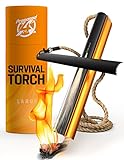
For a reliable ignition every time, consider carrying a comprehensive camping fire starter kit. These kits often include waterproof matches, tinder, and other essentials.
6. Feed the flame with kindling: As the tinder burns, it will start to ignite the smallest pieces of kindling. Gently add slightly larger kindling as the flames grow. Don’t smother the nascent fire.
- What “good” looks like: A healthy flame licking up the kindling.
- Common mistake: Adding too much kindling too soon, or adding pieces that are too large. Go slow and steady.
7. Transition to fuelwood: Once the kindling is burning well and you have a good bed of coals, start adding your smallest pieces of fuelwood. Gradually increase the size of the wood as the fire grows stronger.
- What “good” looks like: The fire is robust, burning the smaller fuelwood and producing more heat.
- Common mistake: Putting on large logs too early. They’ll just smother the fire. Wait until you have a solid coal bed.
8. Maintain the fire: Keep adding fuelwood as needed to maintain the desired flame. Don’t build a bonfire if you just need a cooking fire.
- What “good” looks like: A controlled fire that meets your needs.
- Common mistake: Letting the fire get too big or unattended. Always keep an eye on it.
9. Extinguish the fire: When you’re done, douse the fire with plenty of water. Stir the ashes and embers with a shovel until everything is cool to the touch. Seriously, feel it with your hand (carefully!). If it’s too hot to touch, it’s too hot to leave.
- What “good” looks like: Cold, wet ashes with no glowing embers.
- Common mistake: Thinking a little water is enough. Drown it, stir it, and check it again.
Common mistakes (and what happens if you ignore them)
| Mistake | What it causes | Fix |
|---|---|---|
| Not checking fire restrictions | Fines, jail time, and starting a wildfire that destroys thousands of acres. | Always check local fire danger levels and burn bans before you go. |
| Using damp or wet fire-starting materials | Fire won’t start, frustration, wasted time and energy. | Store tinder and kindling in waterproof bags. Dry any collected materials thoroughly. |
| Building a fire in an unsafe location | Spreading wildfire to surrounding vegetation, property damage, or personal injury. | Use existing fire rings. If creating a new spot, clear a 10-foot radius down to mineral soil. |
| Not gathering enough fuel | Fire dies out, you’re stuck in the cold/dark, or have to go out in the dark. | Gather significantly more tinder and kindling than you think you’ll need. |
| Packing kindling too tightly | Fire smothers, won’t catch, or burns weakly. | Build structures (teepee, log cabin) that allow good airflow. Leave gaps. |
| Adding large logs too soon | Smothers the flames, turns a promising fire into smoke. | Start with tinder, then small kindling, then gradually larger fuelwood as the fire grows stronger. |
| Leaving a fire unattended | Wildfire, damage to campsites, or injury. | Never leave a fire burning unsupervised. Keep a shovel and water nearby at all times. |
| Not extinguishing fire completely | Rekindling of embers, starting a wildfire hours or days later. | Douse with water, stir with a shovel, and feel the ashes to ensure they are cold. |
| Using accelerants like gasoline | Explosions, severe burns, uncontrollable flames, and environmental damage. | Never use gasoline or other volatile accelerants. Rely on proper fire-starting technique. |
| Ignoring wind conditions | Fire spreads rapidly and uncontrollably, leading to wildfire. | Be extra cautious in windy conditions. Keep fires small and have a plan to extinguish quickly. |
Decision rules (simple if/then)
- If the fire danger is “High” or “Extreme,” then do not build a fire because it’s too risky and likely illegal.
- If you can’t find an existing fire ring, then create a new one on bare mineral soil, away from flammable materials, because safety is paramount.
- If your tinder is damp, then dry it thoroughly or use a backup (like petroleum jelly cotton balls) because damp tinder won’t catch a spark.
- If the wind picks up significantly, then consider letting the fire die down or extinguishing it because strong winds can spread embers rapidly.
- If you only have small twigs for kindling, then gather more finger-thick branches because they burn longer and transfer heat better.
- If you’re using a ferro rod, then aim the sparks directly at your prepared tinder nest because that’s the most efficient way to ignite it.
- If the fire is producing a lot of smoke but little flame, then check your airflow and add smaller, drier fuel because the fire is likely starving for oxygen or needs better material.
- If you are camping in a designated campground with fire pits, then use the provided fire pit because it’s designed for safety and responsible use.
- If you are unsure about the legality of fires in your area, then err on the side of caution and skip the fire until you can confirm it’s permitted because a fine is not a fun souvenir.
- If you have an emergency and need to leave your campsite suddenly, then ensure your fire is completely extinguished before departing because leaving a smoldering fire is a major safety hazard.
- If you plan to cook, then build a smaller, more controlled fire with a good coal bed because that’s more efficient for cooking than a large, roaring fire.
- If you’re in a wet environment, then look for standing dead wood or birch bark for tinder and kindling because ground wood is often too damp.
If you’re looking for a durable and effective fire starter, a ferrocerium rod is an excellent choice. It produces high-temperature sparks even in wet conditions.

FAQ
What’s the best way to get dry tinder in wet conditions?
Look for standing dead wood, especially under rock overhangs or dense evergreen canopies. Birch bark is a lifesaver, as it’s oily and burns even when damp. You can also bring your own waterproof tinder like cotton balls soaked in petroleum jelly.
How much wood do I need for an overnight fire?
It depends on the wood type, how cold it is, and how large you keep the fire. For a typical campsite fire for warmth and ambiance, gather enough fuelwood to last several hours, plus extra kindling. It’s always better to have too much than too little.
Can I use lighter fluid or kerosene to start my fire?
No, you absolutely should not. These accelerants are dangerous, can cause explosions, and leave chemical residues. Stick to proper fire-starting techniques and materials.
What if I can’t find any dry kindling?
If you’re stuck with damp kindling, you can try to shave off the outer wet layer to get to the drier wood inside. You can also use your knife to make feather sticks from slightly damp wood, which increases surface area and helps it catch.
How do I know if my fire is completely out?
The best test is to carefully touch the ashes and embers with the back of your hand. If it’s too hot to touch, it’s too hot to leave. Douse with water, stir with a shovel, and repeat until cold.
What’s the difference between tinder, kindling, and fuelwood?
Tinder is the easiest to ignite (fine, fluffy). Kindling is slightly larger (twigs) that catches from the tinder. Fuelwood is the largest, used to sustain the fire once it’s going strong.
Is it okay to burn trash in my campfire?
Generally, no. Most trash, especially plastics and treated materials, creates toxic fumes and leaves harmful residue. Pack out everything you pack in.
How long should I let my fire burn down before going to bed?
Let it burn down to coals, then douse and stir. Don’t go to bed with a roaring fire. A small, controlled fire that dies down to embers is manageable for extinguishing.
What this page does NOT cover (and where to go next)
- Advanced fire-starting techniques for extreme survival situations.
- Building specialized cooking fires or long-burning fires.
- Specific legal regulations for every park and forest in the US.
- Identifying edible or medicinal plants for fire-starting.
- Detailed information on different types of wood and their burning properties.