
Operating Your Mr. Heater Safely
Quick answer
- Know your heater model. They aren’t all the same.
- Always use in a well-ventilated space. Never inside a tent or RV.
- Check fuel levels before you head out. Nobody likes a cold surprise.
- Keep flammable things far away. Seriously, a good buffer zone.
- Monitor CO levels. A cheap detector is worth its weight in gold.
- Shut it off and disconnect fuel when not in use. Simple and smart.
- Store it upright. Don’t be that person with a leaky tank.
What to check first (do this before you drive out)
Before you even think about firing up that Mr. Heater, a few things need a solid once-over. This isn’t just about comfort; it’s about staying safe out there.
Before you even think about firing up that portable propane heater, a few things need a solid once-over. This isn’t just about comfort; it’s about staying safe out there.

- Land manager / legality: Who’s in charge of the land you’re on? Is it National Forest, BLM, a state park, or private? Different folks have different rules, especially about fires and open flames. A quick look at the agency’s website or a call to the ranger station can save you a headache. Sometimes, even where you can legally set up camp dictates what kind of heat you can use.
- Access/road conditions: Can your rig actually get to where you want to go? Gravel roads can turn to soup after rain. Steep, rutted tracks? You’ll want something with decent clearance and maybe 4WD. If you’re unsure, err on the side of caution. Parking a bit further out and hiking in is better than getting stuck. I learned that one the hard way with a mud pit that swallowed my old Subaru.
- Fire restrictions + weather + wind: This is huge. Dry conditions mean fire bans, and that includes portable heaters if they’re deemed a fire risk. Always check current fire restrictions for the area. Weather can change fast. High winds are a heater’s worst enemy. They can blow out flames, scatter embers, or even tip the unit. Check the forecast, and if it looks gnarly, pack an extra layer instead of relying solely on a heater.
- Water plan + waste plan (Leave No Trace): You’re out camping, so Leave No Trace principles apply. Have a plan for water – not just for drinking, but for dousing any embers if things go sideways. And waste? Propane tanks are recyclable, but don’t just leave ’em. Pack it out. Same goes for any packaging.
- Safety (wildlife, distance to help, comms): Keep your heater away from your tent, obviously. But also consider where wildlife might wander. Don’t set up right next to a game trail. Know how far you are from the nearest ranger station or town. Cell service is often spotty. A satellite messenger or a good old-fashioned plan with someone back home is crucial if you’re heading deep into the backcountry.
Step-by-step (field workflow)
Here’s how to get that Mr. Heater running, the right way.
1. Choose a safe location:
- What to do: Find a flat, stable, non-flammable surface outdoors. Think dirt, gravel, or packed sand. Keep it at least 10 feet away from tents, sleeping bags, vehicles, dry brush, or anything that can catch fire.
- What “good” looks like: A clear, open space with no overhead obstructions like branches. The ground is firm and level.
- Common mistake: Setting it up on a picnic table with dry leaves or right next to the tent flap. Avoid this by giving it ample breathing room.
2. Inspect the heater:
- What to do: Look for any damage to the unit, hoses, or regulator. Make sure the mesh screen is intact.
- What “good” looks like: Everything looks solid, no dents, no cracks, no loose parts. The regulator screws on smoothly.
- Common mistake: Using a heater with a cracked hose or bent regulator. This is a recipe for leaks and potential fires.
3. Connect the fuel source:
- What to do: For most portable Mr. Heaters, this means screwing on a propane cylinder (like a 1lb disposable or a larger refillable tank with an adapter). Ensure the heater’s valve is in the OFF position.
- What “good” looks like: The cylinder screws on securely and hand-tight. No hissing sounds.
- Common mistake: Forcing the connection or not tightening it enough. If it feels wobbly, it’s not right.
For most portable Mr. Heaters, this means screwing on 1 lb disposable propane canisters. Ensure the heater’s valve is in the OFF position.
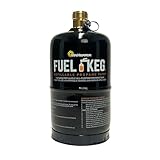
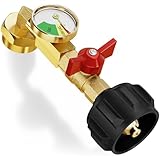
If you’re using a larger refillable tank, you’ll need a propane tank adapter. This propane tank adapter is a great choice for connecting larger tanks to your Mr. Heater.
For most portable Mr. Heaters, this means screwing on a 1lb propane cylinder. We recommend these reliable 1 lb propane cylinders for consistent performance.

4. Turn on the propane supply:
- What to do: Slowly open the valve on the propane cylinder or tank.
- What “good” looks like: No audible leaks. You can sometimes feel a faint coolness if you hold your hand near the connection (don’t do this for too long, just a quick check).
- Common mistake: Opening the valve too quickly, which can sometimes trigger safety mechanisms on certain regulators or cause a loud whoosh.
5. Ignite the heater:
- What to do: Follow your specific model’s instructions. Usually, this involves pushing in and holding the control knob while simultaneously pressing the igniter button or using a long lighter to light the burner.
- What “good” looks like: The burner ignites with a steady blue flame. It should stay lit when you release the knob.
- Common mistake: Not holding the knob in long enough after ignition. The flame will go out, and you’ll have unburned propane in the air.
6. Adjust heat setting:
- What to do: Once lit, slowly turn the control knob to your desired heat output.
- What “good” looks like: The flame size adjusts accordingly, providing the right amount of warmth.
- Common mistake: Cranked to high immediately. Start lower and adjust. Sometimes you only need a little warmth.
7. Monitor the area:
- What to do: Periodically check the heater and its surroundings. Ensure nothing has moved closer to it. Keep an eye on wind changes.
- What “good” looks like: The heater is functioning normally, the area around it remains clear, and you’re aware of your surroundings.
- Common mistake: Forgetting about the heater once it’s on and wandering off. It needs supervision.
Periodically check your portable propane heater and its surroundings. Ensure nothing has moved closer to it.
8. Shut down safely:
- What to do: Turn the heater’s control knob to the OFF position. Then, close the valve on the propane cylinder/tank.
- What “good” looks like: The flame extinguishes completely. The cylinder valve is fully closed.
- Common mistake: Forgetting to close the cylinder valve. This leaves propane in the line and heater, which isn’t ideal for storage or safety.
9. Disconnect fuel source:
- What to do: Once the heater is cool, carefully unscrew the propane cylinder/tank.
- What “good” looks like: The connection is clean and dry. The cylinder is stored upright.
- Common mistake: Leaving the cylinder attached when not in use, especially for extended periods or during transport.
10. Store properly:
- What to do: Ensure the heater is completely cool and dry. Store it in a well-ventilated area, away from ignition sources. Keep the cap on the propane connection if it has one.
- What “good” looks like: The heater is clean, dry, and safely stored.
- Common mistake: Storing a warm heater or one with residual fuel in an enclosed space like a car trunk or shed.
Common mistakes (and what happens if you ignore them)
| Mistake | What it causes | Fix |
|---|---|---|
| Using indoors (tent, RV, garage) | Carbon monoxide poisoning, fire, suffocation | ALWAYS use outdoors in a well-ventilated area. Never inside enclosed spaces. |
| Placing too close to flammable materials | Fire, melting plastic, damaged gear | Maintain at least 10 feet clearance from tents, gear, dry vegetation, and vehicles. |
| Not checking for propane leaks | Fire or explosion risk | Use soapy water on connections; look for bubbles. If you smell gas, turn off and fix immediately. |
| Using a damaged heater or hose | Leaks, uncontrolled flames, fire | Inspect before every use. If damaged, do not use. Repair or replace. |
| Not monitoring the heater | Overheating, tipping, fire, unattended flames | Stay within sight and earshot of the heater when it’s on. |
| Forgetting to turn off propane cylinder valve | Propane loss, potential leak, safety hazard during transport | ALWAYS close the cylinder valve after turning off the heater. |
| Not having a carbon monoxide detector | Silent, deadly CO buildup, leading to incapacitation or death | Invest in and use a battery-powered CO detector whenever using a fuel-burning appliance. |
| Storing with propane attached | Potential leaks, pressure buildup, fire risk in storage | Disconnect fuel source after cooling and before storage. |
| Operating in high winds | Flame blow-out, uneven heating, potential tipping and fire spread | Avoid use in high winds. If wind picks up, shut down. |
| Not having a fire extinguisher nearby | Inability to control a small fire, leading to a larger, dangerous situation | Keep a rated fire extinguisher accessible and know how to use it. |
Decision rules (simple if/then)
- If you smell propane, then shut off the heater and the cylinder valve immediately because it indicates a leak.
- If the flame is yellow or flickering erratically, then shut it off and check for obstructions or improper fuel mix because this indicates incomplete combustion.
- If you are in an enclosed space, then do not turn on the heater because of the extreme risk of carbon monoxide poisoning.
- If the wind is gusting over 20 mph, then consider not using the heater because it can be unstable and inefficient.
- If you see any damage to the unit or hose, then do not use it because it’s a safety hazard.
- If your carbon monoxide detector beeps, then immediately shut off the heater, ventilate the area, and exit to fresh air because it’s detecting dangerous levels.
- If you are unsure about the legality of using a portable heater, then check with the land manager before you go because rules vary widely.
- If the ground is uneven or soft, then find a more stable spot or use a sturdy, non-flammable base because stability prevents tipping.
- If the heater ignites with a whoosh or loud pop, then shut it off and try again, holding the knob longer, because you likely had propane buildup.
- If you plan to camp where it’s very cold, then bring backup heat or extra layers because relying solely on a small propane heater might not be enough.
- If you are transporting the heater with a propane cylinder attached, then ensure the cylinder valve is closed and the unit is secure because leaks during transit are dangerous.
FAQ
Q: Can I use a Mr. Heater inside my tent?
A: Absolutely not. Never, ever use a Mr. Heater or any unvented fuel-burning appliance inside a tent, RV, or any enclosed space. The risk of carbon monoxide poisoning is extremely high and can be fatal.
Q: How do I know if I have a propane leak?
A: The most obvious sign is the smell of propane. You can also apply a soapy water solution to connections; if bubbles form, you have a leak. Always check for leaks before lighting.
Q: What’s the best way to store my Mr. Heater?
A: Make sure the heater is completely cool and dry. Disconnect the propane cylinder. Store the heater and cylinder separately in a cool, dry, well-ventilated area away from any ignition sources.
Q: My heater won’t stay lit. What’s wrong?
A: You might not be holding the control knob in long enough after ignition. It needs to heat up the thermocouple for a few seconds to keep the gas flowing. Also, check for drafts or low fuel.
Q: How long does a 1lb propane bottle last?
A: It depends on the heater’s setting and the model, but generally, a 1lb bottle can last anywhere from 1 to 6 hours. For longer trips, consider a larger refillable tank with an adapter.
It depends on the heater’s setting and the model, but generally, a 1 lb disposable propane canister can last anywhere from 1 to 6 hours.
For longer trips, consider a larger refillable tank with an adapter. This propane tank adapter allows you to connect larger tanks for extended use.
A 1lb propane bottle can last anywhere from 1 to 6 hours. Stock up on these convenient 1lb propane cylinders for your next trip.
Q: Is it safe to use a Mr. Heater in windy conditions?
A: It’s not ideal. High winds can blow out the flame, lead to uneven heating, or even tip the unit. If it’s very windy, it’s safer to shut it down and rely on warmer clothing.
Q: Do I need a carbon monoxide detector when using a Mr. Heater?
A: Yes, a battery-powered carbon monoxide detector is highly recommended. It’s a critical safety device that can alert you to dangerous levels of CO, which is odorless and deadly.
Q: Can I use a Mr. Heater near my vehicle?
A: Keep it at least 10 feet away from your vehicle. While the vehicle itself isn’t flammable, you don’t want to risk melting plastic parts or igniting anything in the engine bay if something goes wrong.
What this page does NOT cover (and where to go next)
- Specific troubleshooting for every single Mr. Heater model. (Check your owner’s manual).
- Detailed information on propane tank refilling or exchange programs. (Contact local propane suppliers).
- Advanced backcountry heating solutions or alternative fuel types. (Research specialized gear).
- Legal regulations for open flames in specific federal or state land areas. (Consult agency websites or ranger stations).
- DIY modifications or repairs to your heater. (Only use manufacturer-approved parts and procedures).