
How to Smoke Salt at Home
Quick answer
- Get a smoker or a grill set up for indirect heat.
- Use hardwood chips like hickory, mesquite, or applewood.
- Keep the temperature low, ideally between 100-200°F.
- Smoke for 2-8 hours, depending on desired flavor intensity.
- Stir the salt periodically for even smoking.
- Store in an airtight container once cooled.
What to check first (do this before you drive out)
Before you even think about firing up the smoker, let’s make sure you’re set up for success. This isn’t about packing the right gear for a backcountry trip, but it’s just as important for getting that smoky flavor right.
If you’re looking for a reliable and easy-to-use option, consider an electric smoker like this one. It’s perfect for maintaining consistent low temperatures, which is crucial for smoking salt.
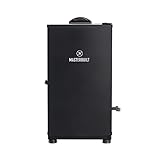
- Equipment Check: Got a smoker or a grill that can hold a low, consistent temperature? Make sure it’s clean and ready to go. You don’t want last week’s fish taste clinging to your salt.
- Wood Selection: What kind of wood are you using? Hardwoods are your friend here. Hickory, mesquite, apple, or cherry wood chips work great. Avoid softwoods like pine – they’ll make your salt taste like a Christmas tree.
- Temperature Control: This is key. You want low and slow. Aim for 100-200°F. Too hot and you’ll just dry out the salt, not smoke it. Too cool and you won’t get much flavor.
- Ventilation: Ensure good airflow. This helps the smoke circulate and prevents your salt from getting acrid. It’s like setting up your tent so it doesn’t get stuffy on a warm night.
- Salt Choice: What kind of salt are you smoking? Coarse sea salt or kosher salt are ideal. Fine table salt can get clumpy and won’t absorb smoke as well.
Step-by-step (field workflow)
Alright, let’s get this smoky goodness going. Think of this like setting up camp – methodical and with a clear goal.
1. Prepare Your Smoker/Grill:
- What to do: Set up your smoker or grill for indirect heat. This means the heat source (coals, burner) is to the side, not directly under the salt.
- What “good” looks like: A stable temperature in the 100-200°F range, with consistent smoke production.
- Common mistake: Placing the salt directly over the heat source. This will cook the salt, not smoke it, and can lead to burnt, bitter results. Make sure your heat is offset.
For precise temperature control and ease of use, an electric smoker can be a great investment. This particular electric smoker is highly rated for its ability to hold a steady temperature, making your salt smoking process much smoother.
2. Choose and Prepare Your Wood:
- What to do: Select your hardwood chips. If they’re dry, soak them for about 30 minutes to an hour. This helps them smolder rather than burst into flame.
- What “good” looks like: Damp wood chips that produce a steady stream of thin, blue smoke.
- Common mistake: Using dry chips that ignite quickly, producing acrid, white smoke. This can impart a harsh flavor. Pre-soaking helps prevent this.
3. Add Wood to Heat Source:
- What to do: Once your smoker/grill is at temperature, add your soaked wood chips to the heat source. If using charcoal, place them on the hot coals. If using a gas grill, use a smoker box or foil pouch.
- What “good” looks like: The wood starts to smolder and produce a consistent, light blue smoke.
- Common mistake: Adding too much wood at once. This can create too much smoke and overwhelm your salt. Start with a manageable amount and add more as needed.
4. Prepare Your Salt:
- What to do: Spread your coarse salt in a thin, even layer on a perforated pan, a mesh baking sheet, or directly on your smoker rack (if the holes are small enough).
- What “good” looks like: A single, even layer of salt. No clumps, no piles. This ensures maximum surface area for smoke absorption.
- Common mistake: Piling the salt too thick. This prevents the smoke from reaching the bottom layers, resulting in uneven flavor. Think of it like trying to fit too much into a small backpack – it just doesn’t work well.
5. Place Salt in Smoker:
- What to do: Position the pan or rack with the salt in the smoker, away from the direct heat source.
- What “good” looks like: The salt is in the path of the smoke, but not directly over the heat.
- Common mistake: Placing the salt too close to the heat source, leading to scorching. Keep it in the indirect zone.
6. Smoke the Salt:
- What to do: Let the salt smoke for 2-8 hours. The duration depends on how strong you want the smoky flavor. Start checking around the 2-hour mark.
- What “good” looks like: The salt takes on a subtle (or strong, depending on time) smoky aroma and color. It might appear slightly darker.
- Common mistake: Smoking for too short a time and not getting enough flavor, or smoking for too long and making it overpowering. Taste as you go!
7. Stir Periodically:
- What to do: Every hour or so, give the salt a good stir. This exposes new surfaces to the smoke.
- What “good” looks like: The salt is evenly colored and flavored throughout.
- Common mistake: Forgetting to stir. This leads to some salt being heavily smoked and other parts barely touched.
8. Cool and Store:
- What to do: Once you’re happy with the flavor, remove the salt from the smoker. Let it cool completely on the counter.
- What “good” looks like: The salt is dry and free-flowing.
- Common mistake: Storing the salt while it’s still warm. This can cause condensation in the container, leading to clumping.
Common mistakes (and what happens if you ignore them)
| Mistake | What it causes | Fix |
|---|---|---|
| Smoking over direct heat | Burnt, bitter salt; no smoke flavor | Always use indirect heat. |
| Using softwoods (pine, fir) | Acrid, unpleasant, “campfire” flavor | Stick to hardwoods like hickory, mesquite, apple, or cherry. |
| Piling salt too thick | Uneven smoking; bottom layers don’t get enough flavor | Spread salt in a thin, single layer. |
| Forgetting to stir the salt | Uneven flavor distribution; some salt is bland, some is strong | Stir the salt every 30-60 minutes. |
| Smoking at too high a temperature | Salt dries out, doesn’t absorb smoke well | Maintain a low temperature (100-200°F). |
| Using too much wood at once | Overpowering, acrid smoke flavor | Add wood in smaller batches; let it smolder. |
| Storing warm salt | Clumping due to condensation | Let the salt cool completely before storing. |
| Not checking temperature consistently | Inconsistent smoking; can burn or not smoke enough | Monitor your smoker’s temperature throughout the process. |
| Using fine table salt | Clumps easily; doesn’t absorb smoke as well as coarse salt | Use coarse sea salt or kosher salt for best results. |
| Not allowing enough ventilation | Stale smoke; can lead to bitter flavors | Ensure good airflow in your smoker. |
Decision rules (simple if/then)
- If the smoke is thick and white, then reduce the amount of wood or increase airflow because this indicates incomplete combustion and can lead to bitter flavors.
- If the salt is clumping, then it’s likely still too warm or has absorbed moisture, so let it dry out completely before storing.
- If you want a mild smoke flavor, then smoke for 2-4 hours because longer times will intensify the taste.
- If you desire a strong, robust smoke flavor, then plan for 6-8 hours of smoking because it takes time for the salt to deeply absorb the smoke.
- If your smoker temperature is creeping above 200°F, then adjust your vents or heat source because higher temps will cook the salt instead of smoking it.
- If the wood chips are burning too quickly, then use fewer chips or consider soaking them longer because rapid burning creates harsh smoke.
- If you’re using a gas grill, then use a smoker box or foil pouch for wood chips because this helps contain the smoke and smolder the wood effectively.
- If you notice the salt is getting too dark too quickly, then it might be smoking too intensely, so consider moving it further from the smoke source or reducing the smoking time.
- If you’re unsure about the flavor, then taste a small pinch after 2 hours and continue tasting every hour or so because this is the best way to dial in your preference.
- If the salt still tastes “raw” or bland after smoking, then it likely needs more time or more smoke, so continue the process.
FAQ
Q: What kind of salt is best for smoking?
A: Coarse sea salt or kosher salt are ideal. They have larger crystals that absorb smoke well and don’t clump as easily as fine table salt.
Q: How long does it take to smoke salt?
A: Anywhere from 2 to 8 hours. The time depends on how intense you want the smoky flavor. Start tasting around the 2-hour mark.
Q: What wood should I use?
A: Hardwoods are best. Hickory, mesquite, apple, and cherry wood are popular choices that provide great flavor without being overpowering.
Q: Can I smoke salt on a regular grill?
A: Yes, absolutely. You’ll just need to set it up for indirect heat and use wood chips in a smoker box or foil pouch.
While you can use a regular grill, an electric smoker offers unparalleled convenience and consistency for smoking salt. This electric smoker is a fantastic choice for beginners and experienced smokers alike.
Q: Do I need to soak the wood chips?
A: Soaking wood chips for 30 minutes to an hour helps them smolder rather than burst into flame, producing a more consistent, less acrid smoke.
Q: How should I store smoked salt?
A: Once completely cooled, store it in an airtight container. This keeps it fresh and prevents it from absorbing moisture.
Q: What temperature should my smoker be?
A: Aim for a low temperature, ideally between 100°F and 200°F. This low heat allows the salt to absorb smoke without cooking.
Q: My salt looks a bit clumpy. What did I do wrong?
A: This usually happens if the salt wasn’t fully cooled before storing, or if it absorbed moisture from the air. Ensure it’s completely dry and cool before sealing it in its container.
What this page does NOT cover (and where to go next)
- Specific smoker models and their detailed operation.
- Advanced techniques like using different wood combinations for complex flavor profiles.
- Commercial-scale salt smoking processes.
- Recipes that incorporate smoked salt (though we highly recommend exploring these!).
- The science behind smoke chemistry.

Camping Bob has spent over 20 years camping across the US — from BLM dispersed sites in the Southwest to KOA campgrounds in the Pacific Northwest. He writes practical, no-nonsense guides to help fellow campers get outdoors with confidence.