
How To Start A Wood Fire For Camping Or Your Fireplace
Quick answer
- Gather tinder, kindling, and fuelwood before you even think about striking a match.
- Clear a safe zone around your fire pit.
- Build a structure that allows airflow but protects your flame.
- Light the tinder from the upwind side.
- Gradually add kindling, then fuelwood, as the fire grows.
- Never leave a fire unattended.
- Always have water and a shovel nearby.
What to check first (do this before you drive out)
Before you even think about sparking up, a few things need to happen. This isn’t just about comfort; it’s about safety and responsibility.
- Land manager / legality: Who owns this patch of dirt? Is it National Forest, BLM land, a state park, or private property? Each has its own rules. Some places might have fire bans you absolutely must respect. Ignorance isn’t a defense here, folks.
- Access/road conditions: Can your rig actually get there? A fire is no good if you’re stuck miles from civilization. Check if the road needs 4WD, if it’s passable after rain, or if it’s even open.
- Fire restrictions + weather + wind: This is huge. Are campfires even allowed? Check the official websites for fire bans. Then, look at the forecast. High winds and dry conditions are a recipe for disaster. Don’t be the one who starts a wildfire.
- Water plan + waste plan (Leave No Trace): How will you put this fire out completely? Have a bucket of water and a shovel ready. And remember, everything you pack in, you pack out. That includes trash. Don’t burn your garbage; it pollutes and can attract animals.
- Safety (wildlife, distance to help, comms): Keep your campsite clean to avoid attracting bears or other critters. Know how far the nearest ranger station or town is. Cell service is often spotty, so tell someone where you’re going and when you’ll be back.
Step-by-step (field workflow)
Alright, you’ve done your homework. Now, let’s get that fire going.
1. Select your spot.
- What to do: Find a designated fire ring or a safe, cleared area at least 10 feet from tents, trees, and overhanging branches.
- What “good” looks like: A clear, non-flammable base (like dirt or rock) with no dry leaves or grass nearby.
- Common mistake: Using a spot too close to flammable materials. Avoid this by clearing a wider radius than you think you need.
2. Gather your fuel.
- What to do: Collect three types of wood: tinder, kindling, and fuelwood.
- What “good” looks like: Tinder is dry, fluffy stuff (birch bark, cottonwood fuzz, dry pine needles). Kindling is pencil-lead to finger-thick dry twigs. Fuelwood is larger pieces, wrist-thick and up. Pro tip: Always bring some reliable fire starters from home, just in case.
- Common mistake: Not gathering enough of each type before starting. Avoid this by making a thorough sweep of the area and packing extra.
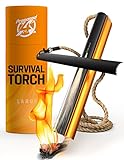
For extra reliability, consider bringing a dedicated camping fire starter kit. It often includes waterproof tinder and reliable ignition sources.
3. Prepare the fire pit.
- What to do: Ensure the fire pit is clear of debris. If you’re building one from scratch (where allowed), dig a shallow pit or ring it with rocks.
- What “good” looks like: A contained space with good airflow.
- Common mistake: Building a fire on bare ground without a pit or ring. Avoid this by using designated rings or creating a safe, contained area.
4. Build your fire structure.
- What to do: Arrange your tinder in the center of the pit. Lean kindling against it, creating a small teepee or log cabin shape. Leave gaps for air.
- What “good” looks like: A structure that will catch a flame easily and allow it to grow.
- Common mistake: Packing the kindling too tightly. Avoid this by ensuring there’s plenty of space for air to circulate.
5. Light the tinder.
- What to do: Use a match or lighter to ignite the tinder from the upwind side.
- What “good” looks like: The tinder catches and begins to burn steadily.
- Common mistake: Trying to light it from the downwind side, where the wind will blow the flame out. Avoid this by always lighting from the side the wind is coming from.
6. Feed the flame with kindling.
- What to do: As the tinder burns, gently add more small pieces of kindling.
- What “good” looks like: The kindling catches fire and the flame grows stronger.
- Common mistake: Adding too much kindling too soon, smothering the young flame. Avoid this by adding pieces gradually, one or two at a time.
7. Introduce fuelwood.
- What to do: Once the kindling is burning well, start adding smaller pieces of fuelwood.
- What “good” looks like: The fuelwood catches fire and the fire is established.
- Common mistake: Adding large logs too early, before the fire has enough heat to sustain them. Avoid this by starting with smaller fuelwood pieces and working your way up.
8. Maintain the fire.
- What to do: Add larger fuelwood pieces as needed to keep the fire going. Don’t overload the pit.
- What “good” looks like: A steady, controlled fire that provides warmth and light.
- Common mistake: Piling on too much wood, creating a roaring blaze that’s hard to control and burns through fuel quickly. Avoid this by adding wood incrementally.
9. Keep it safe.
- What to do: Never leave the fire unattended. Keep water and a shovel within easy reach.
- What “good” looks like: Constant vigilance and preparedness for emergencies.
- Common mistake: Wandering off and leaving the fire burning. Avoid this by assigning a fire watcher or putting the fire out if everyone needs to leave.
10. Extinguish completely.
- What to do: Douse the fire with plenty of water. Stir the embers with a shovel. Douse again. Repeat until everything is cool to the touch.
- What “good” looks like: No smoke, no glowing embers, and no heat when you touch the ashes.
- Common mistake: Not fully extinguishing the fire. Avoid this by being thorough: “If it’s too hot to touch, it’s too hot to leave.”
Common mistakes (and what happens if you ignore them)
| Mistake | What it causes | Fix |
|---|---|---|
| Not checking fire restrictions | Fines, potential wildfire, damage to the environment | Always check official land manager websites before you go. |
| Building a fire too close to things | Spreading fire to tents, trees, or surrounding vegetation | Clear a 10-foot radius; use designated fire rings. |
| Not gathering enough fuel | Fire dies out quickly, frustration, running out of wood | Collect ample tinder, kindling, and fuelwood <em>before</em> starting. |
| Using wet or green wood | Smoke, sputtering flames, difficulty igniting | Use only dry, dead wood. |
| Packing kindling too tightly | Smothers the flame, prevents airflow | Build a teepee or log cabin structure with gaps for air. |
| Lighting tinder from the wrong side | Wind blows out the flame before it catches | Light tinder from the upwind side. |
| Adding large logs too soon | Fire dies down, requires constant coaxing | Gradually add larger fuelwood as the fire grows stronger. |
| Leaving a fire unattended | Wildfire, damage to property, injury | Never leave a fire burning; assign a watcher or put it out. |
| Not fully extinguishing the fire | Smoldering embers can reignite, causing a wildfire | Douse with water, stir, douse again until cold to the touch. |
| Burning trash | Air pollution, attracts wildlife, leaves residue | Pack out all trash; dispose of it properly at home or designated facilities. |
| Not having water/shovel readily available | Inability to control a flare-up or extinguish the fire quickly | Keep a full bucket of water and a shovel next to the fire pit at all times. |
Decision rules (simple if/then)
- If there’s a fire ban, then do not build a fire because it’s illegal and dangerous.
- If the wind is strong (sustained over 15-20 mph), then consider not building a fire because it’s much harder to control.
- If the ground is very dry and covered in dead grass, then use a pre-existing fire ring or portable fire pit because building directly on the ground is too risky.
- If you can’t find dry tinder, then use a fire starter cube or cotton ball with petroleum jelly because these are reliable backups.
- If your kindling isn’t catching, then gently blow on the base of the flame because you’re providing needed oxygen.
- If the fire is producing excessive smoke, then check your wood and airflow because you might be using wet wood or the structure is too dense.
- If you hear crackling and popping, then pay extra attention because this indicates the fire is active and needs monitoring.
- If you need to leave your campsite for more than a few minutes, then fully extinguish the fire because it’s not worth the risk.
- If water is scarce, then use a shovel to smother the fire with dirt as a last resort, but water is always preferred.
- If you can’t get the ashes cold to the touch, then keep adding water and stirring because embers can stay hot for hours.
- If you see embers glowing after you think it’s out, then douse it again because it’s not truly out until it’s cold.
If you can’t find dry tinder, a magnesium fire starter is an excellent backup, providing hot sparks to ignite even damp materials.

FAQ
Q: What’s the easiest way to start a campfire if I’m a beginner?
A: Focus on gathering plenty of dry tinder and kindling. A pre-made fire starter log can also make things much simpler.
Q: How much wood do I need for a campfire?
A: It depends on how long you want the fire to last and how big you want it. For a typical evening campfire, gather a good armful of each size (tinder, kindling, fuelwood).
Q: Can I burn paper or cardboard in my campfire?
A: While technically possible, it’s generally discouraged. Paper burns fast and can blow around, and cardboard often has plastic or glues that release fumes. Stick to natural wood.
Q: What if it starts to rain while I’m trying to start a fire?
A: This is tough. Look for dead, standing wood that might be drier than wood on the ground. You might need to use more fire starter or a small amount of accelerant if allowed and safe.
Q: How do I know if the fire is completely out?
A: You should be able to run your hand through the ashes without feeling any heat. If it’s too hot to touch, it’s too hot to leave.
Q: Can I use lighter fluid or accelerants?
A: Be very careful. Some campgrounds prohibit them. If you use them, do so sparingly on the tinder and kindling before lighting, and never on an already burning fire. It can cause dangerous flare-ups.
Q: What’s the difference between tinder and kindling?
A: Tinder is your spark-catcher – super dry, fluffy material that ignites easily. Kindling is slightly larger, like small twigs, that catches fire from the tinder and builds the flame.
Q: How do I prevent my fire from getting too big?
A: Don’t add too much wood at once. Keep your fuelwood supply manageable and add logs one or two at a time as needed.
What this page does NOT cover (and where to go next)
- Specific regulations for individual parks or forests.
- Advanced fire-starting techniques for survival situations.
- Building elaborate fire structures for cooking.
- The ethics of foraging for firewood in different ecosystems.
- Detailed information on types of wood and their burning properties.