
How to Safely Transport Dry Ice
Quick answer
- Get a good cooler. Insulated is key.
- Ventilate! Don’t seal it up tight.
- Keep it away from kids and pets.
- Handle with gloves. It’s frigid.
- Don’t eat it. Seriously.
- Plan your trip. Don’t overpack.
- Know where you’re going.
What to check first (do this before you drive out)
Before you even think about loading up, there are a few crucial things to nail down. This isn’t just about getting your stuff cold; it’s about keeping everyone safe.
- Land manager / legality (who manages the land)
Who owns the land where you’re heading? Is it National Forest, BLM land, a State Park, or private property? Each has different rules. Most places are cool with you bringing your own supplies, but it’s always smart to know who’s in charge. Check the agency’s website or give them a quick call if you’re unsure.
- Access/road conditions (2WD vs AWD, clearance, mud/snow)
Can your rig actually get there? Dry ice is often for remote camping, right? So, check those road reports. If it’s a logging road, you might need more than just your Subaru. Mud, snow, or washed-out sections can turn a fun trip into a tow-truck adventure.
- Fire restrictions + weather + wind
This is huge for camping, dry ice or not. Are campfires banned? Check the local fire danger level. And the weather? Wind can be a real killer out there. Knowing what you’re getting into helps you pack right and stay safe. I learned that the hard way once with a surprise gale.
- Water plan + waste plan (Leave No Trace)
How are you getting water? Are you packing it all in, or is there a potable source? And what about waste? Pack it in, pack it out. This applies to everything, including any dry ice residue. Leave No Trace principles are non-negotiable.
- Safety (wildlife, distance to help, comms)
What kind of critters are in the area? Bears? Mountain lions? Know the drill. How far is the nearest ranger station or town? And do you have cell service? A satellite messenger is a good backup for remote spots.
Step-by-step (field workflow)
Here’s how to get that dry ice from point A to point B without any drama.
1. Acquire Dry Ice.
- What to do: Get your dry ice from a reputable supplier. They usually sell it in blocks or pellets.
- What “good” looks like: You have the amount you need, in a form that fits your cooler.
- A common mistake and how to avoid it: Buying too much or too little. Ask the supplier for an estimate based on your trip length and cooler size.
2. Choose the Right Cooler.
- What to do: Grab your best insulated cooler. The thicker the walls, the better.
- What “good” looks like: A cooler that seals well and has thick foam insulation.
- A common mistake and how to avoid it: Using a flimsy cooler. It’ll melt way too fast, and you’ll end up with a soggy mess.
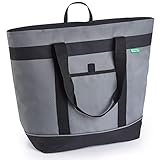
For the best results, consider investing in a high-quality insulated cooler like this one to keep your dry ice lasting longer.
3. Ventilate the Cooler.
- What to do: Do NOT seal the cooler completely. Dry ice sublimates (turns directly into gas). You need that gas to escape. Leave the lid slightly ajar or use a vented lid if your cooler has one.
- What “good” looks like: You can hear a faint hiss or see a bit of fog escaping if you look closely.
- A common mistake and how to avoid it: Sealing it tight. This creates pressure and can cause the cooler to burst, or worse, create a dangerous gas buildup in your vehicle.
4. Handle with Gloves.
- What to do: Always use thick, insulated gloves or tongs when handling dry ice.
- What “good” looks like: Your hands are protected from the extreme cold.
- A common mistake and how to avoid it: Touching it with bare skin. You can get frostbite, and it happens fast. I learned this the hard way trying to grab a piece with my bare hand once. Not fun.
To safely handle dry ice and prevent frostbite, always use a pair of dry ice tongs or thick, insulated gloves.

5. Pack the Cooler.
- What to do: Place the dry ice at the bottom or sides of the cooler. If you have items you want to keep frozen, place them on top.
- What “good” looks like: The dry ice is positioned to maximize cooling efficiency for your contents.
- A common mistake and how to avoid it: Packing it loosely or mixed with items you don’t want frozen solid. This leads to uneven cooling and potential damage to your food.
6. Transport in a Ventilated Vehicle.
- What to do: Keep the dry ice in your vehicle’s trunk or cargo area, and crack a window or two. Never transport it in a sealed passenger cabin.
- What “good” looks like: You can feel a slight draft of fresh air in the vehicle.
- A common mistake and how to avoid it: Putting it in the sealed passenger compartment. The CO2 gas can displace oxygen, leading to dizziness, suffocation, or worse.
7. Monitor and Replenish.
- What to do: Check the dry ice periodically. Add more if needed, following the same safety precautions.
- What “good” looks like: Your contents remain at the desired temperature throughout your trip.
- A common mistake and how to avoid it: Assuming it will last forever. Dry ice sublimates; plan for it to disappear.
8. Dispose of Leftover Dry Ice Safely.
- What to do: Let any remaining dry ice sublimate completely in a well-ventilated outdoor area, away from people and pets.
- What “good” looks like: No solid dry ice remains.
- A common mistake and how to avoid it: Throwing it in the trash or down a drain. It can damage plumbing or create a hazard in garbage collection.
Common mistakes (and what happens if you ignore them)
| Mistake | What it causes | Fix |
|---|---|---|
| Sealing the cooler tightly | Pressure buildup, potential cooler rupture, dangerous CO2 gas accumulation | Always leave the cooler lid slightly ajar or use a vented lid. |
| Handling with bare hands | Severe frostbite, skin damage | Always wear thick, insulated gloves or use tongs. |
| Transporting in a sealed vehicle cabin | CO2 gas buildup, oxygen displacement, dizziness, suffocation, loss of consciousness | Transport in the trunk or cargo area with windows cracked open for ventilation. |
| Using a non-insulated cooler | Rapid sublimation, contents not staying cold, wasted dry ice | Use a heavy-duty, insulated cooler with thick walls. |
| Not planning for sublimation | Running out of dry ice too soon, food spoilage | Estimate usage based on trip length and cooler size; have a backup plan for cooling. |
| Improper disposal of leftover ice | Plumbing damage, fire hazard in trash, CO2 buildup in enclosed spaces | Allow it to sublimate completely in a well-ventilated outdoor area. |
| Eating or ingesting dry ice | Severe internal frostbite, tissue damage, choking hazard | Never consume dry ice. It’s for cooling only. |
| Storing in an airtight container | Same as sealing the cooler tightly – dangerous pressure and gas buildup | Always store in a container that allows for gas escape. |
| Forgetting about ventilation in camp | CO2 buildup in tents or enclosed camp structures, potential suffocation | Ensure your tent or shelter is well-ventilated if dry ice is stored nearby. |
| Using it near open flames | Can cause a sudden, rapid sublimation and potential flare-up of flames | Keep dry ice away from open flames, heaters, or any ignition sources. |
Decision rules (simple if/then)
- If you’re transporting dry ice in your car, then crack a window because the CO2 gas needs to escape.
- If you plan to handle dry ice, then wear gloves because bare skin can get frostbitten instantly.
- If you’re going on a multi-day trip, then bring extra dry ice or a backup cooling method because it sublimates over time.
- If you have a small, uninsulated cooler, then don’t buy much dry ice because it will melt way too fast.
- If you’re camping in a tent, then ensure good ventilation if dry ice is stored inside because CO2 can build up.
- If you’re unsure about the quantity needed, then ask the supplier for advice because they know their product.
- If you see fog coming from your cooler, then that’s normal, but if you hear a loud hissing or bulging, then check the ventilation immediately because pressure is building.
- If you plan to keep food frozen solid, then pack it directly on top of the dry ice.
- If you need to transport dry ice for more than a day, then consider a chest freezer-style cooler because they offer the best insulation.
- If you have kids or pets in the vehicle, then ensure the dry ice cooler is secured and out of their reach because ingestion or direct contact is dangerous.
- If you’re disposing of leftover dry ice, then do it outside because it needs to sublimate into the open air.
If you need to transport dry ice for more than a day, then consider a chest freezer-style insulated cooler because they offer the best insulation.
FAQ
How long does dry ice last in a cooler?
It depends on the cooler’s insulation and the amount of dry ice. A good cooler can keep dry ice for 1-3 days, but it will sublimate faster in warmer temperatures or if the cooler is opened frequently.
Can I put dry ice directly on food?
No, you should not. Dry ice can freeze food solid and damage packaging. It’s best to place a layer of cardboard or insulation between the dry ice and your food, or place food on top of the dry ice.
What happens if I inhale too much CO2 from dry ice?
Inhaling too much carbon dioxide can lead to dizziness, headaches, rapid breathing, and in severe cases, suffocation and loss of consciousness. This is why ventilation is critical.
Is dry ice dangerous to touch?
Yes, dry ice is extremely cold (-109.3°F or -78.5°C) and can cause severe frostbite on contact with skin. Always use insulated gloves or tongs.
Always use insulated gloves or dry ice tongs when handling dry ice to protect your skin from its extreme cold.
Can I put dry ice in my car’s trunk?
Yes, but only if the trunk is well-ventilated. Never put it in a sealed passenger cabin. Cracking windows is essential for safety.
What should I do if I have leftover dry ice?
Allow it to sublimate completely in a well-ventilated outdoor area. Do not store it in a sealed container or dispose of it in drains or trash cans.
Can dry ice make drinks colder?
Yes, it can, but use caution. It will super-chill beverages rapidly. Ensure it sublimates completely before drinking, as ingesting dry ice is dangerous.
What’s the difference between dry ice and regular ice?
Regular ice is frozen water. Dry ice is solid carbon dioxide. It’s much colder and sublimates directly into gas, leaving no liquid residue.
What this page does NOT cover (and where to go next)
- Specific vendor locations for purchasing dry ice.
- Detailed chemical reactions of sublimation.
- Advanced insulation techniques for custom coolers.
- Using dry ice for science experiments (that’s a whole different ballgame).
- Long-term food preservation methods beyond basic cooling.

Camping Bob has spent over 20 years camping across the US — from BLM dispersed sites in the Southwest to KOA campgrounds in the Pacific Northwest. He writes practical, no-nonsense guides to help fellow campers get outdoors with confidence.