
The Downsides of Cooking Over an Open Fire
Quick answer
- Open fires are tough to control for cooking.
- You can burn your food easily.
- It’s a pain to manage coals and heat.
- Cleanup is a chore.
- Fire restrictions often ban them.
- It can damage the campsite.
- Better cooking methods exist.
What to check first (do this before you drive out)
Before you even think about packing the s’mores ingredients, get a lay of the land.
- Land manager / legality: Who’s in charge here? Is it the Forest Service, BLM, a state park, or private land? Each has its own set of rules. Some places are totally off-limits for fires, especially during dry seasons. Always check the official website or call the ranger district. Don’t assume.
- Access/road conditions: Can your rig actually get there? Some spots are paved all the way. Others are rough dirt tracks that need high clearance or 4WD. A little rain can turn a dirt road into a mud pit. Know your vehicle’s limits and the road’s reputation.
- Fire restrictions + weather + wind: This is huge. Fire bans are common and serious. Check for current restrictions right before you leave. Also, look at the weather forecast. High winds and dry conditions are a recipe for disaster. If it’s windy, seriously reconsider the fire.
- Water plan + waste plan (Leave No Trace): You need water to put out a fire, period. Bring extra, don’t rely on finding it. And what about trash? Pack it all out. Don’t bury it. Leave the campsite cleaner than you found it. That’s the golden rule.
- Safety (wildlife, distance to help, comms): Be aware of your surroundings. Know what wildlife is common and how to store food properly. How far is the nearest town or ranger station? Do you have cell service? Consider a satellite communicator if you’re going remote. Better safe than sorry.
Step-by-step (field workflow)
Alright, you’ve checked the boxes. You’re at the site and ready to try the open fire cook. Here’s how to make it less of a disaster.
1. Assess the designated fire ring:
- What to do: Find the established fire pit. If there isn’t one, you might be out of luck or need to use a portable stove.
- What “good” looks like: A sturdy, contained ring made of stone or metal, clear of overhanging branches.
- Common mistake: Using a spot with dry leaves or grass right next to it.
- How to avoid it: Clear a wide radius around the pit, at least 10 feet, of all flammable material.
2. Gather appropriate fuel:
- What to do: Collect only dead and downed wood. Small twigs for kindling, slightly larger pieces for fuel.
- What “good” looks like: A mix of dry, small, medium, and larger pieces. No green wood.
- Common mistake: Burning trash or wet wood.
- How to avoid it: Be patient. Dry wood burns better and cleaner. Trash just creates nasty smoke and doesn’t burn well.
3. Build a manageable fire:
- What to do: Start with kindling, build a small teepee or log cabin structure, and light it. Gradually add larger pieces as it catches.
- What “good” looks like: A steady flame, not a raging inferno.
- Common mistake: Throwing on too much wood too fast.
- How to avoid it: Feed the fire slowly. Let it establish before adding more fuel.
4. Wait for coals:
- What to do: Let the fire burn down to a bed of glowing coals. This is where the cooking magic (or disaster) happens.
- What “good” looks like: A bed of red-hot, consistent coals.
- Common mistake: Trying to cook over roaring flames.
- How to avoid it: Flames are for heat, coals are for cooking. Patience is key.
5. Position your food:
- What to do: Place your cooking grate over the coals, or directly place food in foil or heat-safe containers. Adjust height for heat control.
- What “good” looks like: Food is a safe distance from direct heat, allowing for even cooking.
- Common mistake: Placing food too close to the coals.
- How to avoid it: Use a grate or rocks to elevate your food. You can also bank coals to create hotter or cooler zones.
To make cooking over coals more manageable, a good campfire cookware set can make a huge difference. Look for durable pieces designed for open flame use.

6. Cook and monitor constantly:
- What to do: Keep a close eye on your food. Flip, rotate, and adjust position as needed.
- What “good” looks like: Food cooking evenly, not burning.
- Common mistake: Walking away and letting it burn.
- How to avoid it: Stay put. Open fire cooking demands your attention.
7. Manage the heat:
- What to do: Add small pieces of wood or more coals to maintain heat. Move coals around to create hot/cool spots.
- What “good” looks like: Consistent, controllable heat.
- Common mistake: Letting the fire die down too much or getting too hot.
- How to avoid it: Have extra fuel ready. Learn to spread coals for less heat, pile them for more.
8. Clean as you go:
- What to do: Scrape any burnt bits off your grate or food.
- What “good” looks like: Minimal mess on your cooking gear.
- Common mistake: Letting food gunk up your grate.
- How to avoid it: A quick scrape with a stick or brush while it’s still warm.
9. Extinguish completely:
- What to do: Douse the fire with plenty of water. Stir the ashes and embers with a shovel. Douse again. Repeat until everything is cool to the touch.
- What “good” looks like: No smoke, no heat, just cool grey ash.
- Common mistake: Thinking it’s out when it’s not.
- How to avoid it: Use lots of water and stir thoroughly. Feel the ashes with the back of your hand (carefully!) to ensure they’re cold.
10. Pack out all trash:
- What to do: Collect all food scraps, packaging, and any other waste.
- What “good” looks like: The fire pit area is clean, no evidence of your visit.
- Common mistake: Leaving food scraps for animals or burying trash.
- How to avoid it: Carry trash bags and pack it all out.
Common mistakes (and what happens if you ignore them)
| Mistake | What it causes | Fix |
|---|---|---|
| Cooking over roaring flames | Burnt food, uneven cooking, flare-ups | Wait for coals, use a grate, manage fuel load. |
| Not clearing enough space | Wildfire, damage to vegetation | Clear a 10-foot radius around the fire pit. |
| Using wet or green wood | Smoky fire, poor heat, lots of sputtering | Gather only dry, dead, and downed wood. |
| Not having enough water to extinguish | Fire reignites, wildfire | Bring ample water specifically for fire extinguishing. |
| Leaving food scraps or trash | Attracts wildlife, habituates animals, pollutes site | Pack out everything you pack in. |
| Not monitoring food closely | Burnt meals, wasted food | Stay present, flip and rotate food regularly. |
| Trying to cook too much at once | Overcrowded cooking surface, uneven cooking | Cook in batches, manage your cooking space. |
| Ignoring fire restrictions | Fines, jail time, wildfire, destruction | Check restrictions <em>before</em> you leave home and at the campsite. |
| Not having a backup cooking method | No dinner if fire is impossible or fails | Bring a camp stove as a reliable alternative. |
| Burying ashes or embers | Fire can reignite, leaves evidence of fire | Douse, stir, and ensure ashes are cold before leaving them in the pit. |
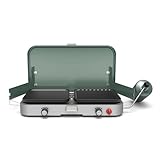
If you’re looking for a reliable alternative, consider bringing a portable camping stove. It offers consistent heat and is much easier to control than an open fire.
Decision rules (simple if/then)
- If fire restrictions are in place, then do not build an open fire because it’s illegal and dangerous.
- If it’s windy (sustained wind over 10-15 mph), then reconsider the open fire because sparks can travel easily.
- If you don’t have a designated fire ring, then do not build a fire because it damages the land.
- If you have less than 5 gallons of water readily available, then do not start a fire because you need enough to extinguish it safely.
- If your vehicle cannot safely access the campsite, then don’t go to that campsite because you might get stuck.
- If you are unsure about land ownership or rules, then contact the land manager before your trip because ignorance isn’t a defense.
- If you are cooking delicate items like fish or eggs, then use a camp stove because open fires are too unpredictable.
- If the ground is very dry and covered in dead grass, then be extra cautious with your fire because it’s a high-risk environment.
- If you see sparks or embers escaping the fire ring, then immediately extinguish them because they can start unintended fires.
- If you are cooking for a group larger than 4, then plan for multiple batches or a more efficient cooking method because an open fire can get chaotic.
- If you are in a designated wilderness area, then check specific regulations as fires are often prohibited or highly restricted.
For delicate items or when fire restrictions are in place, a portable camping stove is an indispensable tool. It provides precise temperature control, ensuring your meals turn out perfectly.
FAQ
Is it really that hard to cook over an open fire?
Yeah, it can be. Getting the right heat from coals, keeping it steady, and avoiding burning your food takes practice and constant attention. It’s less forgiving than a stove.
What’s the biggest danger of cooking over an open fire?
Wildfire. A single ember can ignite dry vegetation, and things can get out of control fast. Always respect fire restrictions.
Can I just use a portable grill over the fire?
Often, yes. A portable grill can make cooking over coals much easier and more controlled than direct methods. Just make sure it’s stable.
What if I want to make campfire stew?
Campfire stews can be great, but they still need a consistent heat source. Dutch ovens placed on or near coals work best. You’ll still need to manage the fire.
How do I know if the fire is completely out?
Feel the ashes and embers with the back of your hand. If it’s too hot to touch, it’s not out. Douse, stir, and repeat until cool.
What’s the deal with “Leave No Trace” and campfires?
It means minimizing your impact. Use existing fire rings, burn only dead and downed wood, and pack out all trash. Minimize the fire’s footprint.
Are there any benefits to cooking over an open fire?
Sure, there’s a primal satisfaction to it, and some foods just taste better cooked over wood smoke. But those benefits come with significant drawbacks and risks.
What if I don’t have a camp stove?
You’ll need to rely on your open fire skills, or perhaps plan meals that don’t require cooking, like sandwiches or pre-made salads. Always have a backup plan.
What this page does NOT cover (and where to go next)
- Detailed recipes for campfire cooking (look for dedicated campfire cookbooks).
- Specific instructions for building different types of fire lays (research fire-building techniques).
- Identification of edible versus poisonous plants (consult local foraging guides or experts).
- Advanced fire-starting techniques without matches or lighters (explore wilderness survival skills).
- Regulations for specific national parks or forest service districts (visit their official websites).