
Duration of Gel Ice Pack Effectiveness
Quick answer
- Gel ice packs typically last 12-24 hours when kept in an insulated cooler.
- Effectiveness depends on ambient temperature, cooler quality, and pack size.
- Pre-chilling the cooler and packs is crucial for maximum duration.
- Smaller packs and thinner coolers will lose their chill faster.
- Recharge by freezing; duration resets with each freeze cycle.
- For extended trips, consider block ice or dry ice (with safety precautions).
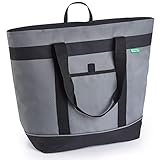
For optimal performance, consider investing in a high-quality insulated cooler to maximize the duration of your gel ice packs.
What to check first (do this before you drive out)
Before you pack that cooler and head out, give these a quick once-over. It’s about making sure your grub stays cold and your weekend doesn’t go sideways.
- Land manager / legality: Who’s in charge of where you’re going? Is it National Forest land, BLM, a State Park? Each has its own set of rules. Some spots might have camping limits or specific fire regulations. Always check the official website for the agency managing the area. It’s usually pretty straightforward, but a quick look saves headaches.
- Access/road conditions: Can your rig actually get there? Is it a paved road, or are we talking washboard dirt and potential mud? If you’re rolling in a sedan, a 4×4 trail is a no-go. Know your vehicle’s limits and check recent reports if possible, especially after rain or snow. A little clearance goes a long way.
- Fire restrictions + weather + wind: This is a big one. Wildfire risk is no joke. Check current fire restrictions – often, campfires are banned even if it’s not actively burning. Also, look at the weather forecast. Extreme heat or strong winds can wreck your ice pack’s performance and make your trip miserable.
- Water plan + waste plan (Leave No Trace): Do you have enough potable water for drinking, cooking, and cleaning? Don’t assume you can just fill up at the campsite. And what about trash? Pack it in, pack it out. This is fundamental LNT. Plan how you’ll manage your waste, including greywater, so you leave the place better than you found it.
- Safety (wildlife, distance to help, comms): What kind of critters are in the area? Know how to store food properly to avoid unwanted visitors. How far is the nearest ranger station or town? And critically, will you have cell service? A satellite communicator is a solid investment for remote trips. Better safe than sorry.
Step-by-step (field workflow)
Here’s how to get your ice packs working hard for you, from prep to the trail.
1. Acquire quality gel packs: Get a few decent-sized gel ice packs. The thicker, the better.
- Good: Packs feel solid and substantial.
- Mistake: Grabbing those flimsy, thin ones that feel like they’ll melt in an hour. Stick with reputable brands.
2. Freeze packs solid: Place your gel packs in the freezer until they are completely frozen through. This takes time.
- Good: Packs are rock-hard. You can’t bend them at all.
- Mistake: Pulling them out too early. If there’s any give, they won’t last as long. Give them a full 24 hours if you can.
3. Pre-chill your cooler: Place your cooler inside a cool room or garage for several hours, or even overnight.
- Good: The cooler’s interior feels noticeably cool to the touch.
- Mistake: Loading warm packs into a warm cooler. You’re starting at a disadvantage.
To get the most out of your gel ice packs, always pre-chill your insulated cooler before packing.
4. Pack the cooler strategically: Place frozen packs on the bottom and sides of the cooler.
- Good: The entire inner surface of the cooler is lined with ice.
- Mistake: Just tossing a couple of packs in the middle. You want maximum surface contact.
5. Layer food and drinks: Pack food items tightly. Place items you’ll need last at the bottom.
- Good: Minimal air pockets inside the cooler. Everything is snug.
- Mistake: Leaving lots of empty space. Air warms up faster than frozen goods.
6. Add more ice packs or block ice: Fill any remaining gaps with more frozen gel packs or block ice.
- Good: The cooler is packed full, with very little room for air.
- Mistake: Underpacking. More frozen mass means longer cooling.
7. Minimize opening the cooler: Keep the lid closed as much as possible. Open it only when necessary and close it quickly.
- Good: You only open the cooler a couple of times a day for specific items.
- Mistake: Constantly rummaging through the cooler for a drink or snack. Every opening lets warm air in.
8. Keep cooler in shade: Store the cooler out of direct sunlight and away from heat sources.
- Good: The cooler is under a tree, under a tarp, or inside your vehicle (if it’s not a solar oven).
- Mistake: Leaving the cooler sitting out in the blazing sun. It’s like putting a hot dog on the dashboard.
9. Monitor ice pack status: Periodically check how the ice packs are doing.
- Good: You can still feel significant cold radiating from the packs.
- Mistake: Not checking until everything is lukewarm. You need to know when to adjust.
10. Replenish if needed: If you have access to a freezer, refreeze any partially melted packs.
- Good: You swap out a soft pack for a refrozen one.
- Mistake: Assuming a partially melted pack will magically refreeze itself in the cooler.
Common mistakes (and what happens if you ignore them)
| Mistake | What it causes | Fix |
|---|---|---|
| Not pre-chilling the cooler | Shorter ice pack life, warmer food sooner. | Always pre-chill your cooler for several hours before packing. |
| Using small, thin gel packs | Rapid melting, less effective cooling. | Invest in larger, thicker gel packs or block ice for longer trips. |
| Leaving too much air space in the cooler | Air transfers heat quickly, reducing ice pack effectiveness. | Pack the cooler tightly with food, drinks, and additional ice. |
| Opening the cooler frequently | Constant influx of warm air melts ice packs faster. | Plan your needs, grab items quickly, and close the lid immediately. |
| Storing cooler in direct sunlight | Sun’s heat drastically accelerates ice melt. | Keep the cooler in the shade, under a blanket, or in a cool vehicle. |
| Packing warm food/drinks | Wastes ice pack energy warming up the contents. | Ensure all food and drinks are thoroughly chilled or frozen before packing. |
| Not checking ice pack condition | You won’t know when they’ve melted, leading to spoiled food. | Periodically feel the packs; if they’re soft, they’re done. |
| Relying solely on gel packs for long trips | Gel packs are great, but can struggle beyond 24-48 hours in tough conditions. | Supplement with block ice or dry ice (with proper ventilation and handling) for multi-day adventures. |
| Not freezing packs completely | Reduced cooling capacity from the start. | Ensure packs are rock solid before they go into the cooler. |
| Improper food storage inside cooler | Food can shift, exposing more surface area to air. | Pack food items snugly; consider using smaller containers for items you access often. |
Decision rules (simple if/then)
- If your trip is less than 12 hours, then standard gel packs should be fine because they typically last that long.
- If your trip is longer than 24 hours, then you should consider adding block ice or dry ice because gel packs alone might not last.
- If you are camping in extreme heat (90°F+), then you need to maximize your ice pack efficiency because heat melts ice faster.
- If your cooler is old and poorly insulated, then you need more ice packs than usual because it will lose cold faster.
- If you plan to open the cooler often, then you need to pack extra ice because each opening reduces cooling time.
- If you don’t have access to a freezer to refreeze packs, then you need to pack more initial ice than you think you’ll need.
- If you’re going to be near a ranger station or town, then a mid-trip ice pack refresh might be an option.
- If you are car camping with a plug-in cooler, then that’s a more reliable option than relying solely on gel packs.
- If you’re hiking in, then weight is a factor, so choose lighter, efficient gel packs and pack smart.
- If you see condensation forming on the outside of your cooler, then it’s likely losing its chill rapidly.
- If you are storing raw meat, then ensure it is well-sealed and at the bottom to prevent contamination if it thaws.
FAQ
How long does a typical gel ice pack stay frozen?
On average, a good quality gel ice pack will stay frozen for about 12 to 24 hours in a well-packed, insulated cooler. This duration can vary quite a bit, though.
The effectiveness of your gel ice packs is greatly enhanced by a good quality insulated cooler.
What factors affect how long gel ice packs last?
Several things matter: the size and quality of the pack, how well your cooler is insulated, the ambient temperature outside, how often you open the cooler, and how tightly packed it is.
Should I put ice packs directly on food?
It’s best to place them around the food, on the bottom and sides. This prevents direct contact that could freeze or damage some food items and ensures more even cooling.
Can I refreeze a gel ice pack that has melted?
Yes, absolutely. Once a gel pack has melted, you can refreeze it in your freezer. Its effectiveness resets with each freeze cycle.
Is block ice better than gel packs?
Block ice melts slower than multiple small gel packs because it has less surface area. For longer trips, a combination or just block ice is often more effective.
How can I make my gel ice packs last longer?
Pre-chill your cooler, pack it tightly with food and drinks, minimize openings, and keep it out of direct sunlight. These steps make a big difference.
What happens if my gel ice pack leaks?
Most gel packs contain a non-toxic, non-corrosive gel, but it can be sticky. If it leaks, clean it up thoroughly and discard the pack. Avoid contact with open wounds.
Are there alternatives to gel ice packs for camping?
Yes, you can use regular ice (though it melts and creates water), block ice, or dry ice. Dry ice is extremely cold but requires careful handling and ventilation.
What this page does NOT cover (and where to go next)
- Specific brand reviews or comparisons of gel ice packs. (Look for gear reviews online.)
- Detailed instructions on building custom insulated coolers. (Search for DIY cooler projects.)
- Recipes for food that lasts long without refrigeration. (Explore camping meal planning guides.)
- Advanced preservation techniques like vacuum sealing or curing. (Consult food safety resources.)
- Legal regulations for transporting dry ice. (Check government transportation guidelines.)