
Becoming a Campground Host: A Comprehensive Guide
Quick answer
- Volunteer your time and skills to manage a campground.
- Hosts often get a free campsite and sometimes a small stipend.
- It’s a great way to camp more and explore new places.
- You’ll interact with campers, do light maintenance, and be a resource.
- Responsibilities vary, so read the job description carefully.
- Reach out to land managers like the USFS, BLM, or state parks.
What to check first (do this before you drive out)
Before you even think about packing the car, do your homework. This isn’t just about finding a spot; it’s about understanding the gig.
- Land manager / legality: Who’s actually in charge here? Is it the US Forest Service, Bureau of Land Management, National Park Service, a state park system, or even a private concessionaire? Knowing this tells you where to look for official information and who to contact. It also clarifies the rules of engagement.
- Access/road conditions: Can your rig actually get there? Some host sites are right off paved roads. Others are deep in the backcountry. Check if you need 4WD, high clearance, or if the road is just a rough track. Mud, snow, and washouts can be real deal-breakers, especially in shoulder seasons.
- Fire restrictions + weather + wind: This is non-negotiable. Campgrounds live and die by fire rules. Know them. Check the forecast obsessively, not just for comfort but for safety. High winds can turn a pleasant evening into a hazardous one.
- Water plan + waste plan (Leave No Trace): How will you get water? Is there potable water at the site, or do you need to haul it? What’s the deal with trash and human waste? Most host spots are in developed campgrounds, so there are usually systems in place, but you need to know what they are and how to use them. Pack it in, pack it out is the mantra.
When planning your water strategy, consider a durable collapsible water container for easy transport and storage, especially if potable water isn’t directly at your site.

- Safety (wildlife, distance to help, comms): What kind of critters share this space? Bears, mountain lions, snakes – know what to do. How far is the nearest ranger station or hospital? Cell service can be spotty to non-existent. Have a plan for emergencies.
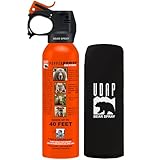
For areas with larger wildlife like bears, carrying bear spray is a crucial safety measure. Always be prepared and know how to use it effectively.
Step-by-step (field workflow)
So you’ve found a gig. Now what? Here’s how to roll into your host duties smoothly.
1. Confirm the details: You’ve applied, maybe interviewed. Now get the official offer and confirm your dates, duties, and compensation (even if it’s just a free spot).
- Good looks like: A clear understanding of what’s expected and when you need to show up.
- Common mistake: Assuming everything is settled after an initial chat. Always get it in writing.
2. Arrive and check in: Head to the designated campground or ranger station. Introduce yourself to the outgoing host or the ranger in charge.
- Good looks like: A friendly, professional introduction.
- Common mistake: Just showing up and setting up without announcing yourself. This can cause confusion.
3. Site orientation: Get a tour of your host site and the campground. Understand where utilities are, trash collection points, restrooms, and any specific host-only areas.
- Good looks like: Knowing the lay of the land, including the nitty-gritty.
- Common mistake: Not asking enough questions about the site’s quirks or maintenance needs.
4. Understand duties: Go over your specific responsibilities with the land manager or supervisor. This includes check-ins, collecting fees, light cleaning, trail maintenance, answering questions, and emergency procedures.
- Good looks like: A clear list of tasks and priorities.
- Common mistake: Overcommitting or misunderstanding the scope of work.
5. Meet the neighbors (outgoing host): If possible, spend some time with the current host. They’re your best source for practical tips, local lore, and camp-specific insights.
- Good looks like: An organized handover of information and keys.
- Common mistake: Rushing the handover or not listening to experienced advice.
6. Set up your camp: Get your RV or trailer situated. Make sure you have power, water, and a comfortable living space. Remember, you’re living here for a while.
- Good looks like: A functional and tidy living area.
- Common mistake: Cluttering the site or not setting up essential systems properly.
7. Familiarize yourself with the area: Drive or walk around the campground and nearby trails. Know where key facilities are and what attractions campers might ask about.
- Good looks like: Being able to point people in the right direction without hesitation.
- Common mistake: Not knowing the immediate surroundings, making you seem unprepared.
8. Establish your routine: Figure out the best times for check-ins, cleaning, and being available. Balance your duties with your own camping enjoyment.
- Good looks like: A predictable schedule that works for you and the campers.
- Common mistake: Letting duties completely consume your personal time or being unavailable when needed.
9. Be visible and approachable: Wear a vest or hat if provided. Spend time outside your rig. A friendly wave goes a long way.
- Good looks like: Campers feeling comfortable approaching you with questions.
- Common mistake: Staying cooped up inside, making you seem unapproachable.
10. Handle issues calmly: When problems arise (disputes, rule-breaking, emergencies), stay calm and follow your training. Contact the land manager if needed.
- Good looks like: De-escalating situations and following protocol.
- Common mistake: Getting overly involved, confrontational, or ignoring minor issues that could escalate.
11. Keep records: Maintain a log of visitors, issues, maintenance performed, and any supplies used. This is helpful for you and the land manager.
- Good looks like: A neat, organized logbook.
- Common mistake: Not keeping track of important details, leading to forgotten tasks or wasted resources.
12. Prepare for departure: As your term ends, clean your site thoroughly, organize any host supplies, and ensure a smooth handover to the next host or the land manager.
- Good looks like: Leaving the site better than you found it.
- Common mistake: Leaving a mess or not completing final tasks, impacting the next host.
Common mistakes (and what happens if you ignore them)
| Mistake | What it causes | Fix |
|---|---|---|
| Not reading the full job description | Misunderstanding expectations, taking on tasks you can’t do, or missing benefits. | Read every word. Ask clarifying questions before accepting. |
| Arriving unprepared | Delays, confusion, and a poor first impression. | Confirm dates, times, and arrival procedures. Pack necessary personal gear. |
| Ignoring fire restrictions | Fines, campground closure, wildfire, and personal liability. | Know the current restrictions and enforce them. Have a plan for educating campers. |
| Poor communication with land manager | Unresolved issues, lack of support, and potential termination of hosting. | Check in regularly. Report problems promptly. Be clear and concise in your communications. |
| Being unapproachable | Campers feel ignored, minor issues become major problems, and bad reviews. | Spend time outside your rig. Smile. Make eye contact. Be ready to answer questions. |
| Not knowing LNT principles | Environmental damage, negative camper experiences, and disrespect for nature. | Understand and practice Leave No Trace. Educate campers on proper waste disposal, campfires, and wildlife interaction. |
| Over-promising or under-delivering | Frustrated campers, stressed land managers, and damaged reputation. | Be honest about what you can and cannot do. If you don’t know, say so and find out. |
| Neglecting site maintenance | Unsanitary conditions, safety hazards, and a run-down appearance. | Stick to your cleaning and maintenance schedule. Report larger issues to the land manager immediately. |
| Mishandling camper disputes | Escalated conflicts, safety risks, and damage to campground reputation. | Remain neutral and calm. Follow established procedures. Involve the land manager or authorities if necessary. |
| Not having a backup plan | Stranded in emergencies, unable to perform duties, and personal hardship. | Have a plan for personal emergencies, vehicle breakdown, or illness. Know who to contact for help. |
| Failing to document issues | Problems get forgotten, resources are mismanaged, and accountability suffers. | Keep a logbook of all significant events, maintenance, and interactions. |
| Leaving your host site messy | Unpleasant conditions for the next host, environmental impact, and disrespect. | Clean your site thoroughly before departing. Pack out all personal trash and belongings. |
Decision rules (simple if/then)
- If a camper is asking for directions to a trailhead, then provide clear, concise directions and mention any notable landmarks or potential hazards because being helpful builds goodwill.
- If you see a campfire burning outside of a designated fire ring, then politely approach the camper and remind them of the fire restrictions because safety is paramount.
- If a camper has a question about local wildlife, then provide general safety information and advise them to consult official park literature or rangers because accurate information is crucial.
- If you notice a maintenance issue like a clogged toilet or damaged picnic table, then report it to the land manager immediately because prompt reporting prevents further damage.
- If a camper is violating campground rules (e.g., excessive noise, pets off-leash), then address it calmly and professionally, referring to the campground regulations because consistency is key.
- If you are unsure about how to handle a specific situation or dispute, then contact your land manager or supervisor for guidance because it’s better to ask than to make a mistake.
- If you observe a potential safety hazard (e.g., a falling tree limb, a slippery trail), then cordon off the area if possible and report it to the land manager because preventing accidents is a top priority.
- If a camper needs assistance with a minor issue like a flat tire on their RV, then offer basic advice or direct them to resources if available because being a good neighbor is part of the job.
- If you are feeling overwhelmed or unwell, then communicate this to your supervisor so that arrangements can be made because your well-being matters.
- If you are approached by someone who claims to be a “campground inspector” but you don’t recognize them, then verify their identity with the land manager because unauthorized individuals can be a security risk.
- If you are asked about sensitive topics like political issues or controversial local events, then remain neutral and steer the conversation back to campground-related matters because your role is to be an impartial resource.
- If you encounter a lost pet, then try to reunite it with its owner by checking tags or posting notices, and contact the land manager if necessary because responsible pet management is important.
FAQ
What are the typical duties of a campground host?
Duties often include greeting campers, collecting fees, answering questions, light cleaning of restrooms and common areas, trash pickup, and informing campers about rules and regulations. Some roles might involve minor trail maintenance or assisting with campground events.
Do campground hosts get paid?
Some positions offer a small stipend or reimbursement for expenses, but many are volunteer roles. The primary compensation is usually a free campsite, often with hookups, and the experience itself.
How do I find campground host opportunities?
Start by checking the websites of federal land management agencies like the US Forest Service (USFS), Bureau of Land Management (BLM), and National Park Service (NPS). State park systems and even some county or city parks also hire hosts. Volunteer coordinating sites are another good resource.
What kind of RV or trailer is needed?
This varies greatly. Some host sites are small and only accommodate vans or truck campers. Others are designed for larger RVs. Always check the site’s dimensions and hookup capabilities before applying.
What’s the time commitment like?
Hosting terms can range from a few weeks to several months, often covering peak camping seasons. You’ll typically be expected to be on-site and available during specific hours, with some flexibility for your personal time.
Is there training involved?
Yes, most agencies provide an orientation and training. This covers your specific duties, safety procedures, emergency protocols, and how to interact with the public and land management staff.
What if I have a personal emergency?
You’ll need to have a plan for this. Communicate with your land manager about your needs and have a backup person or arrangement in place if you need to leave your post unexpectedly.
Can I have guests visit me at my host site?
Generally, yes, but there might be limits on the number of guests and how long they can stay. Check the specific campground’s policies and discuss this with your supervisor.
What’s the best part about being a campground host?
Many hosts love the immersion in nature, the opportunity to meet diverse people from all walks of life, and the satisfaction of contributing to public lands. It’s a fantastic way to camp extensively while being part of a community.
What this page does NOT cover (and where to go next)
- Specific campground application processes and timelines (check agency websites).
- Detailed legal responsibilities and liabilities of hosts (consult land manager).
- Advanced wilderness first aid or emergency response training (seek certified courses).
- Detailed vehicle maintenance or RV repair (consult specialized resources).
- Specific wildlife encounter protocols for every species (refer to local wildlife agencies).

Camping Bob has spent over 20 years camping across the US — from BLM dispersed sites in the Southwest to KOA campgrounds in the Pacific Northwest. He writes practical, no-nonsense guides to help fellow campers get outdoors with confidence.