
Traveling Light: How to Fly With Your Camping Gear
Quick answer
- Pack smart. Think multi-use items.
- Check airline baggage rules before you book.
- Use a sturdy, soft-sided duffel or backpack.
- Stash essentials in your carry-on.
- Know what’s restricted (fuel, knives).
- Ship it if you can.
What to check first (do this before you drive out)
Before you even think about booking flights, get a handle on the basics. This saves headaches later.
- Land manager / legality: Who’s in charge of where you’re going? National Forests, BLM land, National Parks, state parks – they all have different rules. A quick look at their official websites will tell you what’s allowed, what’s not, and if you need permits. This is your first stop.
- Access/road conditions: Is that “road” to your campsite actually a road, or just a suggestion? If you’re flying into a hub and renting a car, know its limitations. Is it a sedan or an AWD beast? Does it have clearance for rough terrain? Don’t get stuck before you even start.
- Fire restrictions + weather + wind: This is non-negotiable. Wildfire season is real. Check local fire restrictions religiously. Then, check the weather forecast. High winds can make camping miserable, even dangerous. Pack accordingly.
- Water plan + waste plan (Leave No Trace): Where will you get water? Is it potable? Do you need a filter? And what about waste? Pack it in, pack it out. Always. This is the golden rule of the outdoors.
- Safety (wildlife, distance to help, comms): What critters share the space? Know what to do and how to store food. How far is the nearest town or ranger station? Cell service is often spotty. Have a plan for emergencies, even if it’s just letting someone know your itinerary.
Step-by-step (field workflow)
Alright, you’ve done your homework. Now, let’s get that gear on the plane.
1. Inventory your gear: Lay it all out. Seriously, everything.
- Good: You see exactly what you have and can spot redundancies.
- Mistake: Forgetting something crucial because it’s buried in a closet. Avoid this by doing a physical check.
2. Consolidate and downsize: Can your cooking pot double as a bowl? Can your jacket be your pillow?
- Good: You’ve cut down to the essentials, maximizing space and reducing weight.
- Mistake: Packing “just in case” items that never get used. Be ruthless.
3. Choose your main bag: A sturdy, soft-sided duffel or a large backpack is your best bet.
- Good: It’s durable, can be compressed, and fits airline size limits.
- Mistake: Using a hard-shell suitcase that’s awkward to carry and doesn’t conform.
For your main bag, consider a durable soft-sided duffel bag like this one, which can be compressed and easily fits airline size limits.

4. Pack the big stuff: Sleeping bag, tent, sleeping pad go into the main bag.
- Good: These bulky items are secured and distributed for balance.
- Mistake: Stuffing them in haphazardly, creating awkward lumps.
An inflatable sleeping pad is a great choice for saving space and weight, making it easier to pack alongside your sleeping bag and tent.

When packing your tent, opt for a lightweight backpacking tent to minimize bulk and weight in your main bag.
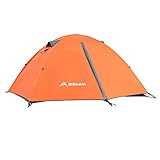
5. Fill in the gaps: Clothing, smaller gear, and food can fill the remaining space.
- Good: Every inch is used efficiently, protecting delicate items.
- Mistake: Leaving large empty pockets that allow items to shift and get damaged.
6. Secure liquids and sharp objects: Double-bag anything that could leak. Wrap knives carefully.
- Good: No messy surprises or security hassles.
- Mistake: Leaky sunscreen or a knife snagging on something.
7. Pack your carry-on strategically: Essentials like a headlamp, first-aid kit, water filter, and a change of clothes go here.
- Good: You’re prepared if your checked bag gets delayed.
- Mistake: Putting critical items in checked luggage.
8. Check airline restrictions: This is crucial. What are their size, weight, and prohibited item rules?
- Good: You avoid surprise fees or having items confiscated at the gate.
- Mistake: Assuming all airlines are the same. They’re not.
9. Deal with fuel: Most airlines ban stove fuel. You’ll likely buy it at your destination.
- Good: You’re compliant and safe.
- Mistake: Trying to pack fuel and having it taken away.
10. Consider shipping: If you have a lot of gear or a long trip, shipping it ahead to your destination can be a lifesaver.
- Good: Saves you carrying heavy bags through airports and potentially paying excess fees.
- Mistake: Not factoring in shipping time and costs.
Common mistakes (and what happens if you ignore them)
| Mistake | What it causes | Fix |
|---|---|---|
| Packing prohibited items (fuel, large knives) | Confiscation at security, flight delays, lost gear. | Check airline and TSA rules religiously. Buy fuel at your destination. |
| Exceeding weight limits | Extra fees, having to ditch gear, stress at the check-in counter. | Weigh your bags at home. Pack lighter or use a second bag if fees allow. |
| Using a rigid suitcase | Awkward to carry, doesn’t fit well in overhead bins or car trunks. | Opt for a sturdy duffel or backpack that can be compressed. |
| Not protecting liquids | Leaked toiletries soaking your gear, making a mess. | Use sealable bags (Ziplocs are your friend). Double-bag anything prone to leaking. |
| Forgetting essentials in checked bags | Stranded without a headlamp, first-aid, or critical repair items. | Pack a “go bag” carry-on with absolute must-haves. |
| Not checking airline baggage rules | Surprise fees, unexpected gate checks, or items being refused. | Visit the airline’s website <em>before</em> you book. They vary wildly. |
| Underestimating gear needs | Having to buy expensive replacements at your destination or going without. | Make a detailed packing list and double-check it against your actual gear. |
| Overpacking “just in case” items | Excess weight, wasted space, more to carry, and often, items never used. | Focus on multi-use gear. If you haven’t used it on 3 trips, it might be time to leave it behind. |
| Not securing sharp objects | Damaged gear, potential for injury when handling bags. | Wrap knives in cardboard and secure with tape, or place in a protective sheath. |
| Assuming all airports/security are the same | Unexpected delays or confusion if you encounter different procedures. | Be prepared for standard TSA checks, but know that specific airport rules can differ slightly. |
Decision rules (simple if/then)
- If your trip is short and involves significant travel time, then focus on ultra-light gear and multi-use items because you need to minimize baggage weight and bulk.
- If you’re flying into a major city, then plan to buy fuel canisters at your destination because airlines prohibit them.
- If you have a lot of specialized gear, then consider shipping it ahead because it can be cheaper and easier than hauling it through airports.
- If your camping location is remote, then ensure your carry-on includes a basic first-aid kit and a headlamp because you might not have immediate access to replacements.
- If you’re renting a car, then research its cargo space and ground clearance because you don’t want to arrive and find your gear won’t fit or you can’t reach your campsite.
- If you’re flying with a tent, then check the poles and fabric for damage before you pack it because a broken pole can render your shelter useless.
- If you’re flying with a sleeping bag, then consider vacuum-sealing it for travel if space is tight, but ensure you have a way to repack it at your destination because they can be tricky to stuff back in their sacks.
- If you plan on cooking, then research local regulations on camp stoves and fuel types because some areas have specific restrictions.
- If you’re traveling with a group, then coordinate gear to avoid duplication (e.g., one camp stove, one first-aid kit) because shared items save everyone space and hassle.
- If you have sensitive electronics, then pack them in your carry-on with padding because checked baggage can be rough.
- If your gear is particularly valuable or unique, then consider carrying it on if possible, or at least ensuring it’s well-protected in checked luggage.
FAQ
Q: Can I bring my camping stove on a plane?
A: Generally, no. Empty stoves might be allowed in checked baggage, but fuel canisters are prohibited. You’ll need to buy fuel at your destination.
Q: What about my pocket knife?
A: Most standard pocket knives are not allowed in carry-on luggage. They need to go in checked baggage, and even then, check airline and TSA rules for specific blade length restrictions.
Q: How do I pack a tent?
A: Fold or roll it as compactly as possible. Stuff it into its compression sack or a sturdy duffel bag. Ensure poles are secured and don’t poke through.
Q: What if my gear is too heavy for one bag?
A: You have a few options: use a second checked bag (check fees), ship some items ahead, or critically re-evaluate what you really need.
Q: Can I bring my water filter?
A: Yes, water filters are usually fine for both carry-on and checked luggage, as they don’t contain prohibited liquids or sharp blades.
Q: How do I handle food when flying?
A: Non-perishable, sealed food items are generally okay. Avoid anything with strong odors or that could leak. Plan to buy perishables at your destination.
Q: What if my airline loses my checked bag?
A: That’s why a well-stocked carry-on is essential. It should contain your absolute must-haves for the first 24-48 hours.
Q: Is it better to rent gear at my destination?
A: For some items (like large tents or sleeping bags on short trips), it might be. Compare rental costs to baggage fees and the hassle of packing.
What this page does NOT cover (and where to go next)
- Specific airline fees and policies (check their website).
- Detailed TSA prohibited item lists (visit the TSA website).
- How to pack for specific climates (e.g., arctic camping).
- In-depth gear reviews or recommendations.
- Detailed campsite booking procedures.